For homeowners and property developers, the garage door is often the single largest moving component of a building. It represents up to 40% of the frontal facade and significantly dictates the property's energy efficiency and security profile.
According to recent industry data, a garage door replacement consistently ranks in the top 3 home improvement projects for ROI (Return on Investment), often recouping over 90% of costs at resale. But before selecting a color or panel design, you face a structural fork in the road: Should you install one massive double door or two separate single doors?
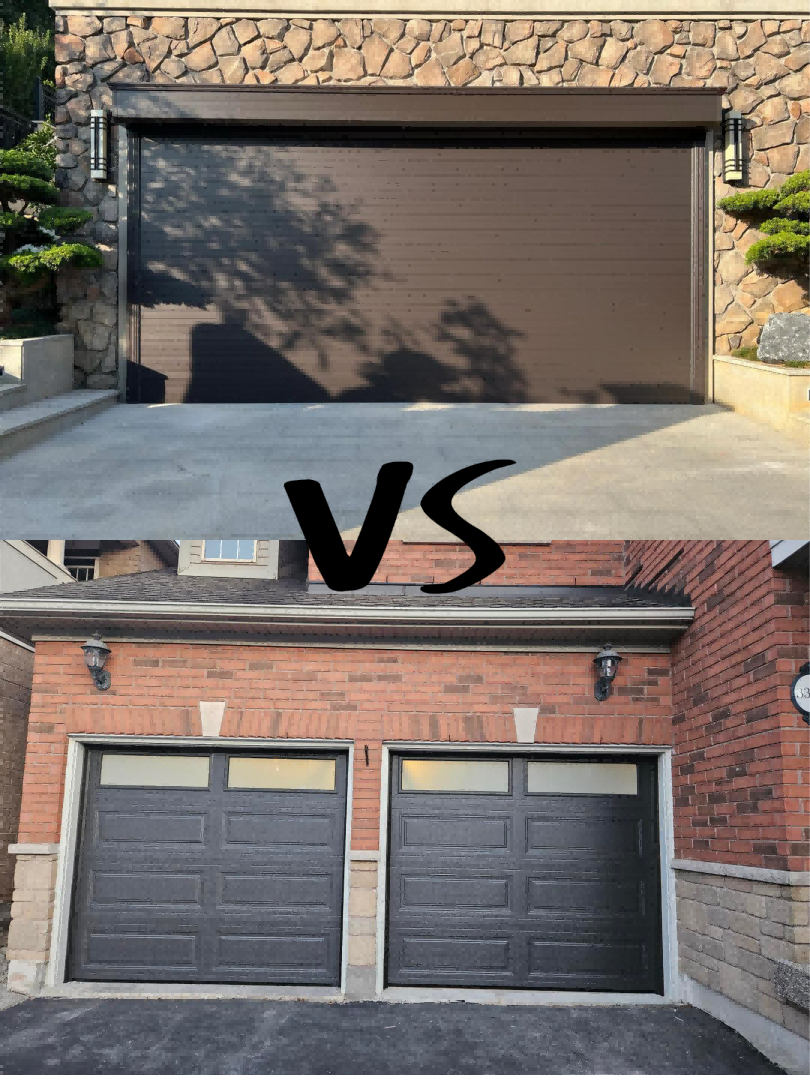
This guide analyzes the architectural, financial, and functional implications of this decision to help you make the right specification for your project.
The Core Debate: One Double Door (16ft) vs. Two Singles (8ft)
When designing or renovating a two-car garage, the configuration of the "Rough Opening" is critical.
Option A: The Single Double-Wide Door (Typically 16' x 7')
This is the standard for modern suburban builds.
- Cost Efficiency: Installing one large door is generally 15-20% cheaper than two smaller units. You only need one automatic opener, one electrical drop, and one set of tracks.
- Accessibility: A 16-foot span offers an unobstructed entry. This is ideal for maneuvering larger SUVs or wide trucks without worrying about scraping a center pillar.
- Visual Impact: It creates a unified, broad look that can make smaller homes appear wider.

Option B: Two Single Doors (Typically 8' x 7' or 9' x 7')
This configuration requires a structural center pillar (mullion) between the doors.
- Operational Redundancy: This is the biggest functional advantage. If one torsion spring snaps or one opener motor fails, you are not trapped; you can still exit via the second door.
- Climate Control: Opening a smaller 8-foot door releases significantly less conditioned air than opening a massive 16-foot gap. This is crucial for heated or cooled garages.
- Architectural Balance: Two doors break up the "visual mass" of the garage face. This setup is often preferred for Carriage House styles, offering a more custom, high-end aesthetic.
Need design inspiration? View our gallery of Double vs. Single Door Configurations to see real-world examples.

Material Selection: Balancing Durability and Aesthetics
Once the configuration is set, the material choice dictates the maintenance lifecycle.
1. Steel: The Industry Standard
Modern steel doors are engineered with multi-layer construction.
- Gauge Matters: Look for 24-gauge or 25-gauge steel. The lower the number, the thicker the steel.
- Pros: Low maintenance, high durability, and cost-effective.
- Cons: Can dent upon impact.

2. Composite & Fiberglass: The "Coastal" Solution
For homeowners in humid or coastal regions, steel rusts and wood rots.
- The Solution: Fiberglass skins molded with real wood grain textures. They are impervious to salt air and moisture, offering the look of wood without the sanding and staining requirements.

3. Real Wood: The Premium Choice
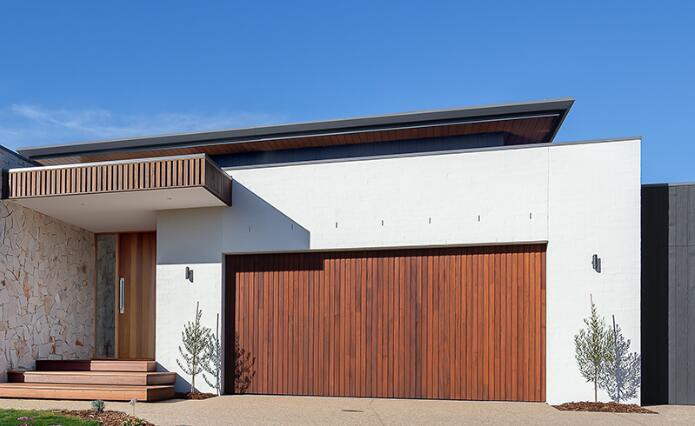
For custom architectural projects, nothing beats the weight and authenticity of Cedar, Redwood, or Hemlock.
- Note: These doors are heavy and require heavy-duty hardware. They also demand refinishing every 1–2 years depending on sun exposure.
- Browse Materials: Explore our Steel Garage Door Series and Custom Wood Collections.
Insulation Science: Polyurethane vs. Polystyrene
An insulated door does more than keep the garage warm; it adds structural rigidity.
- Polystyrene (Styrofoam): These are panels inserted between steel skins. They offer decent insulation (R-Value 6 to 9) and are budget-friendly.
- Polyurethane (Foam-in-Place): The foam is injected into the door cavity, bonding to the steel skins. This turns the door into a solid composite wall.
- Benefits: Higher R-Value (12 to 18+), quieter operation (less vibration), and superior dent resistance.
- Verdict: For any attached garage with a bedroom above, Polyurethane is the mandatory choice for noise and thermal control.
Hardware & Openers: The Muscle Behind the Door
A 16x7 insulated steel door can weigh over 300 pounds. The opener is not just a convenience; it is a safety device.
Horsepower & Drive Systems
- Standard Power: A 1/2 HP motor is the minimum, but for double doors, we recommend 3/4 HP or 1.25 HP equivalent DC motors to reduce strain
Chain vs. Belt:
- Chain Drive: Reliable, industrial, but noisy. Best for detached garages.
- Belt Drive: Uses a steel-reinforced rubber belt. Whisper-quiet and ideal for attached homes.
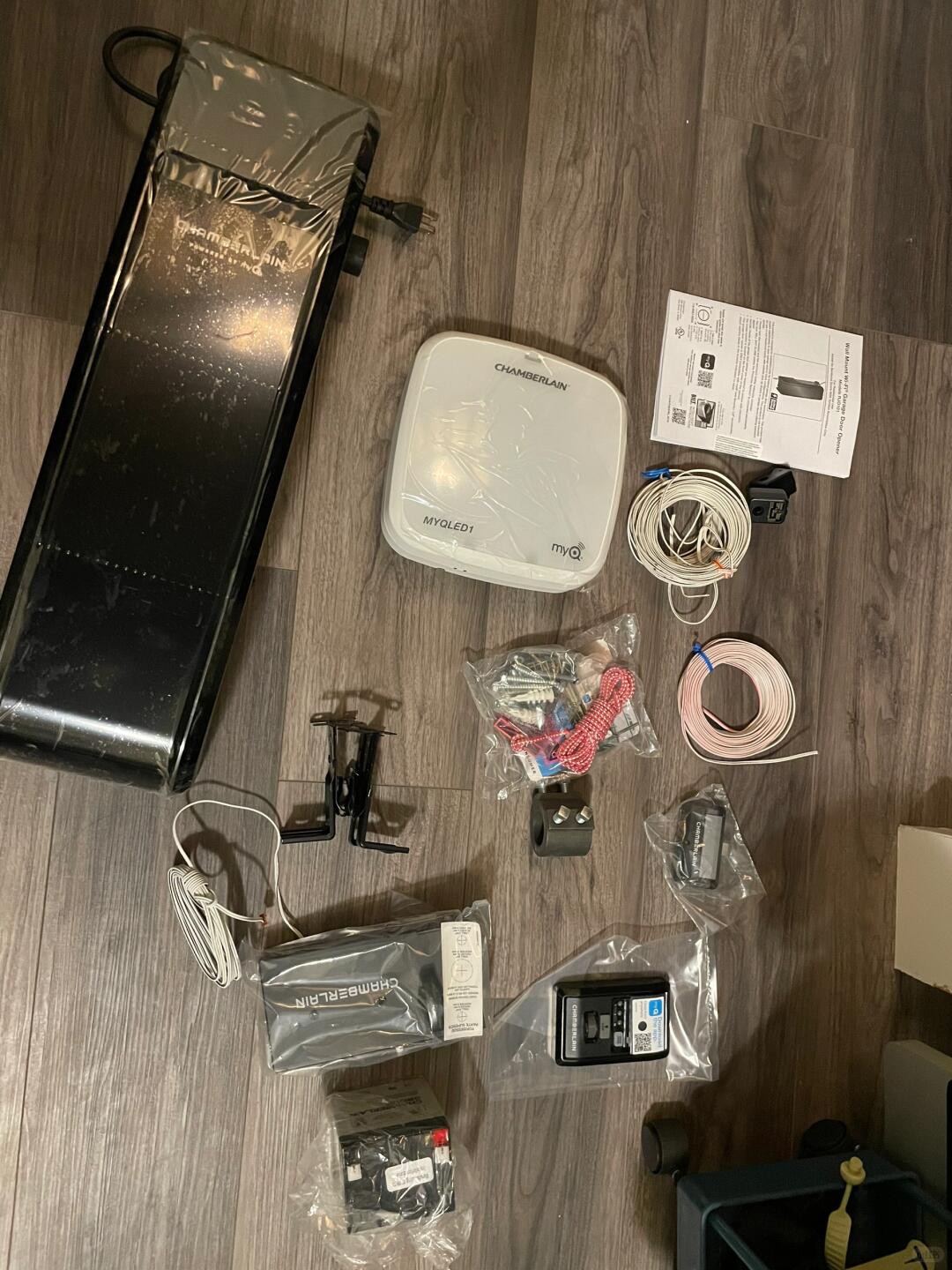
- Wall-Mount (Jackshaft) Openers: A growing trend for modern garages. These mount on the wall beside the door, freeing up ceiling space for storage or car lifts.

Cost Reality: What Goes into the Price?
When you receive a quote for a garage door installation, ensure it is comprehensive. A professional bid should include:
Removal & Disposal: Hauling away the old door and hardware.
Track & Spring Replacement: Never reuse old tracks or springs with a new door. The geometry must match perfectly.
Torsion Spring Cycle: Ask for "High Cycle" springs (20,000+ cycles) rather than builder-grade standard springs (10,000 cycles) for double the lifespan.
Safety Warning: Garage door springs are under extreme tension. Replacement is not a DIY task. Improper handling can result in severe injury or property damage.
FAQ
Q: What is the standard size for a two-car garage door?
A: The most common size in the US is 16 feet wide by 7 feet high. However, for taller vehicles or lifted trucks, an 8-foot height is becoming increasingly popular. Always measure the "Rough Opening" (stud to stud) before ordering.
Q: How much headroom do I need for a garage door?
A: Standard lift tracks typically require 12 to 15 inches of clearance between the top of the door opening and the ceiling. If you have low ceilings, "Low Headroom" hardware kits are available. If you have high ceilings, "High Lift" tracks can keep the door closer to the ceiling to maximize vertical space.
Q: Is a glass garage door secure?
A: Yes. Modern aluminum and glass garage doors use tempered safety glass (similar to car windows) or impact-resistant glazing. They offer privacy options like frosted or mirrored glass while allowing natural light to flood the space.
Q: Why is my double garage door bowing in the middle when open?
A: This usually indicates a lack of proper strut reinforcement. Wide doors (16ft+) require horizontal steel struts on the interior to prevent sagging when the door is in the "up" position. It could also mean the door is uninsulated and lacks structural rigidity.
Final Thoughts
Whether you choose the grandeur of a single 16-foot carriage door or the symmetry of two 8-foot bays, remember that this is a long-term investment. Prioritize insulation (Polyurethane) for durability and professional installation for safety.
Ready to upgrade your curb appeal? Contact our Installation Team today for a free site measure and quote.