


Thermal Break Aluminium Casement Windows | Low U-Value, Passivhaus-Ready | SGL

Thermal Break Aluminium Casement Windows | Low U-Value, Passivhaus-Ready | SGL suppliers

Thermal Break Aluminium Casement Windows | Low U-Value, Passivhaus-Ready | SGL factory

Thermal Break Aluminium Casement Windows | Low U-Value, Passivhaus-Ready | SGL best

Thermal Break Aluminium Casement Windows | Low U-Value, Passivhaus-Ready | SGL high quality
Thermal Break Aluminium Casement Windows | Low U-Value, Passivhaus-Ready | SGL
Shaanxi SGL Doors&Windows Technology Co., Ltd. is one of the most reliable manufacturers and suppliers of thermal break aluminium casement windows | low u-value, passivhaus-ready | sgl in China, also supports customized service. Please feel free to wholesale high quality thermal break aluminium casement windows | low u-value, passivhaus-ready | sgl for sale here from our factory. If you have any enquiry about pricelist and quotation, please feel free to email us.
Product Description
Why Thermal Break Matters
Without a thermal break, aluminium frames act as thermal bridges - conducting heat directly from the warm interior to the cold exterior in winter, and vice versa in summer. This raises energy bills, creates cold drafts near windows, and causes condensation that can lead to mould and frame corrosion.
SGL thermal break casement windows solve this by inserting a PA66 polyamide barrier reinforced with 25% glass fiber between the interior and exterior aluminium profiles. This barrier has a thermal conductivity roughly 1,000 times lower than aluminium, effectively disconnecting the two metal sections. The result: frame thermal transmittance drops to ≤ 1.8 W/m²K, and the internal frame surface stays warm enough to avoid condensation under normal indoor conditions.
Built for Compliance, Not Just Performance
Energy regulations are tightening globally. The UK's Part L requires new dwellings to achieve a maximum window U-value of 1.6 W/m²K. The EU Energy Performance of Buildings Directive (EPBD) mandates near-zero energy buildings by 2030. Australia's NCC Section J sets minimum thermal performance for commercial façades. SGL's thermal break casement windows are engineered to meet or exceed all of these standards - with certified test reports and UKCA documentation available for every project.
For Passivhaus and low-energy projects, our triple-glazed configuration with warm-edge spacers achieves U-values as low as 1.2 W/m²K - well within the Passivhaus component criteria. We supply Psi-values and thermal bridge calculations on request for PHPP energy modelling.
Key Features
PA66 + 25% Glass Fiber Thermal Break
Our thermal break strips are extruded from PA66 nylon reinforced with 25% glass fiber, rated for continuous operation from −40°C to +120°C. The C-shape and I-shape profiles are roll-formed and knurled for maximum bond strength with the aluminium cavity, ensuring structural integrity under wind load while maintaining thermal separation.
Triple Glazing + Warm-Edge Spacer
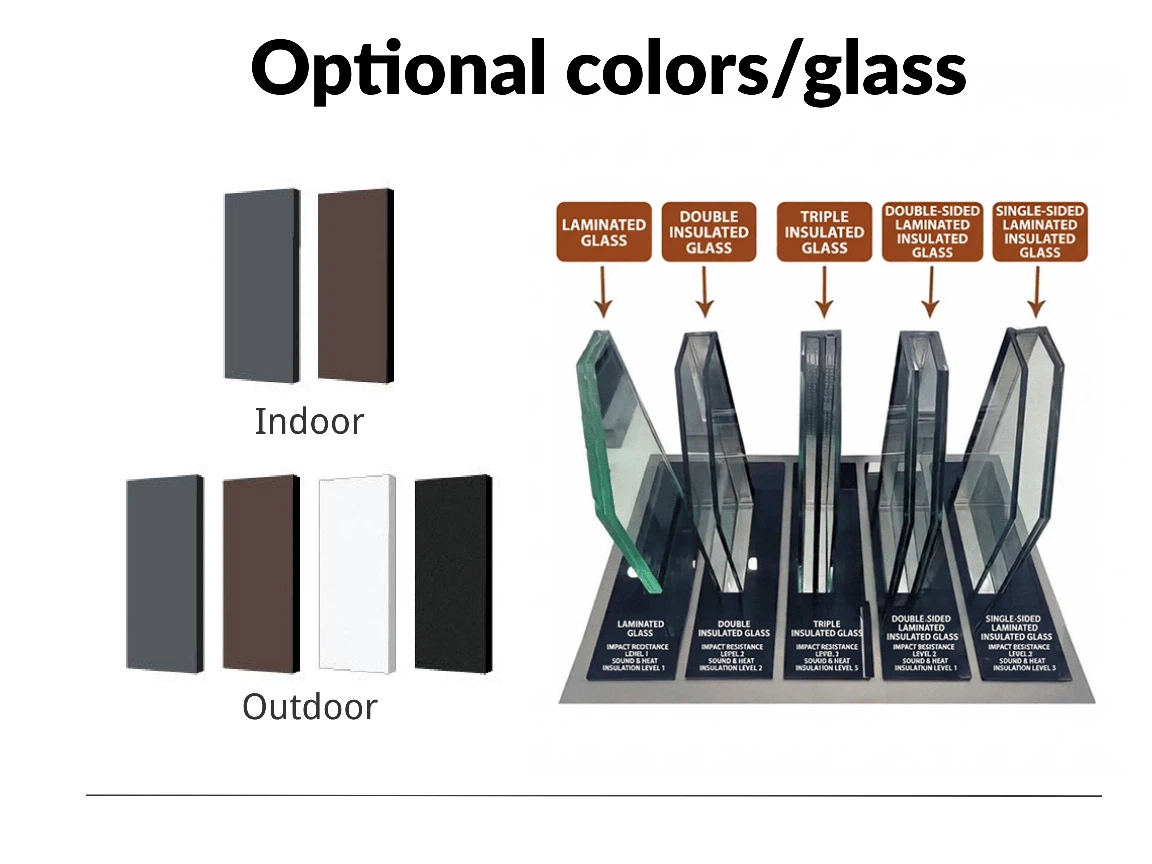
For ultra-low U-values, we pair thermal break frames with 5+12A+5+12A+5 triple glazing, Low-E coatings on surfaces #2 and #5, argon filling, and warm-edge spacers (Swisspacer or TGI). This combination achieves 1.2-1.4 W/m²K - suitable for Passivhaus-certified buildings in cold climates.
Condensation Risk Control
Condensation forms when a surface drops below the dew point. In a heated room at 20°C / 50% RH, the dew point is approximately 9.3°C. Our thermal break frames keep the internal aluminium surface at 12-15°C under −5°C outdoor conditions - well above the dew point. Non-thermal-break frames under the same conditions can drop to 2-4°C, causing persistent condensation.
Triple-Layer EPDM Compression Sealing
Three continuous EPDM gaskets compress against the sash when closed, eliminating air leakage around the frame perimeter. This works with the thermal break to reduce overall heat loss - airtightness is as critical as insulation in achieving low U-values. Tested to Class A (EN 12207) with air permeability below 0.5 m³/(m·h) at 100 Pa.
Low-E + Argon as Standard
All our thermal break windows include Low-E coated glass and argon gas filling as standard - not as an expensive upgrade. Low-E coatings reflect radiant heat back into the room, while argon's lower thermal conductivity (67% of air) reduces convective heat transfer across the cavity. This is why our double-glazed units outperform many competitors' triple-glazed offerings.
Full Documentation for Building Control
Every shipment includes CE-marked test reports (EN 14351-1), U-value certificates, air/water/wind load test results, and material safety data sheets. UKCA-marked documentation is available for GB projects. We also provide condensation risk assessments and Psi-value tables for thermal bridge modelling on request.
Suitable For
Thermal break casement windows are essential for projects where energy performance and condensation control are critical:
- Passivhaus & Low-Energy Buildings
- Cold Climate Housing (Nordic, Canada, Central Asia)
- Energy Retrofit Projects
- Social Housing (Compliance-Driven)
- Hotels & Care Homes
- Schools & Hospitals
- Commercial Facades (NCC Section J)
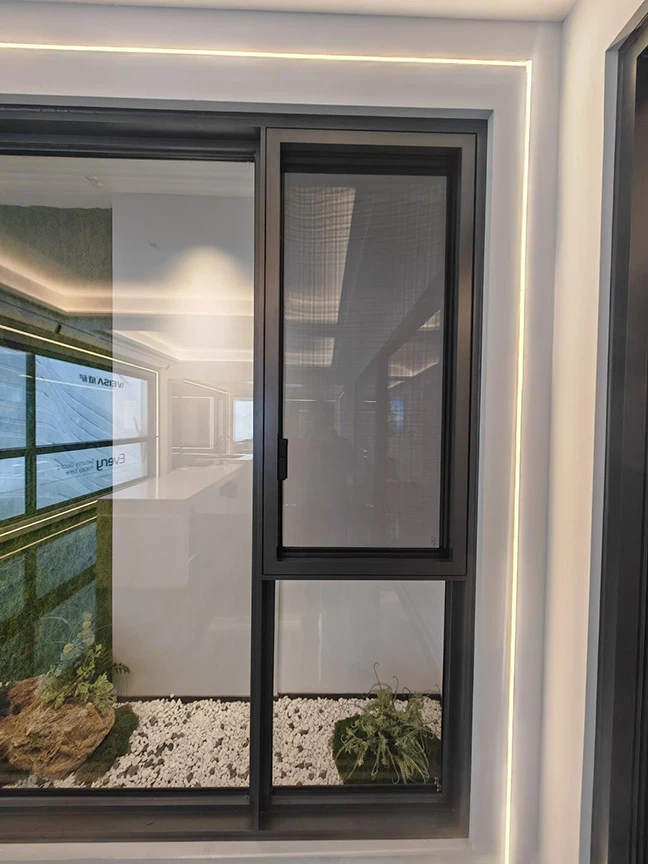
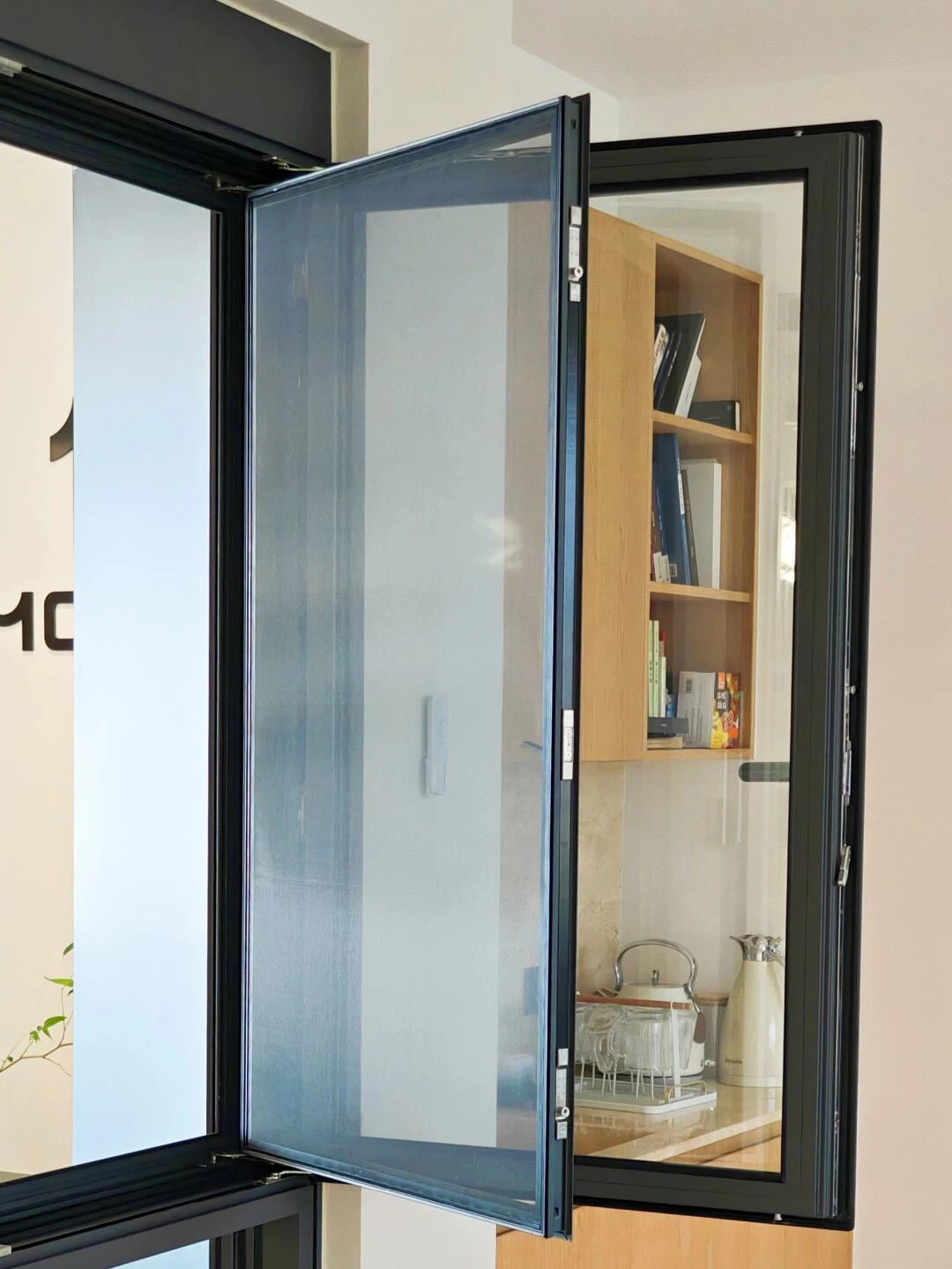
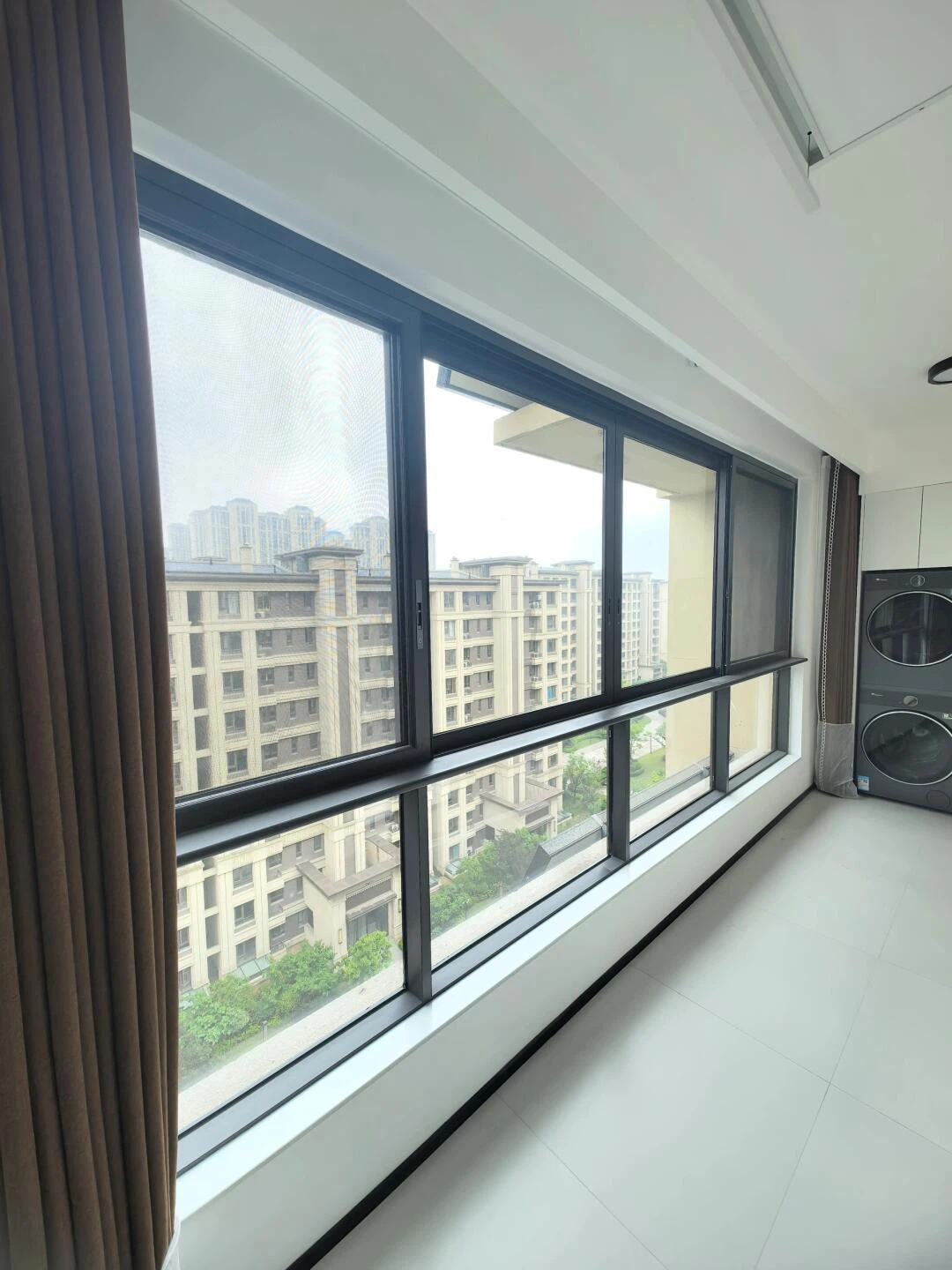
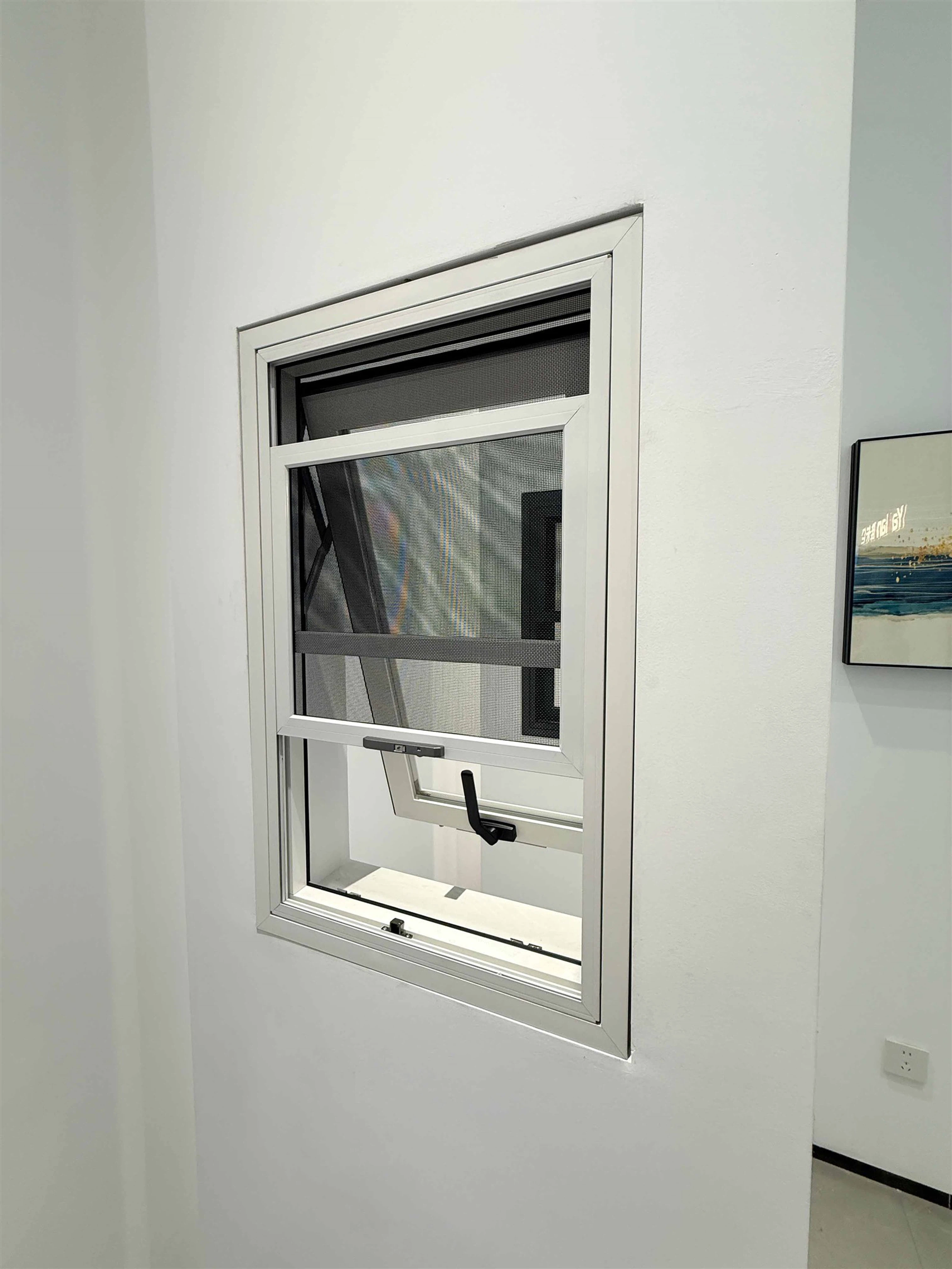
our aluminum window Application
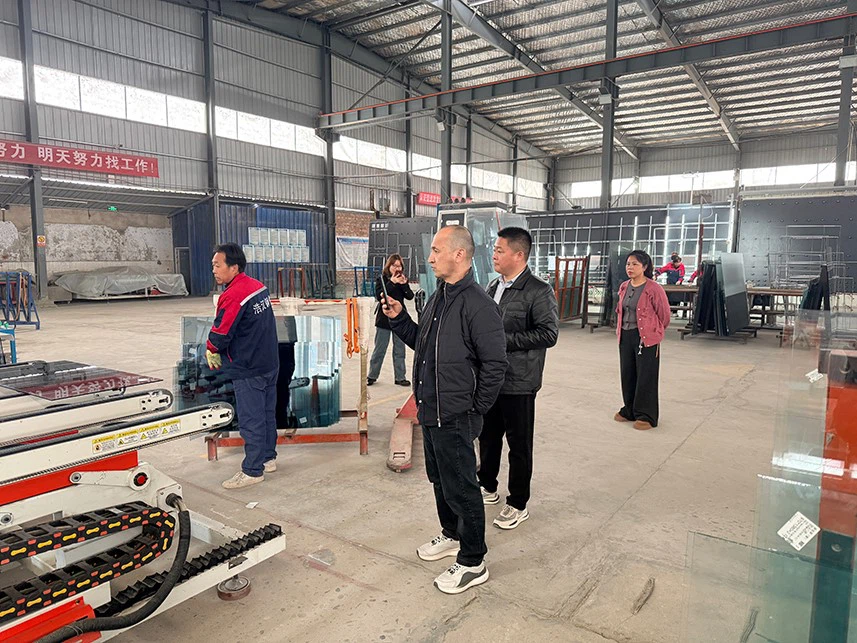
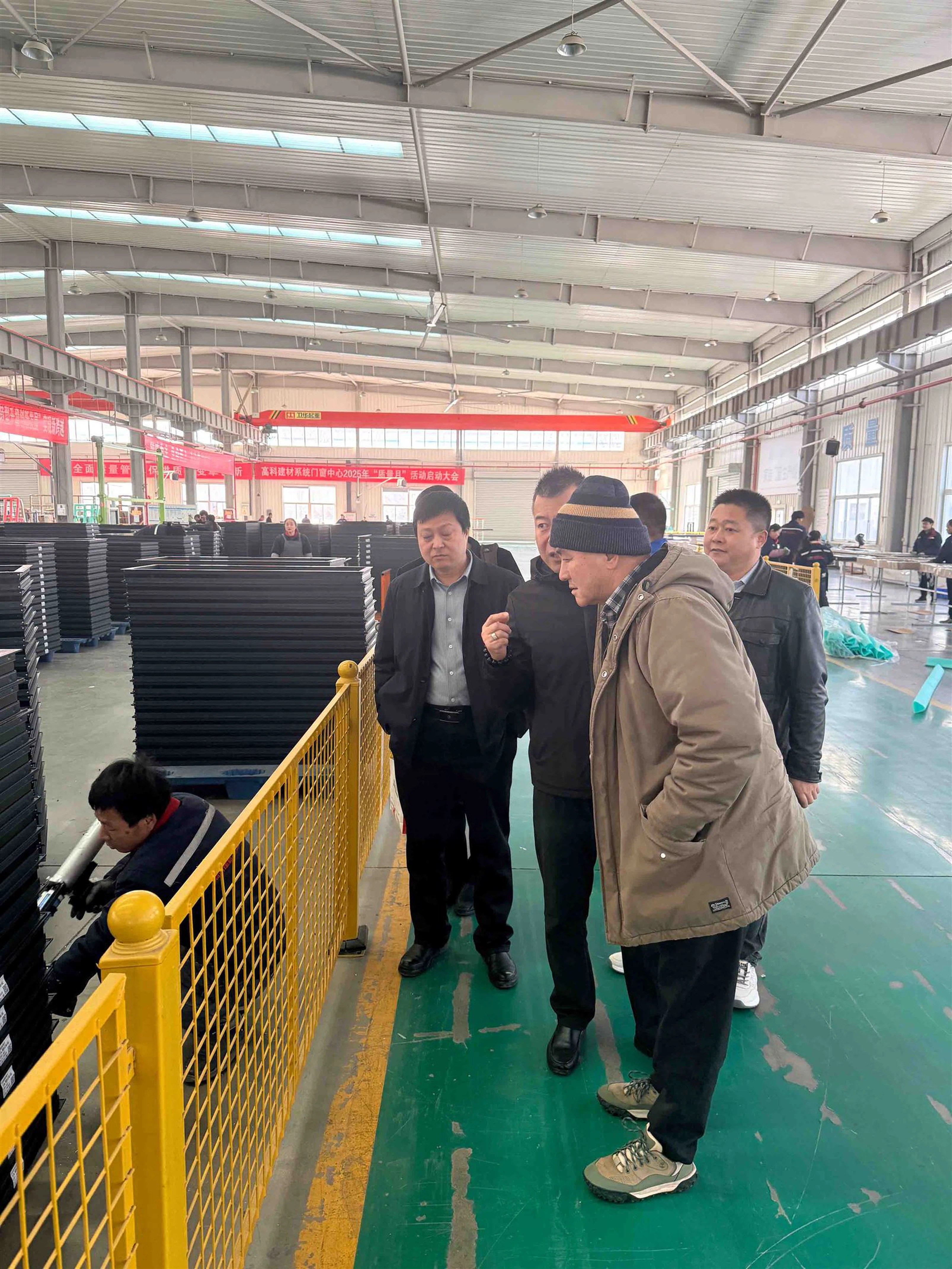
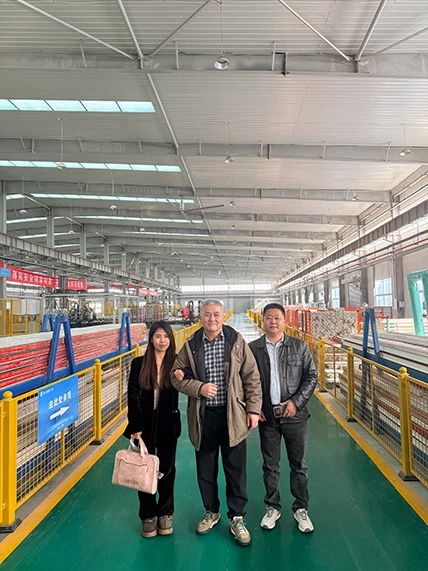
our factory
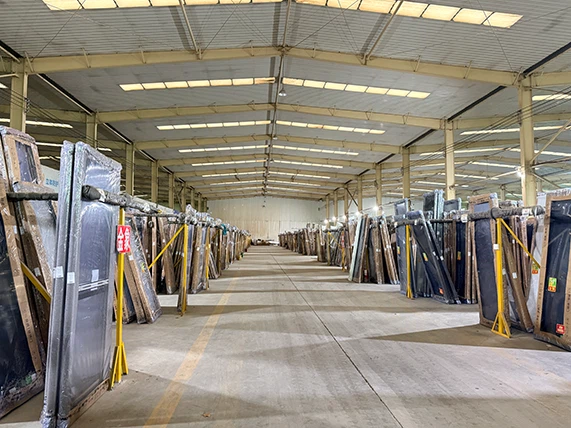
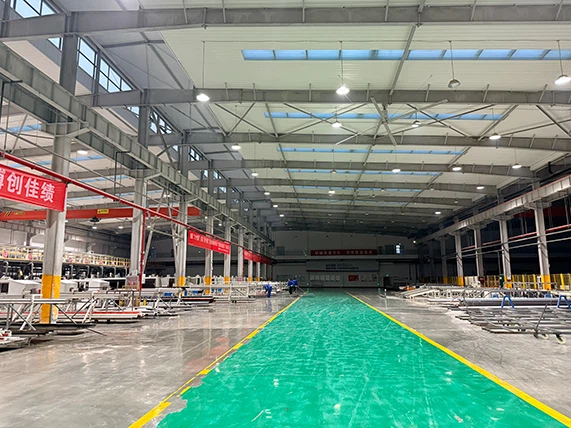
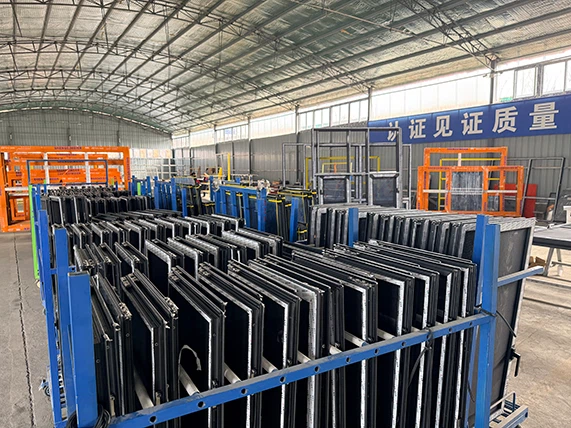
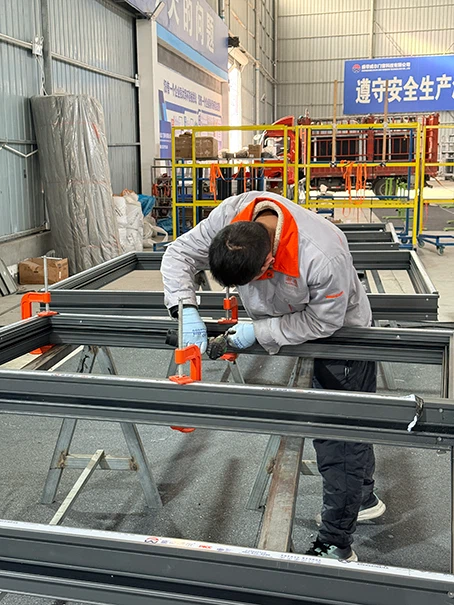
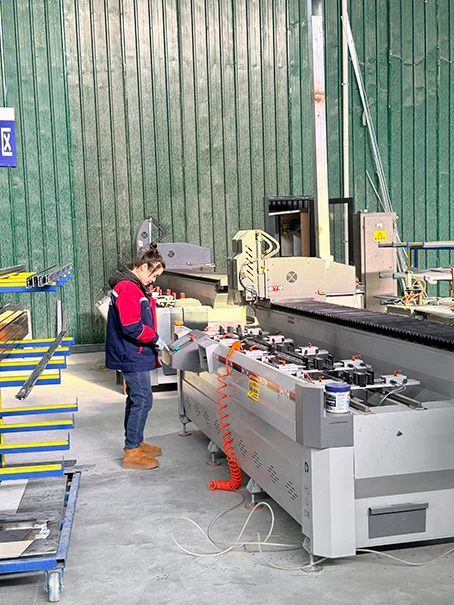
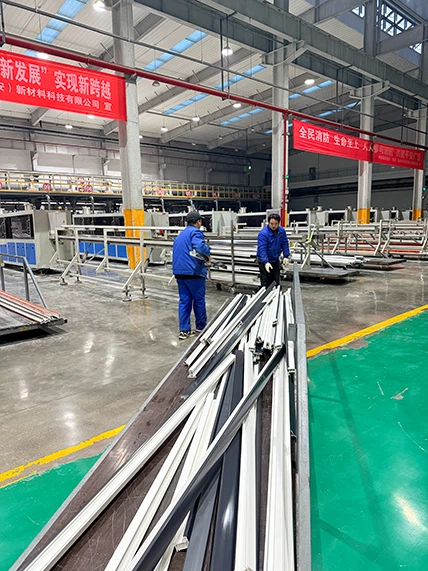
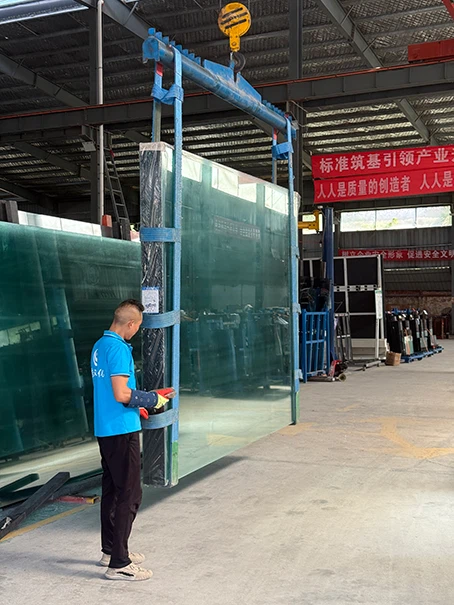
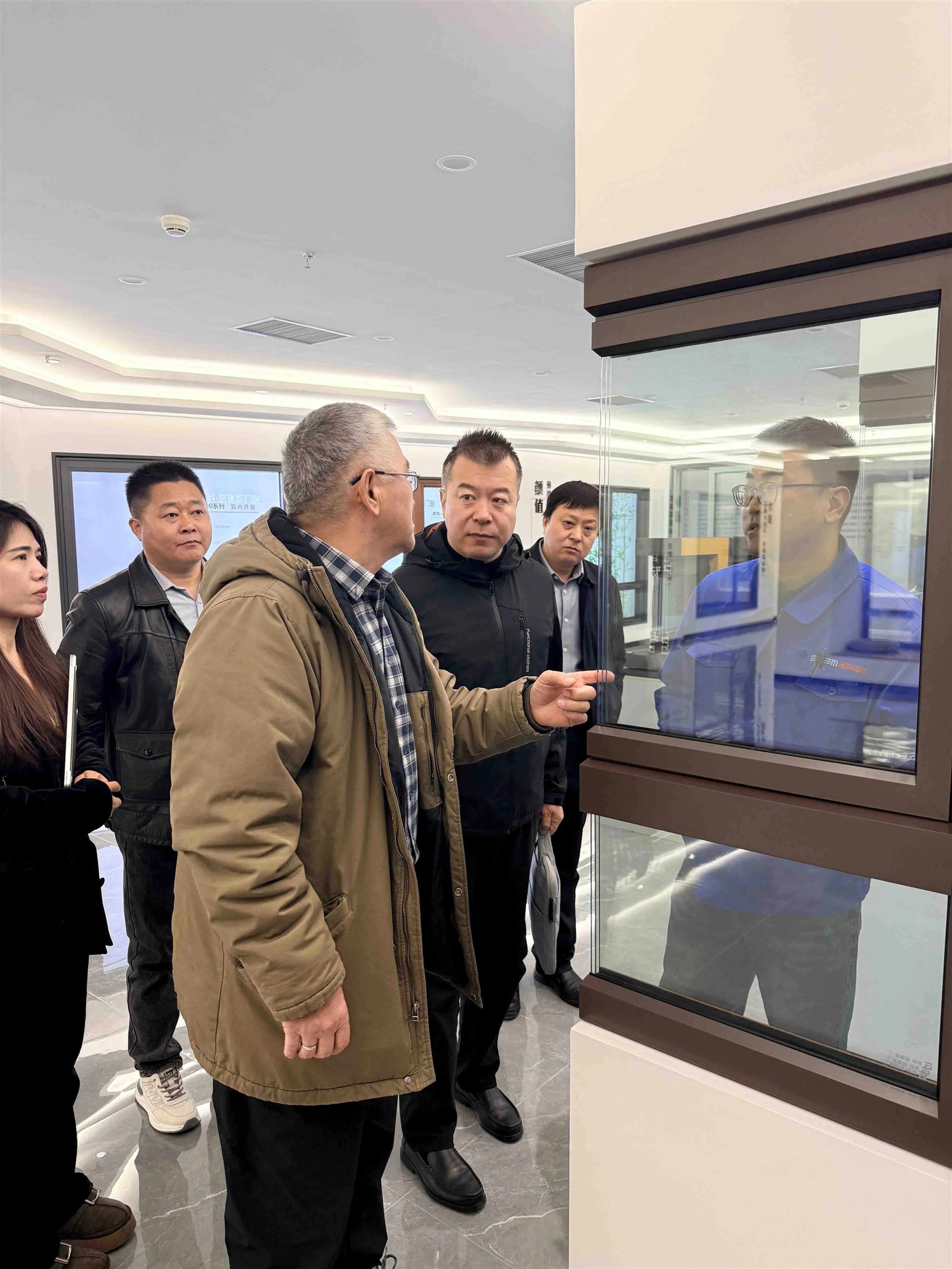
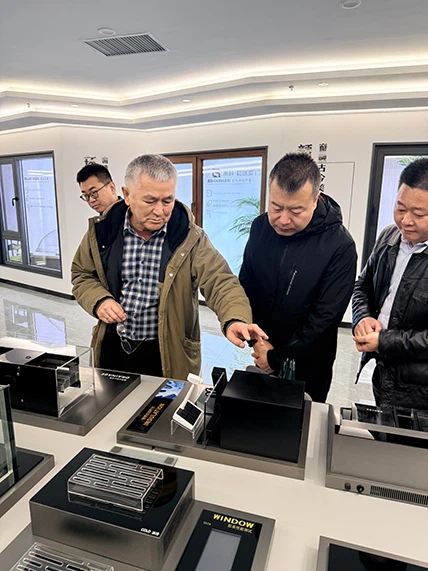
Client Visit

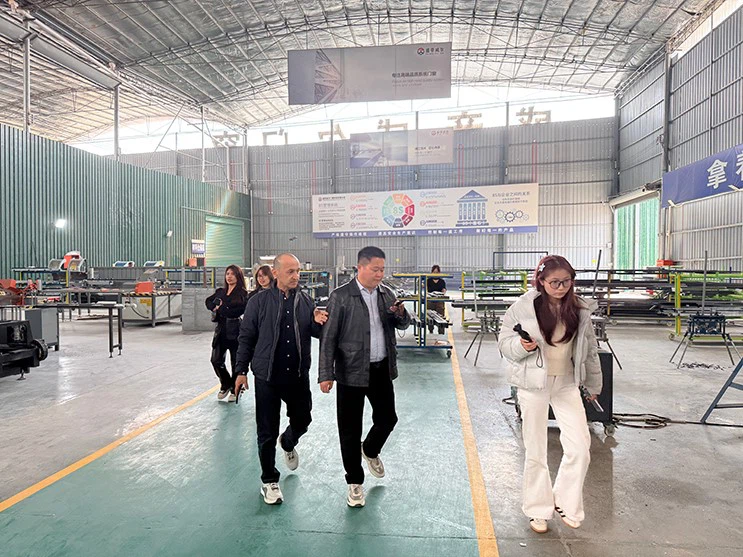
Frequently Asked Questions
Q: Q1: What is a thermal break in aluminium windows?
A: A thermal break is a non-conductive barrier - typically PA66 polyamide reinforced with glass fiber - inserted between the interior and exterior aluminium profiles of a window frame. Without it, aluminium's high thermal conductivity allows heat to flow freely between indoor and outdoor surfaces. A thermal break cuts this heat transfer by up to 50%, lowering the U-value from around 3.5 W/m²K (non-thermal-break) to 1.4-1.8 W/m²K.
Q: Q2: Do thermal break windows stop condensation?
A: Yes. Condensation forms when the interior surface of a window frame drops below the dew point. Non-thermal-break aluminium frames can become cold enough in winter for moisture to collect, leading to mould and frame corrosion. Thermal break windows keep the interior frame surface significantly warmer - typically 8-12°C higher than non-thermal-break equivalents - keeping it above the dew point under normal indoor conditions.
Q: Q3: What U-value do SGL thermal break casement windows achieve?
A: With double Low-E argon-filled glazing, our thermal break casement windows achieve a U-value of 1.6-1.8 W/m²K. With triple glazing and warm-edge spacers, this improves to 1.2-1.4 W/m²K - meeting Passivhaus component criteria and exceeding UK Building Regulations Part L requirements.
Q: Q4: Are these windows suitable for Passivhaus projects?
A: Yes. Our triple-glazed thermal break casement windows with warm-edge spacers achieve U-values as low as 1.2 W/m²K, well within the Passivhaus window component threshold (≤ 0.85 W/m²K installed, depending on climate zone). We provide detailed thermal bridging calculations and Psi-values on request for PHPP modelling.
Q: Q5: Do you provide U-value documentation for building control?
A: Yes. Every order includes a technical data sheet with certified U-values, air permeability, water tightness, and wind load test reports (EN 14351-1). UKCA-marked documentation is available for Great Britain projects. We also supply condensation risk assessments and Psi-value calculations for thermal bridge modelling on request.
Project Case Studies
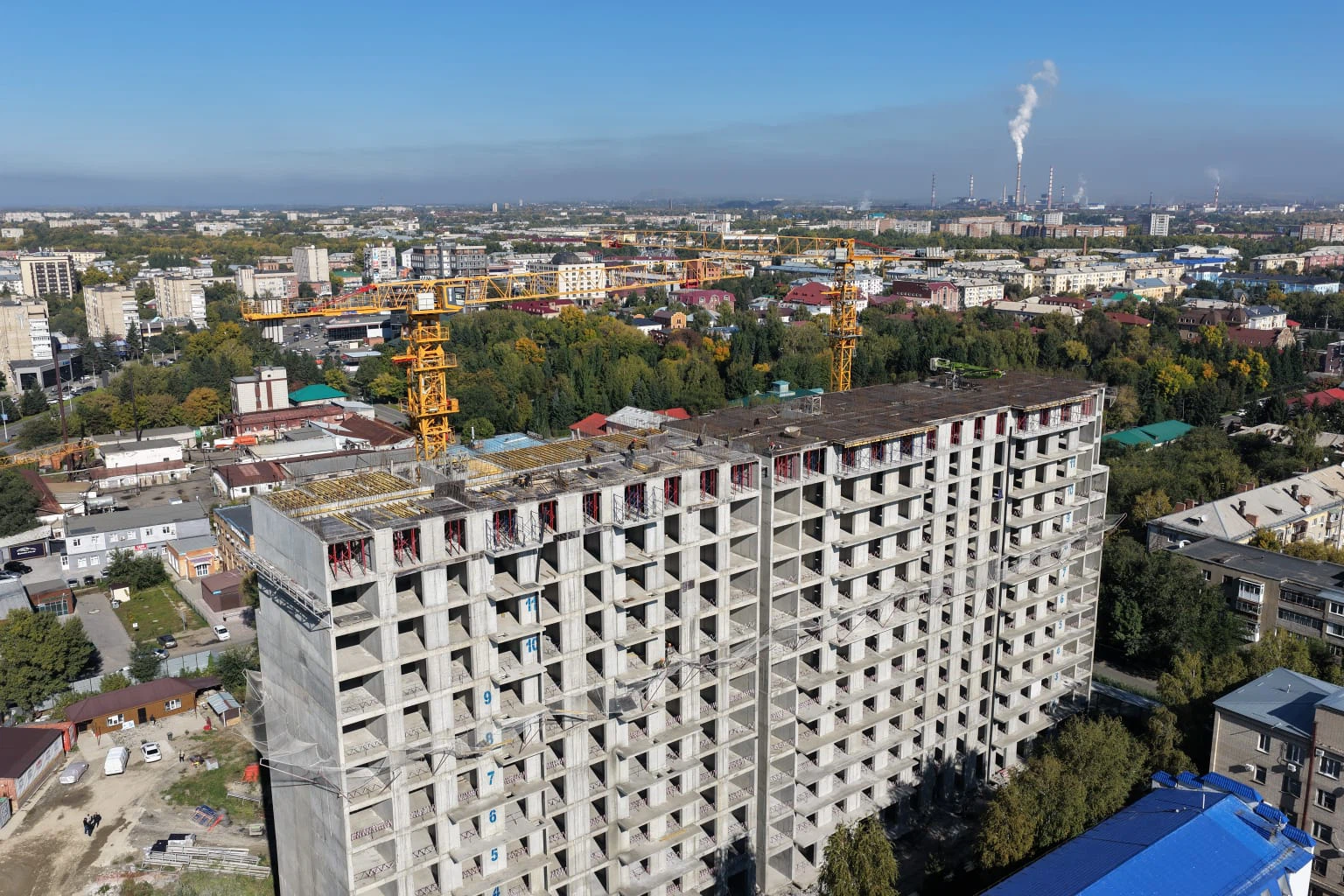
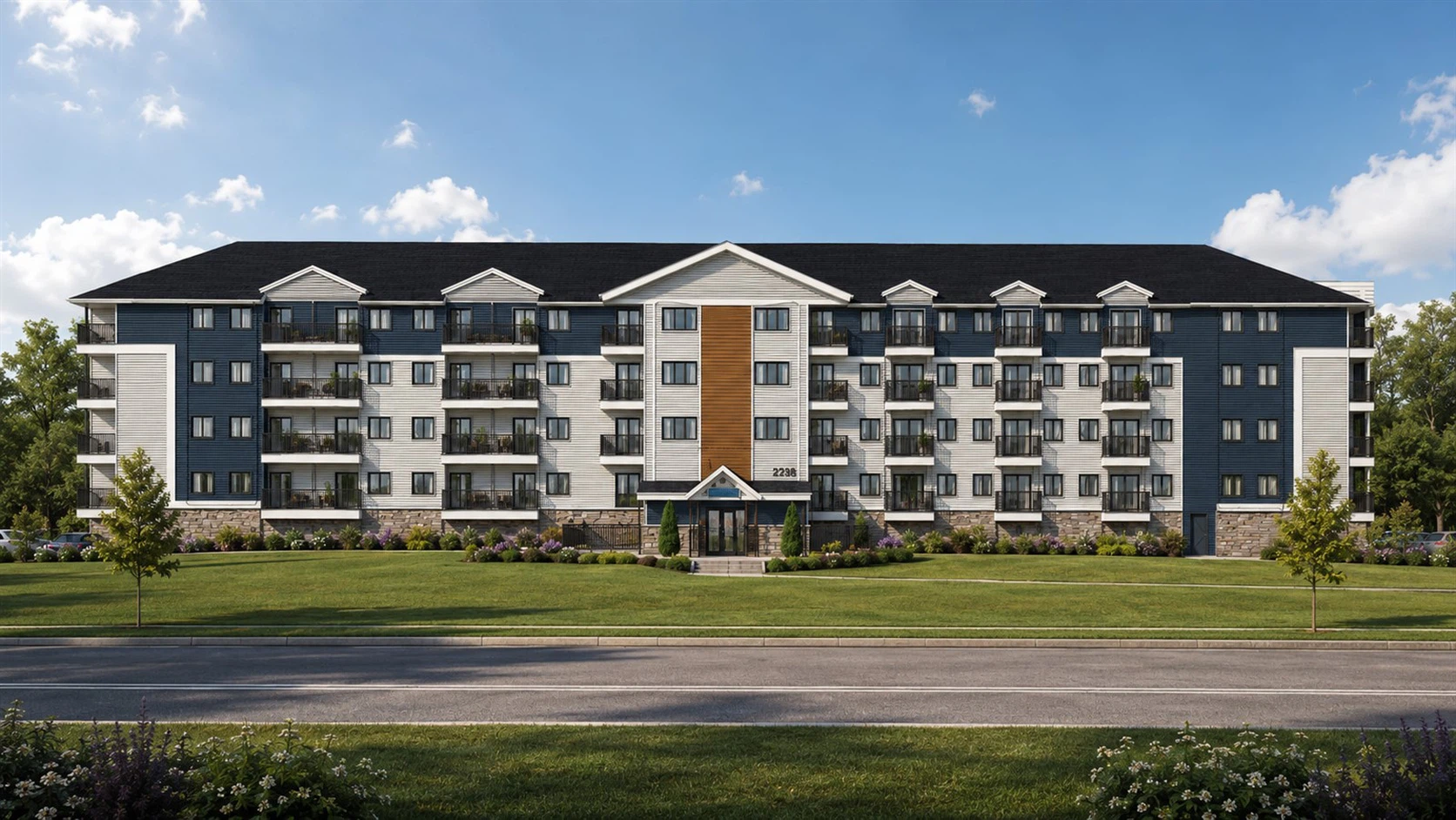
We provide one-stop door and window solutions for individual buyers, contractors, renovation companies, and more.
Our address
No. 2 Group, Fumiao Village, Laojun Town, Hantai District, Hanzhong City, Shaanxi Province, China
Phone Number
+86 13335450021
sgl-factory@sgl-doors-windows.com

Hot Tags: thermal break aluminium casement windows | low u-value, passivhaus-ready | sgl, China thermal break aluminium casement windows | low u-value, passivhaus-ready | sgl manufacturers, suppliers, factory, aluminium vertical sliding windows, aluminum glass window, aluminium sliding sash windows, aluminium flush windows, glass and aluminium windows, best aluminium sliding windows
Technical Specifications
| Specification | Details |
|---|---|
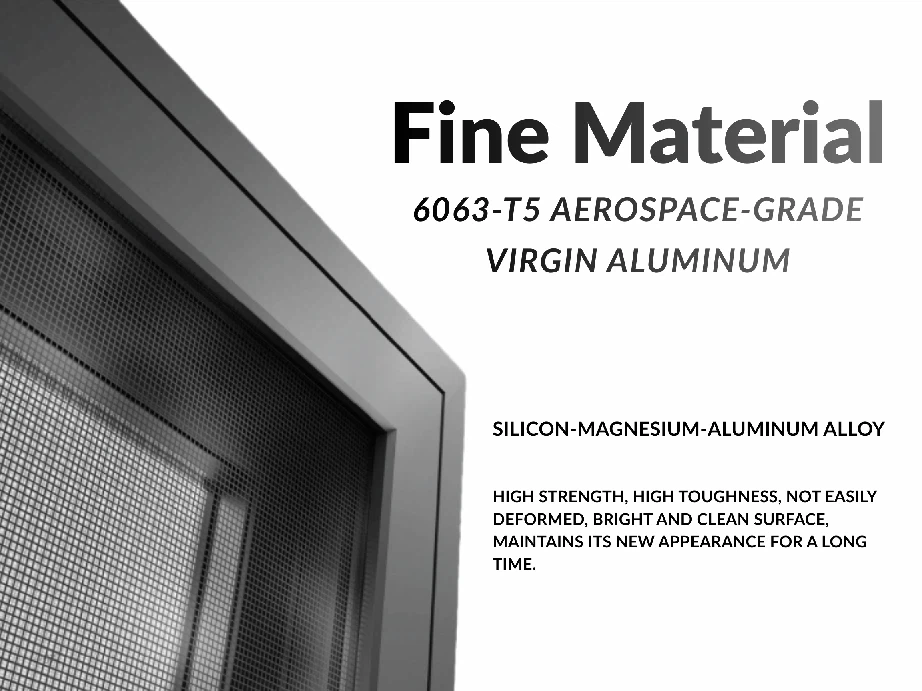
| Frame Material | Aluminium Alloy 6063-T5 |
| Thermal Break | PA66 Polyamide + 25% Glass Fiber (C-shape or I-shape) |
| U-Value (Double) | 1.6 – 1.8 W/m²K (Low-E, argon-filled) |
| U-Value (Triple) | 1.2 – 1.4 W/m²K (Low-E, argon, warm-edge spacer) |
| Frame Thermal Transmittance | ≤ 1.8 W/m²K |
| Opening Type | Inward / Outward |
| Profile Thickness | 1.6mm / 2.0mm / 3.0mm |
| Glass Configuration | 5+20A+5 Low-E Argon / 5+12A+5+12A+5 Triple |
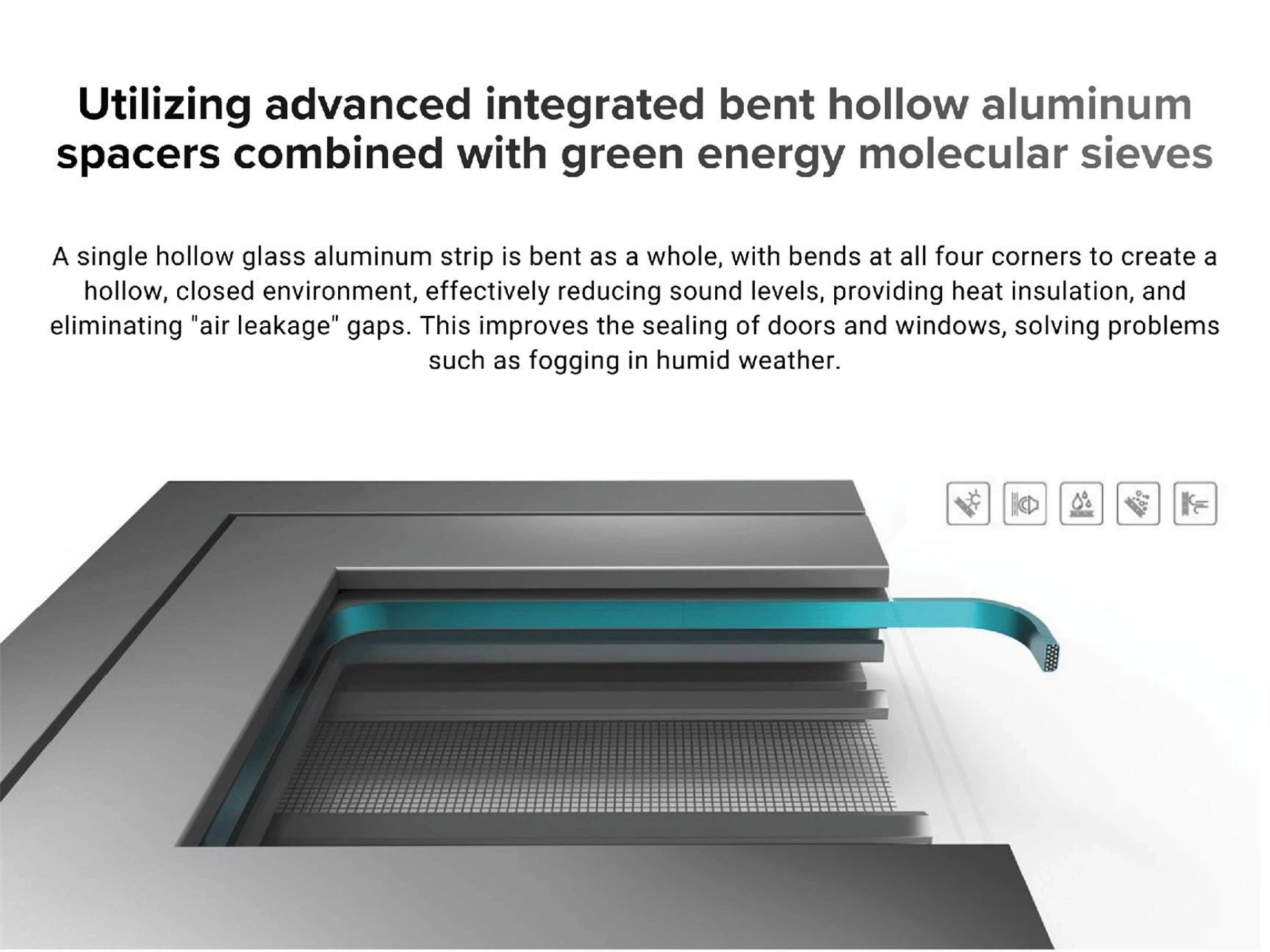
| Spacer | Standard aluminium / Warm-edge (Swisspacer, TGI) |
| Hardware | German (Roto/GU) / Italian (Fapim) multi-point locking |
| Surface Finish | Powder Coating / Anodizing / Wood Grain |
| Air Tightness | Class A (EN 12207) |
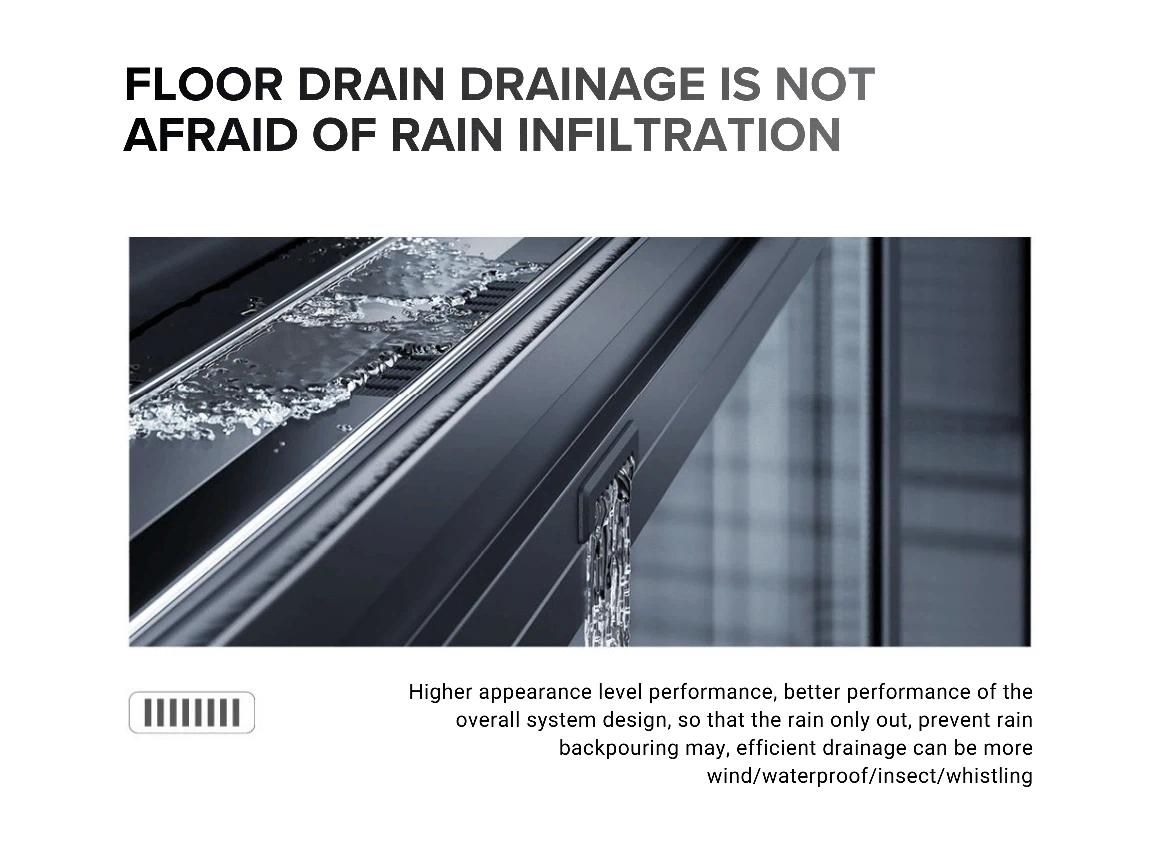
| Water Tightness | Class A (EN 12208) - 700 Pa tested |
| Sound Insulation | 35 – 45 dB |
| Condensation Risk | Minimal - internal surface stays above dew point |
| Certifications | CE (EN 14351-1), ISO 9001:2015, Passivhaus-ready |
| Warranty | 10-year frame & coating / 5-year hardware & glass |
You Might Also Like


Send Inquiry