


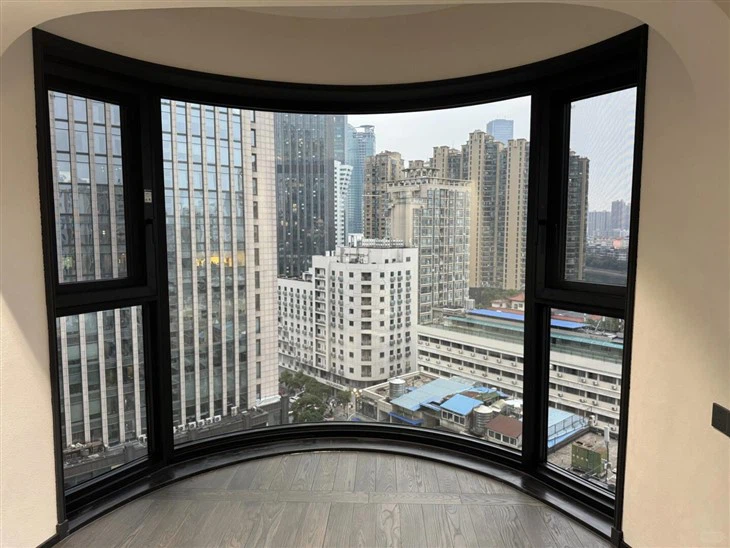

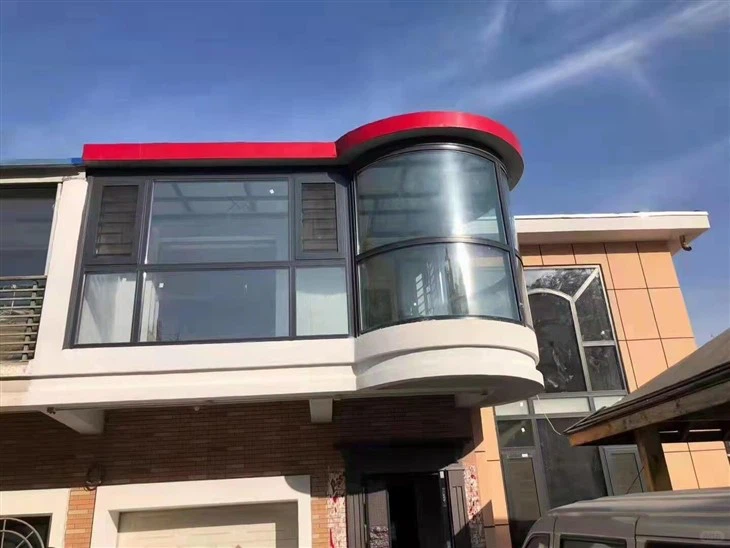
Curved Aluminium Casement Windows
Shaanxi SGL Doors&Windows Technology Co., Ltd. is one of the most reliable manufacturers and suppliers of curved aluminium casement windows in China, also supports customized service. Please feel free to wholesale high quality curved aluminium casement windows for sale here from our factory. If you have any enquiry about pricelist and quotation, please feel free to email us.
CNC Roll-Bent Frames
CNC Roll-Bent Frames
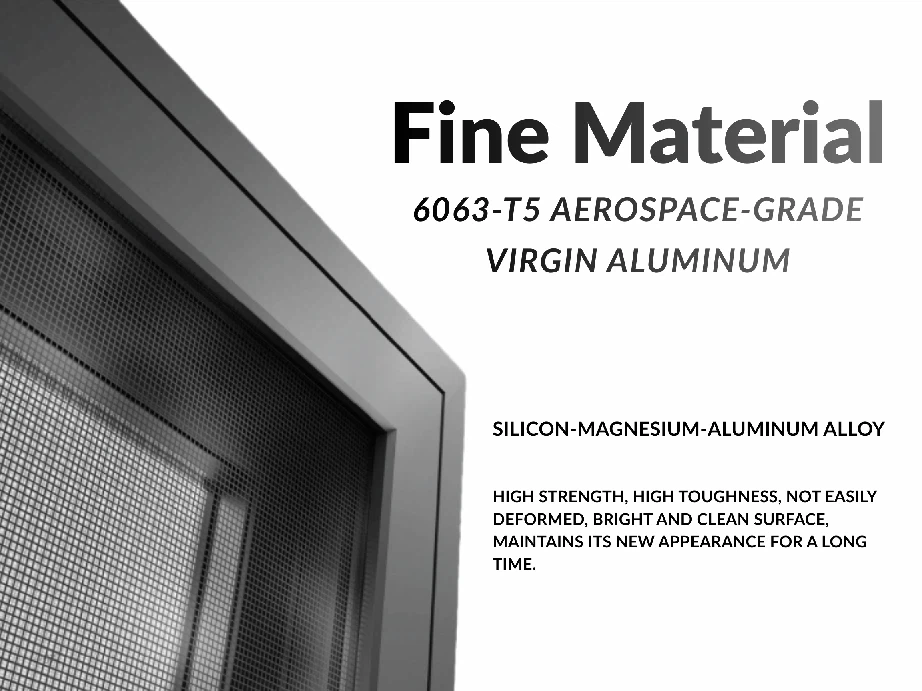
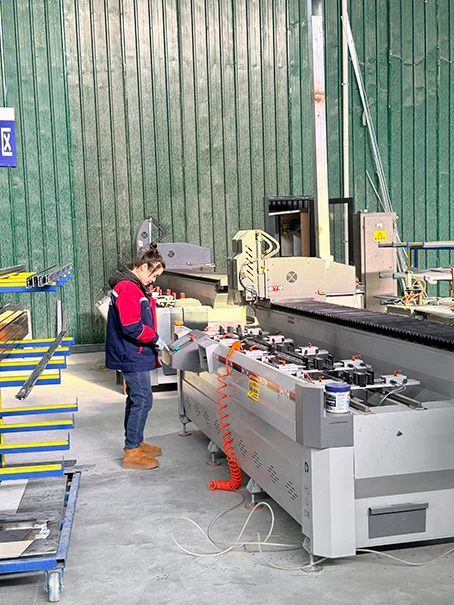
Precision CNC roll-bending machines form thermal break aluminium profiles to exact radii with ±1 mm tolerance. The 60 mm and 70 mm series frames can be bent to minimum radii of 400 mm and 500 mm respectively. Post-bending, each frame is inspected for thermal break integrity and profile wall consistency.
Full Casement Functionality
Unlike fixed curved windows, SGL curved casements open and close with full casement functionality. Radial hinges pivot around the centre of curvature. Curved espagnolette rods follow the sash profile for multi-point locking. The sash opens outward to 90° with friction stay support rated for curved sash weight.
Heat-Slumped Curved Glass
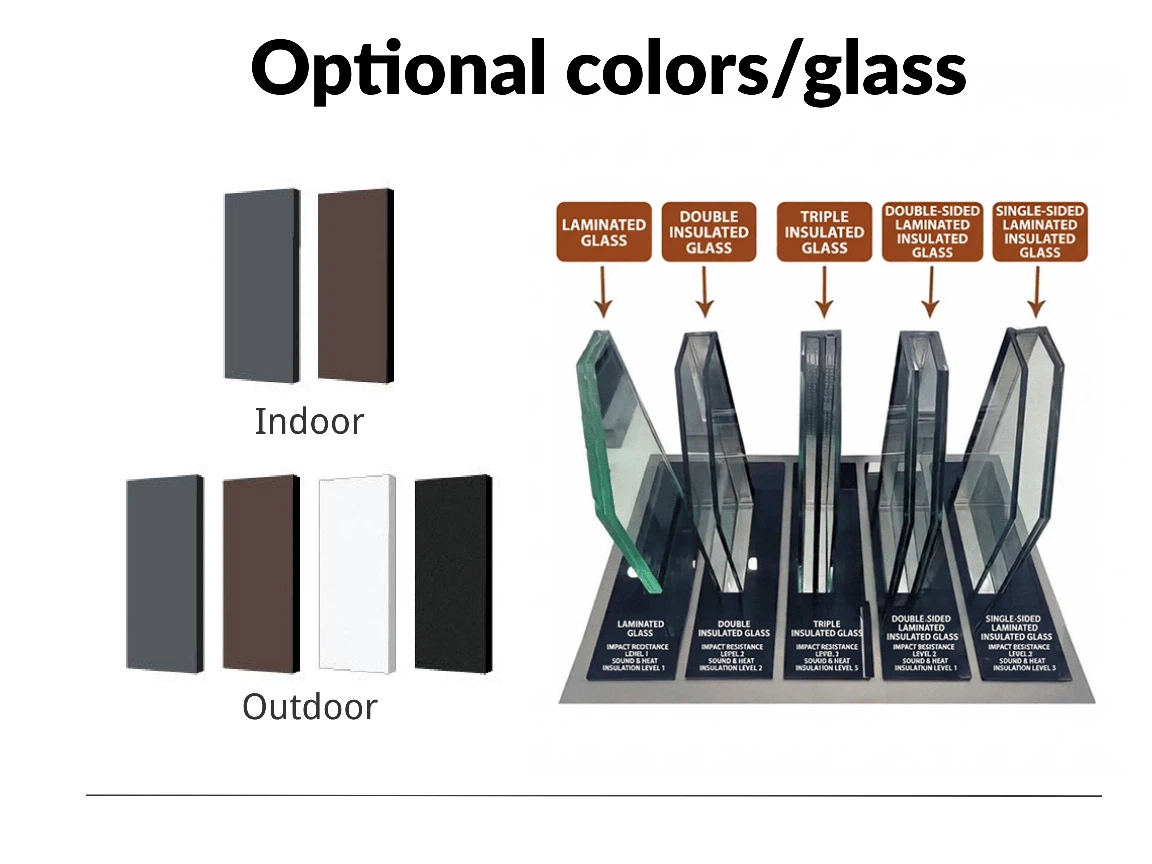
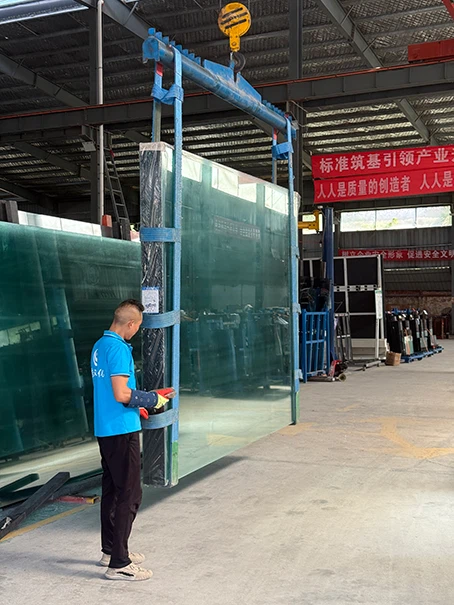
Single-curved (cylindrical) glass is heat-slumped to the required radius with ±3 mm tolerance. Double-curved (spherical) glass is heat-bent in precision moulds. IGU units use warm-edge spacer bars pre-formed to the radius. Laminated curved glass available for safety-critical locations.
Unlimited Shape Possibilities
Segmental arches, gothic arches (pointed with two radii), elliptical arches, round-top rectangles (Roman arches), ogee curves, serpentine waves, and full circles. Compound curves combining plan curvature (bay windows) with elevation curvature are engineered with bespoke jointing systems.
Heritage & Conservation
Curved casement windows are essential for heritage restoration, church renovations, and conservation-area projects where original arched openings must be retained. SGL provides like-for-like replacement of steel or timber arched windows with modern aluminium thermal break performance.
Structural Calculation Package
Every bespoke curved window order includes structural calculations for wind load on curved surfaces, thermal bridge analysis for bent frames, and glazing specification for curved glass stress concentrations. Full technical submittal package for architect and engineer review.
Available Shapes
Segmental Arch
Single radius curve forming a shallow arch. Most common curved window type. Radius typically 600–2,000 mm.
Gothic Arch
Pointed arch formed by two intersecting radii. Classic ecclesiastical and Victorian Gothic Revival style.
Round Top (Roman)
Semicircular arch atop a rectangular opening. Popular in Mediterranean, Spanish Colonial, and Craftsman architecture.
Elliptical Arch
True ellipse or flattened ellipse. More elegant than segmental for wide openings. Requires CNC-controlled multi-point bending.
Serpentine / Ogee
Double-curved S-shape or ogee profile. Used in Baroque, Rococo, and contemporary organic architecture.
Full Circle / Oculus
Complete circular window with radial casement sashes. Popular in modern architecture and church renovations.
The Engineering of Curved Aluminium Frames
Bending an aluminium window frame is not as simple as bending a tube. Thermal break profiles contain two aluminium shells separated by a polyamide insulation strip. When bent, the outer shell stretches while the inner shell compresses. The polyamide must accommodate this differential strain without cracking or delaminating. SGL uses CNC roll-bending with three-point pressure control: the central pressure roller applies calibrated force while two support rollers maintain profile alignment. The bend is performed in multiple incremental passes (typically 8–12 passes for a 90° arc) to distribute strain evenly.
After bending, every frame undergoes thermal break integrity inspection. A delaminated thermal break creates a thermal bridge that defeats the purpose of the window. SGL's quality protocol includes visual inspection, tap testing for voids, and sample destructive testing on production batches. Frames that fail inspection are rejected - they are not repaired or re-bent.
Curved Glass: Slumping vs. Bending
Curved glass for arched windows is manufactured by two methods. Heat-slumping (gravity sagging) places flat glass on a mould and heats it to 620°C until it sags under its own weight to the mould shape. This is suitable for single-curved (cylindrical) shapes with radii above 500 mm. Heat-bending uses a matched mould pair that presses the glass to shape under controlled temperature and pressure. This is required for double-curved (spherical or toroidal) shapes and for tight radii below 500 mm.
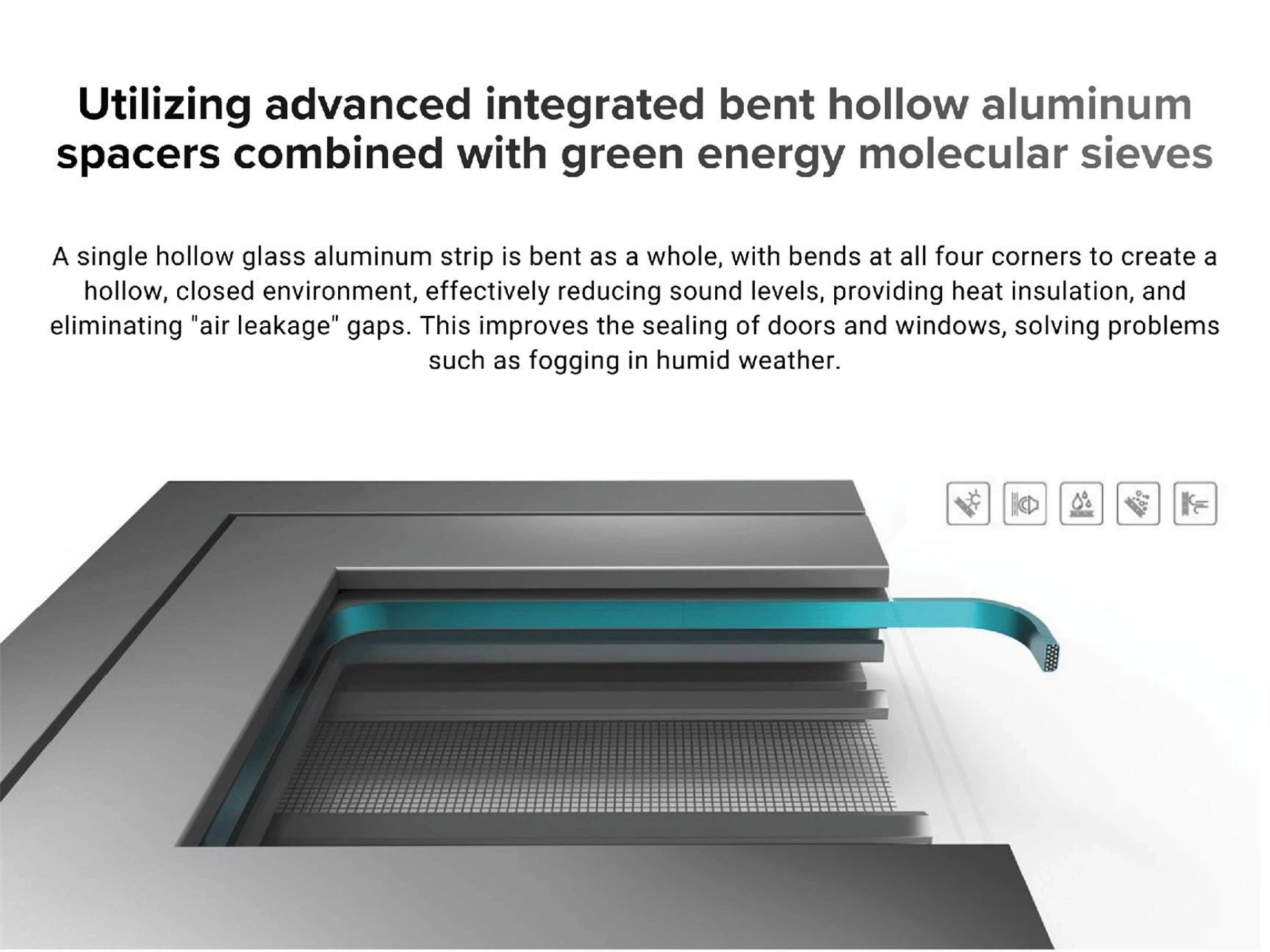
The critical consideration for curved IGU units is the spacer bar. Standard straight spacer bars cannot follow a curve. SGL uses pre-formed warm-edge spacer bars (Swisspacer or TGI) that are bent to the exact radius before IGU assembly. The butyl primary seal and polysulphide secondary seal are applied with automated equipment adapted for curved units. Every curved IGU is pressure-tested for 24 hours before dispatch.
Key Features
1. CNC Multi-Pass Roll Bending
+
-
Three-point CNC roll-bending with 8–12 incremental passes distributes strain evenly across the profile. Central pressure roller with load cell feedback maintains consistent force. Result: smooth curves without kinks, wrinkles, or wall thinning.
2. Radial Hinge System
+
-
Patented radial hinges pivot around the centre of curvature, not a fixed point. This ensures the sash opens smoothly without binding, regardless of radius. Hinge pins are 316 stainless steel with sealed bearings for 50,000 cycles.
3. Curved Espagnolette Locks
+
-
Locking rods are pre-bent to follow the sash curvature, maintaining 4–6 locking points around the perimeter. Mushroom cams engage with curved keep plates. The entire locking system is tested to EN 13126-3 with 10,000-cycle certification.
4. Precision Heat-Slumped Glass
+
-
Glass is heated to 620°C and sagged over precision ceramic moulds. Radius tolerance ±3 mm for single-curved, ±5 mm for double-curved. Optical distortion is minimised through controlled heating profiles and slow cooling (annealing) cycles.
5. Heritage Replication
+
-
Exact replication of original steel or timber arched windows for listed buildings and conservation areas. SGL surveys existing openings, produces 3D CAD models, and manufactures like-for-like replacements with modern thermal performance.
Ideal Applications
-
Church & Cathedral Renovation
-
Heritage Building Restoration
-
Gothic Revival Architecture
-
Mediterranean Villa Design
-
Bay Window Curves
-
Turret & Tower Windows
-
Contemporary Organic Forms
-
Conservation Area Projects
our aluminum window Application
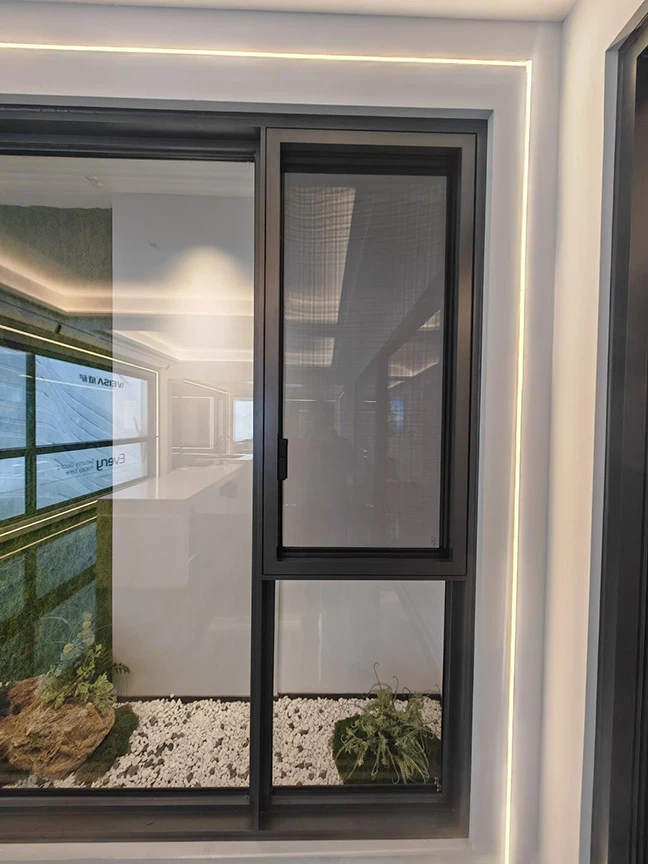
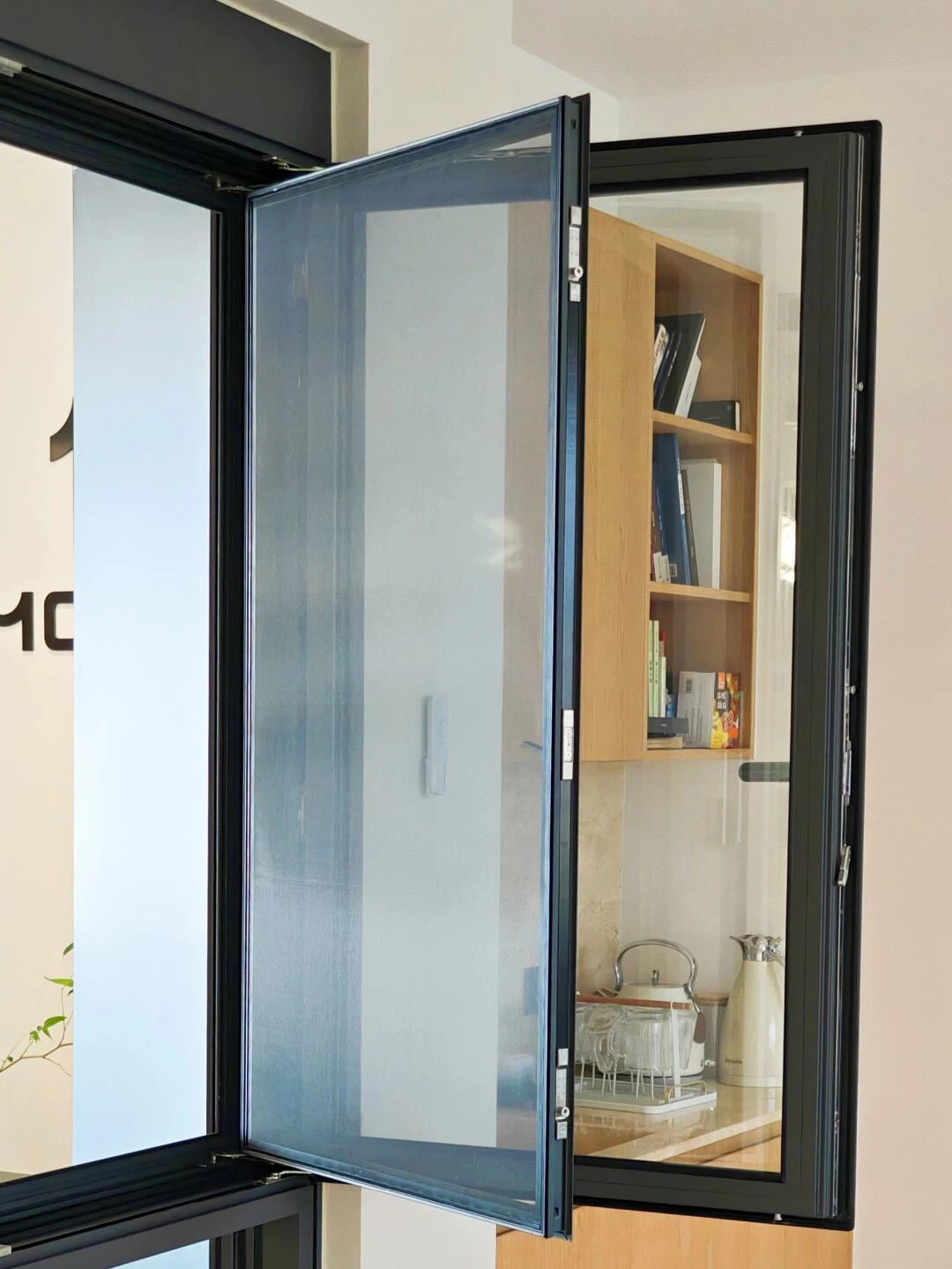
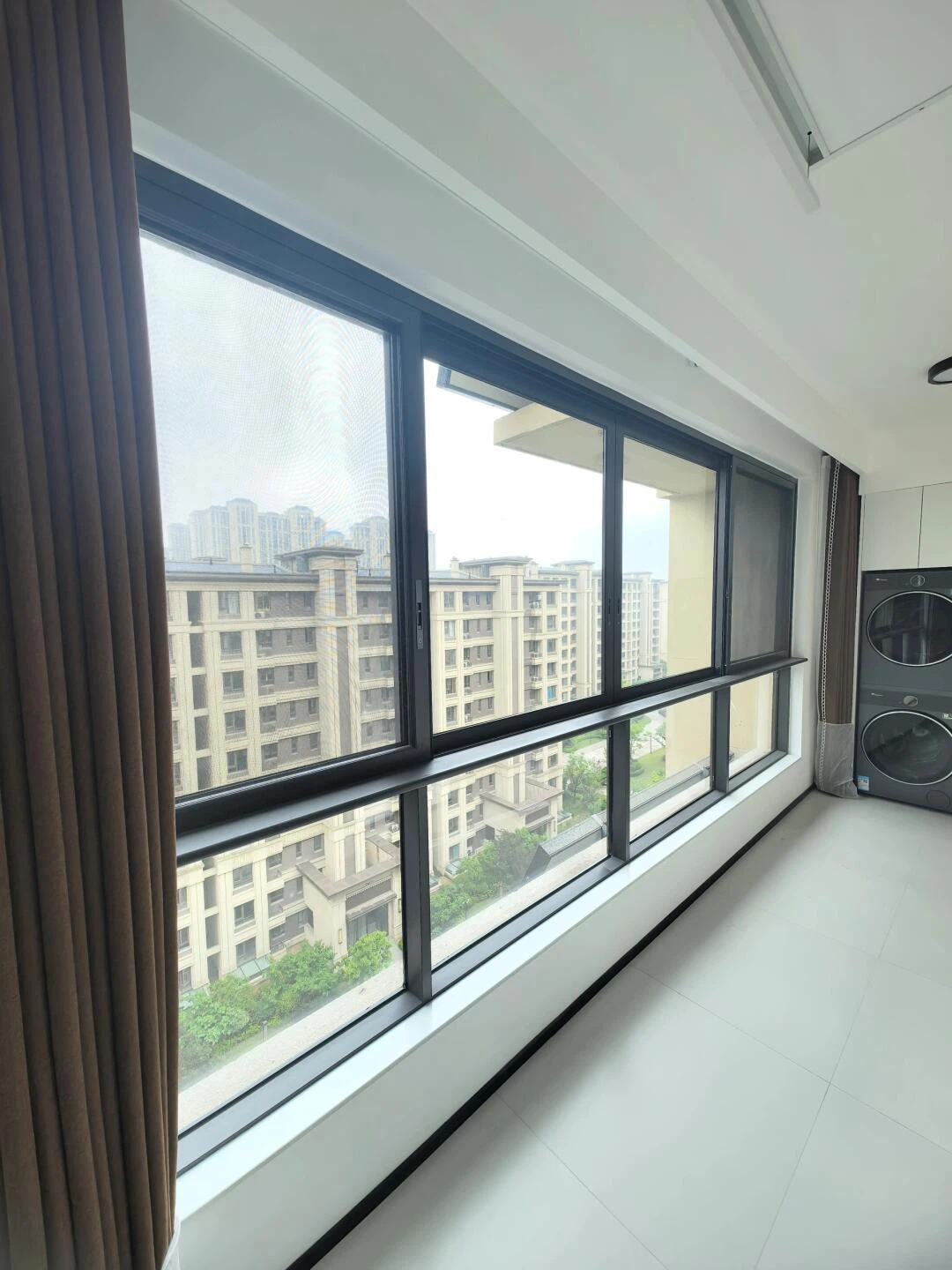
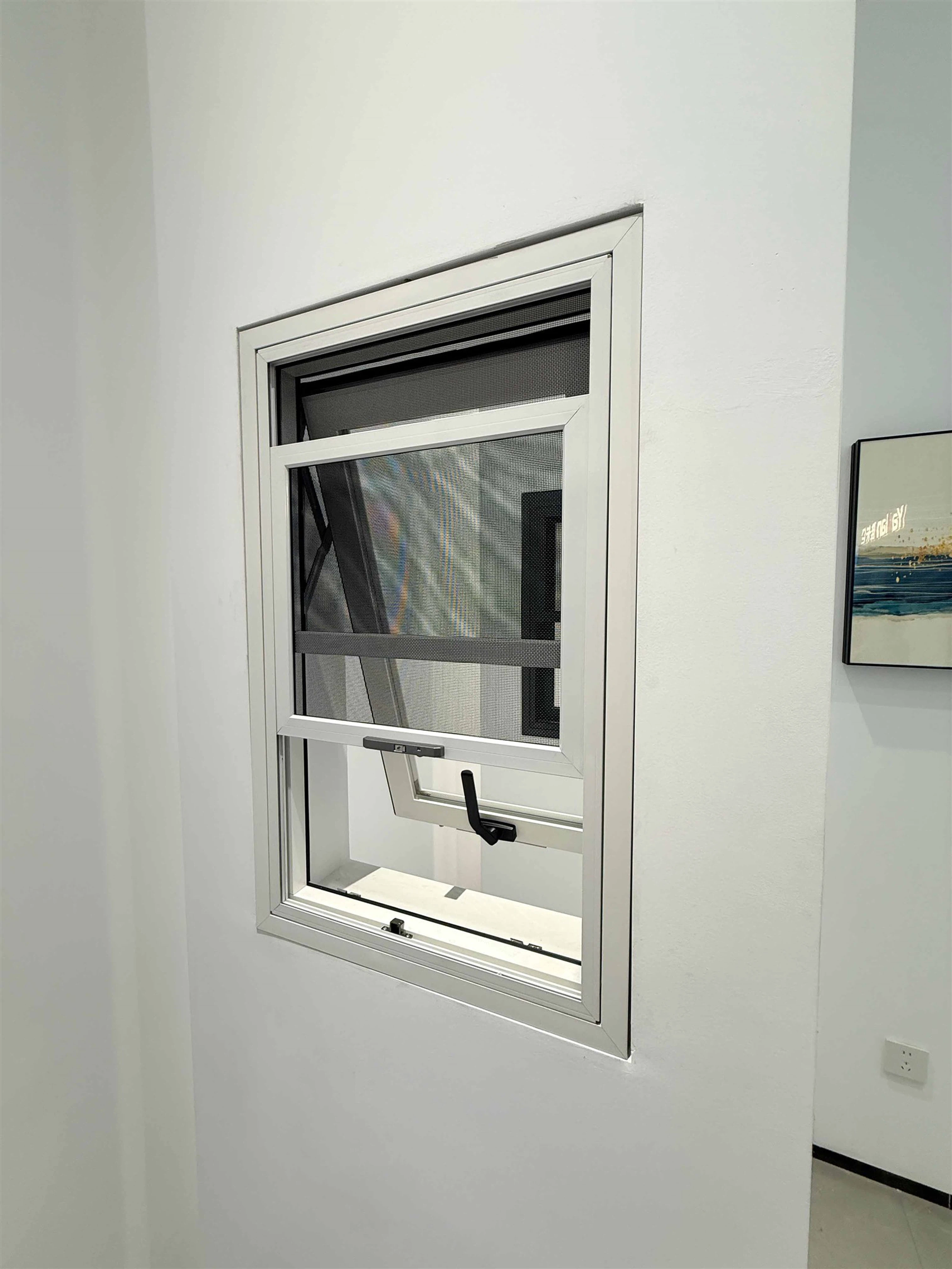
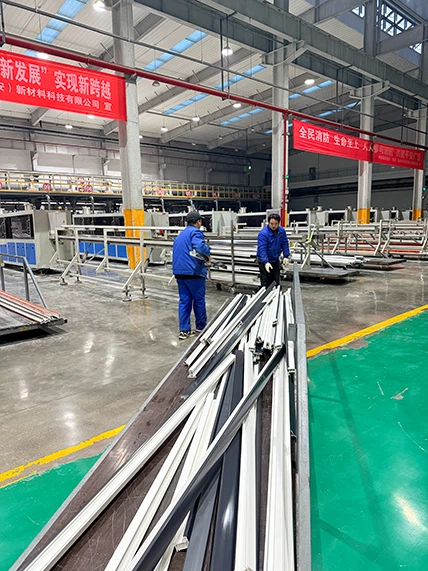
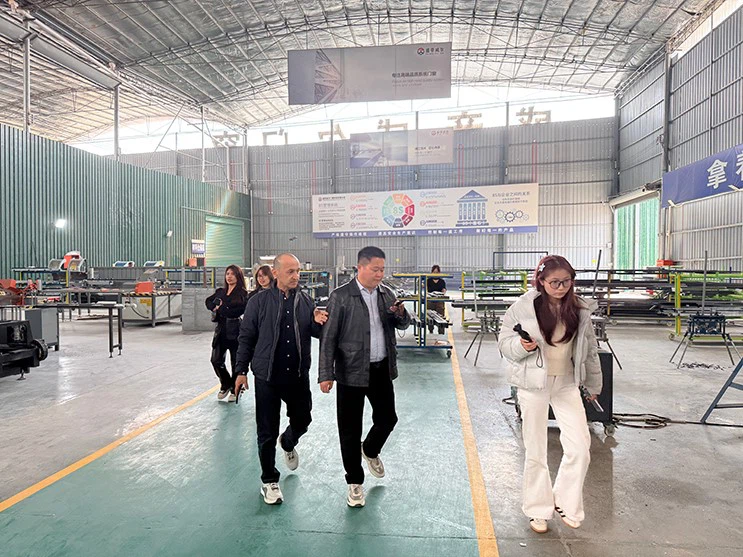
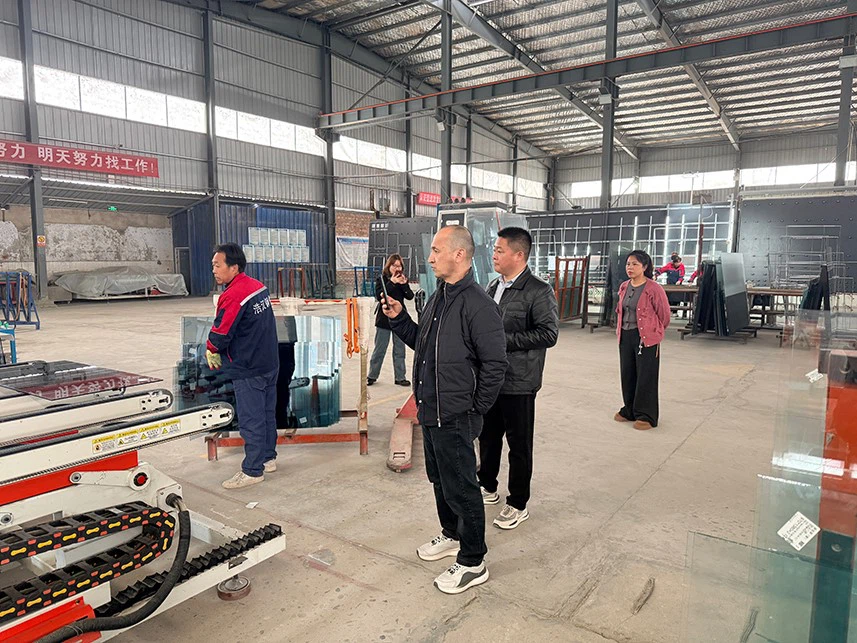
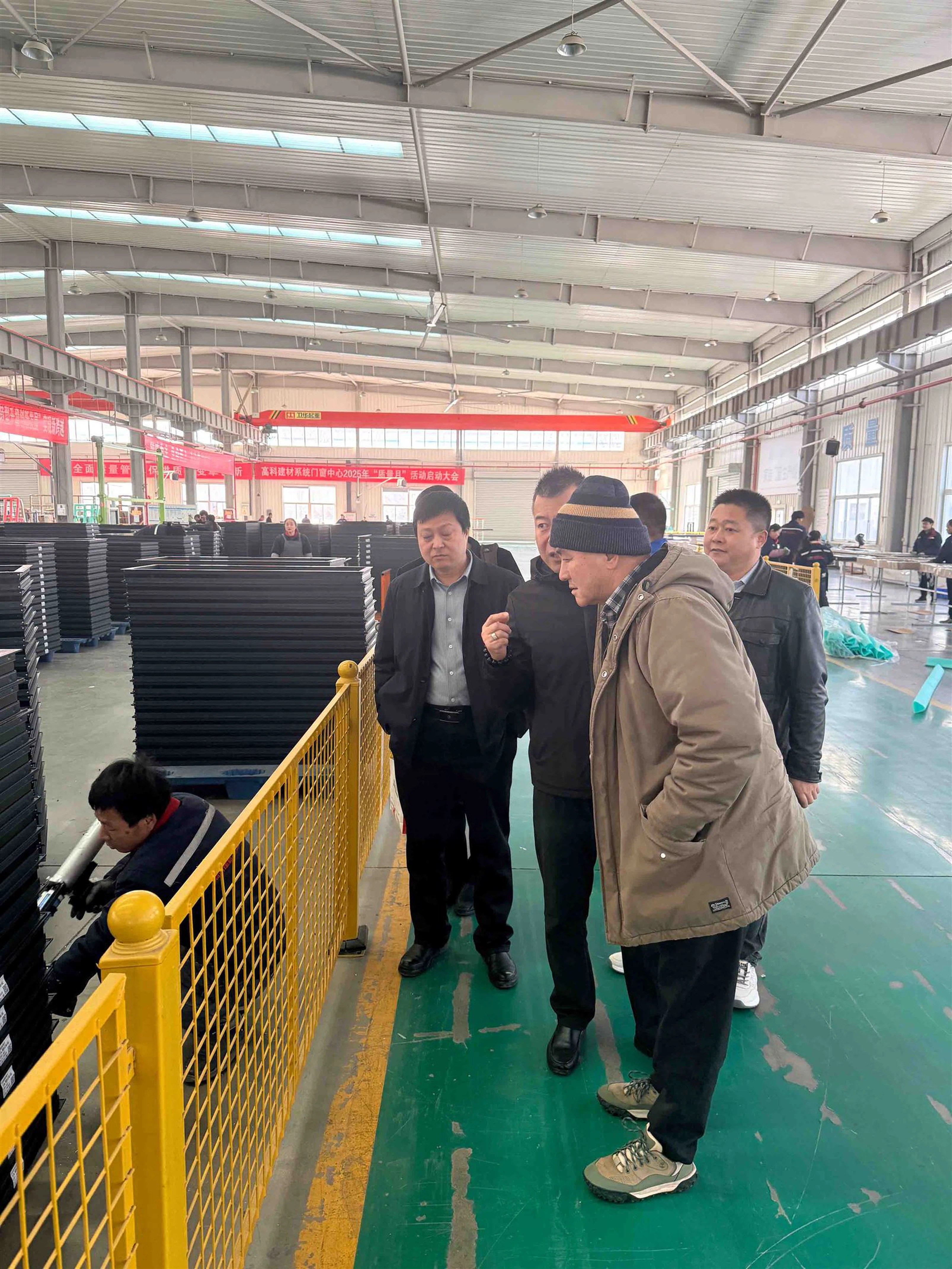
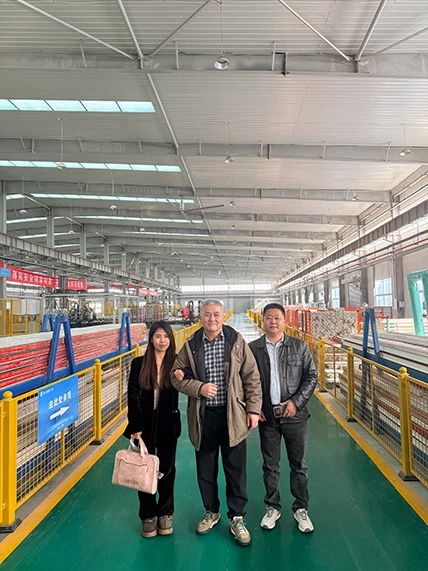
our factory
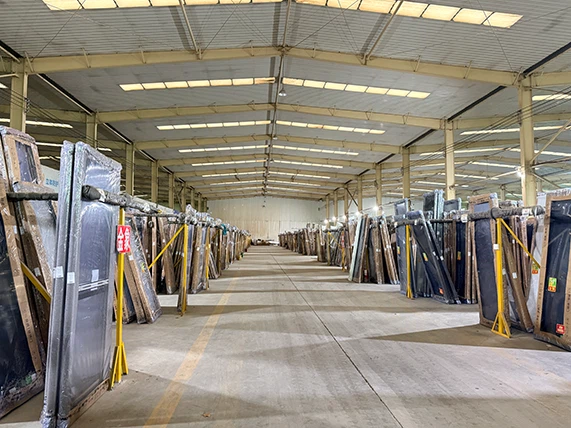
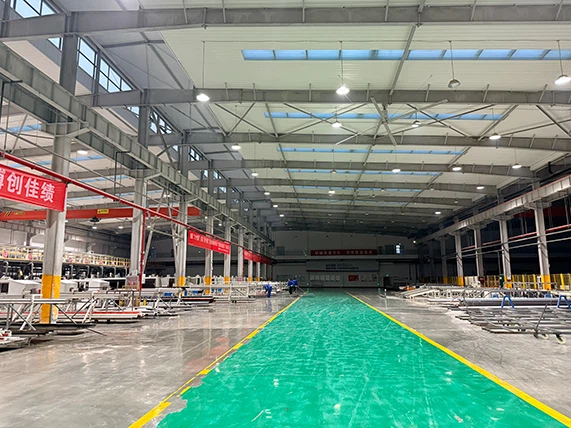
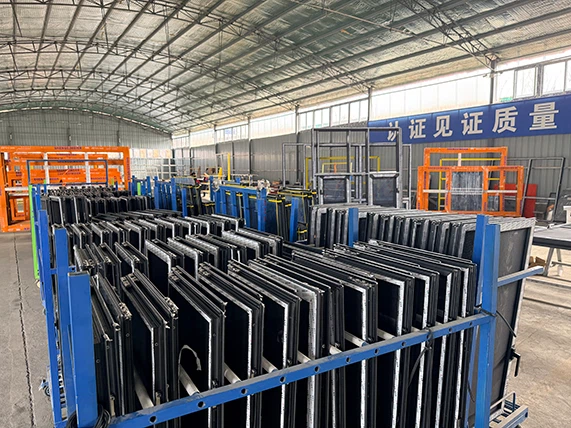
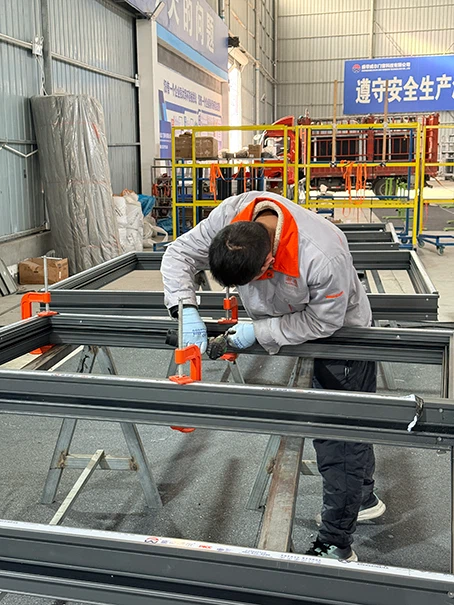
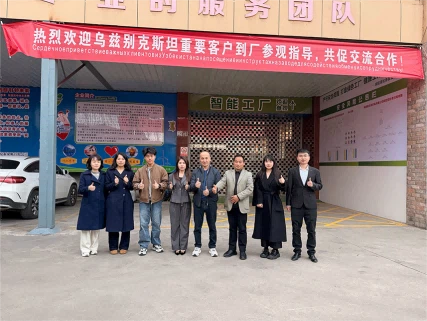
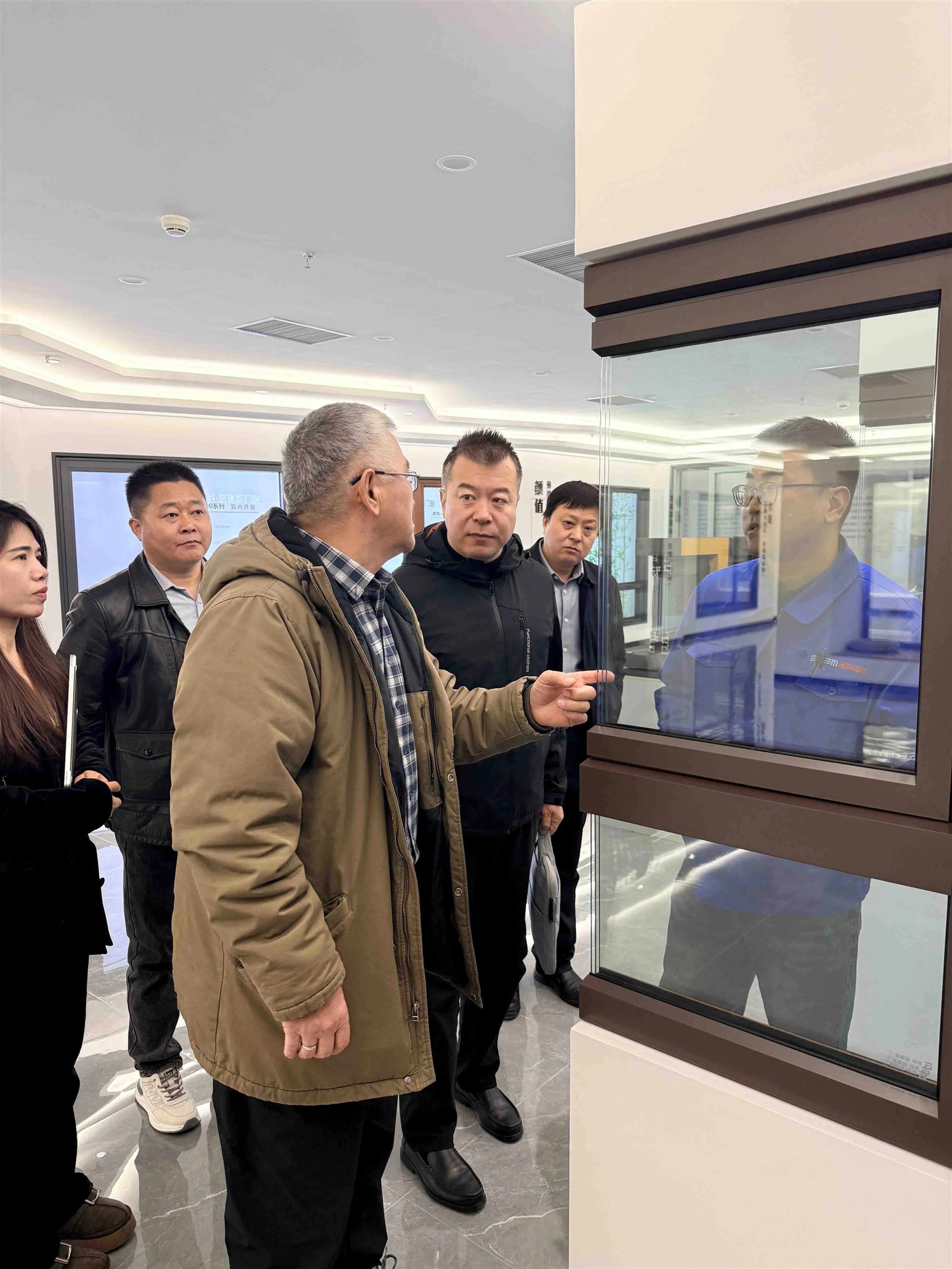
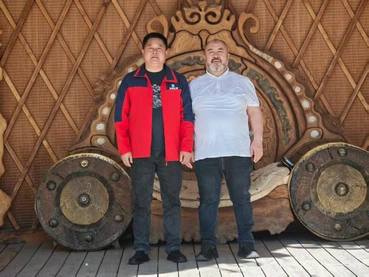
Client Visit
Frequently Asked Questions
Q: What is the minimum radius for curved aluminium window frames?
A: SGL can CNC-bend thermal break aluminium profiles to a minimum radius of 400 mm for 60 mm series frames and 500 mm for 70 mm series. Below these radii, segmented (faceted) construction is used with mitred joints at 5°–15° intervals to approximate the curve. The minimum radius depends on profile wall thickness, thermal break width, and alloy temper.
Q: Can curved casement windows open and function like standard casements?
A: Yes. The casement mechanism is adapted for curved sashes using radial hinges that pivot around the centre of curvature. The locking system uses curved espagnolette rods that follow the sash profile. Multi-point locking (4–6 points) is maintained. The sash opens outward up to 90° with friction stay support rated for the curved sash weight.
Q: How is the glass curved for arched windows?
A: For single-curved (cylindrical) shapes, glass is heat-slumped to the required radius with tolerance ±3 mm. For double-curved (spherical or toroidal) shapes, glass is heat-bent in a mould. IGU units for curved frames use warm-edge spacer bars pre-formed to the radius. Laminated curved glass is available for safety-critical locations. Minimum curved glass thickness is 6 mm; 8–10 mm recommended for spans over 1,000 mm.
Q: What shapes are available beyond simple arches?
A: SGL manufactures a wide range of non-rectilinear shapes: segmental arches (single radius), gothic arches (pointed with two radii), elliptical arches, round-top rectangles (Roman arches), ogee curves, serpentine waves, and full circles. Compound curves combining plan curvature (bay windows) with elevation curvature are also possible with engineered jointing systems.
Q: Does bending the aluminium frame weaken the thermal break?
A: CNC roll-bending applies controlled pressure that deforms the aluminium without cracking the PA66 GF25 thermal break. The polyamide has sufficient elasticity to accommodate the bend radius (minimum 400–500 mm). Post-bending, the thermal break is inspected for delamination. The U-value of curved frames is typically 5–10% higher than straight frames due to the increased surface area-to-volume ratio, which is accounted for in project-specific calculations.
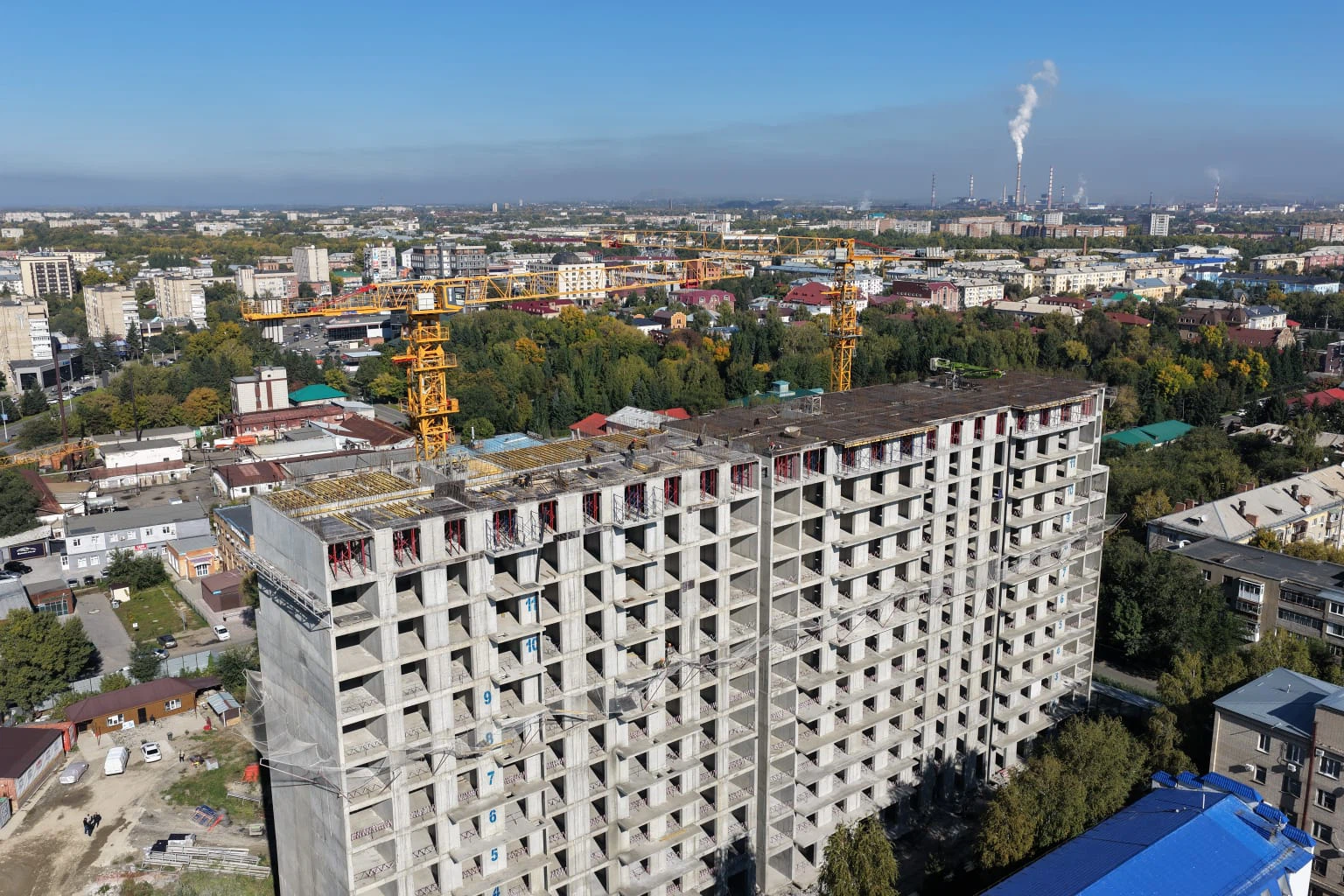
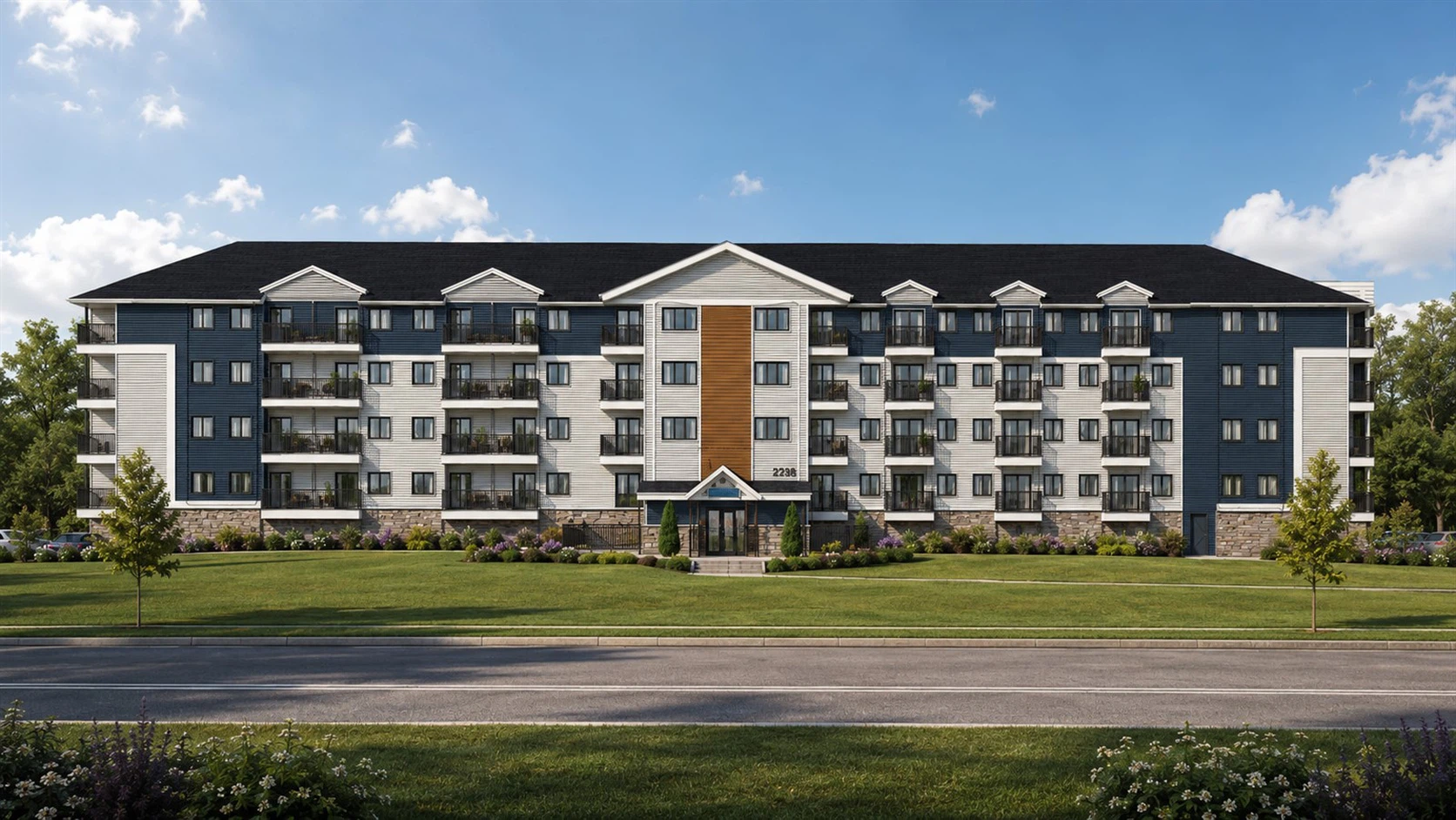
Project Case Studies
We provide one-stop door and window solutions for individual buyers, contractors, renovation companies, and more.
Our address
No. 2 Group, Fumiao Village, Laojun Town, Hantai District, Hanzhong City, Shaanxi Province, China
Phone Number
+86 13335450021
sgl-factory@sgl-doors-windows.com
Hot Tags: curved aluminium casement windows, China curved aluminium casement windows manufacturers, suppliers, factory
| Parameter | Specification |
|---|---|
| Frame Profile | 60 mm or 70 mm thermal break aluminium, CNC roll-bent |
| Minimum Bend Radius (60 mm) | 400 mm |
| Minimum Bend Radius (70 mm) | 500 mm |
| Bend Tolerance | ±1 mm radius; ±0.5° angle |
| Frame Wall Thickness | 1.8–2.0 mm (standard); 2.5 mm (large radius) |
| Thermal Break | PA66 GF25 polyamide, 24–34 mm zone |
| Glass (Single-Curved) | Heat-slumped toughened, radius ±3 mm tolerance |
| Glass (Double-Curved) | Heat-bent in mould, radius ±5 mm tolerance |
| Min Curved Glass Thickness | 6 mm |
| Recommended Thickness (>1,000 mm span) | 8–10 mm |
| IGU Configuration | Curved warm-edge spacer, pre-formed to radius |
| Laminated Curved Glass | Available (6.38–10.38 mm PVB) |
| Max Opening Width (Arched) | 2,400 mm (single unit); unlimited with mullions |
| Max Opening Height (Arched) | 3,000 mm |
| U-Value (Double Glazed) | 1.5–1.8 W/m²K (5–10% higher than straight frames) |
| Hardware | Radial hinges, curved espagnolette rods, 4–6 point lock |
| Air Tightness | Class 3–4 (EN 12207) |
| Water Tightness | Class E600–E900 (EN 12208) |
| Surface Finish | Powder coat RAL/BS; Anodised AA20–25 |
You Might Also Like




Send Inquiry