< img height="1" width="1" style="display:none" src="https://www.facebook.com/tr?id=1883225645885696&ev=PageView&noscript=1" />
Apr 15, 2026 Leave a message

The Complete Guide To Windows For High-Rise Buildings: Standards, Selection & Smart Choices For 2026

Introduction


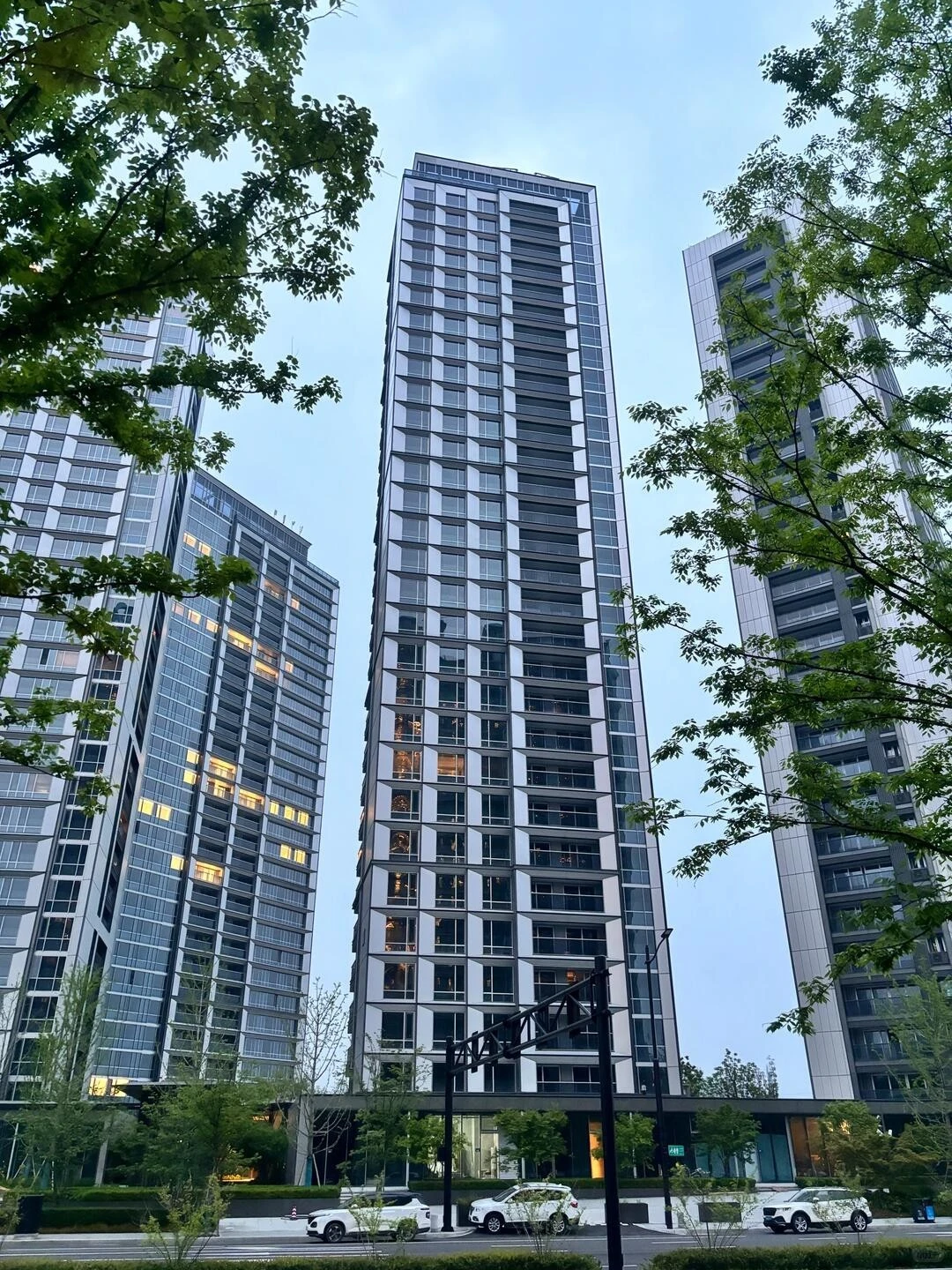
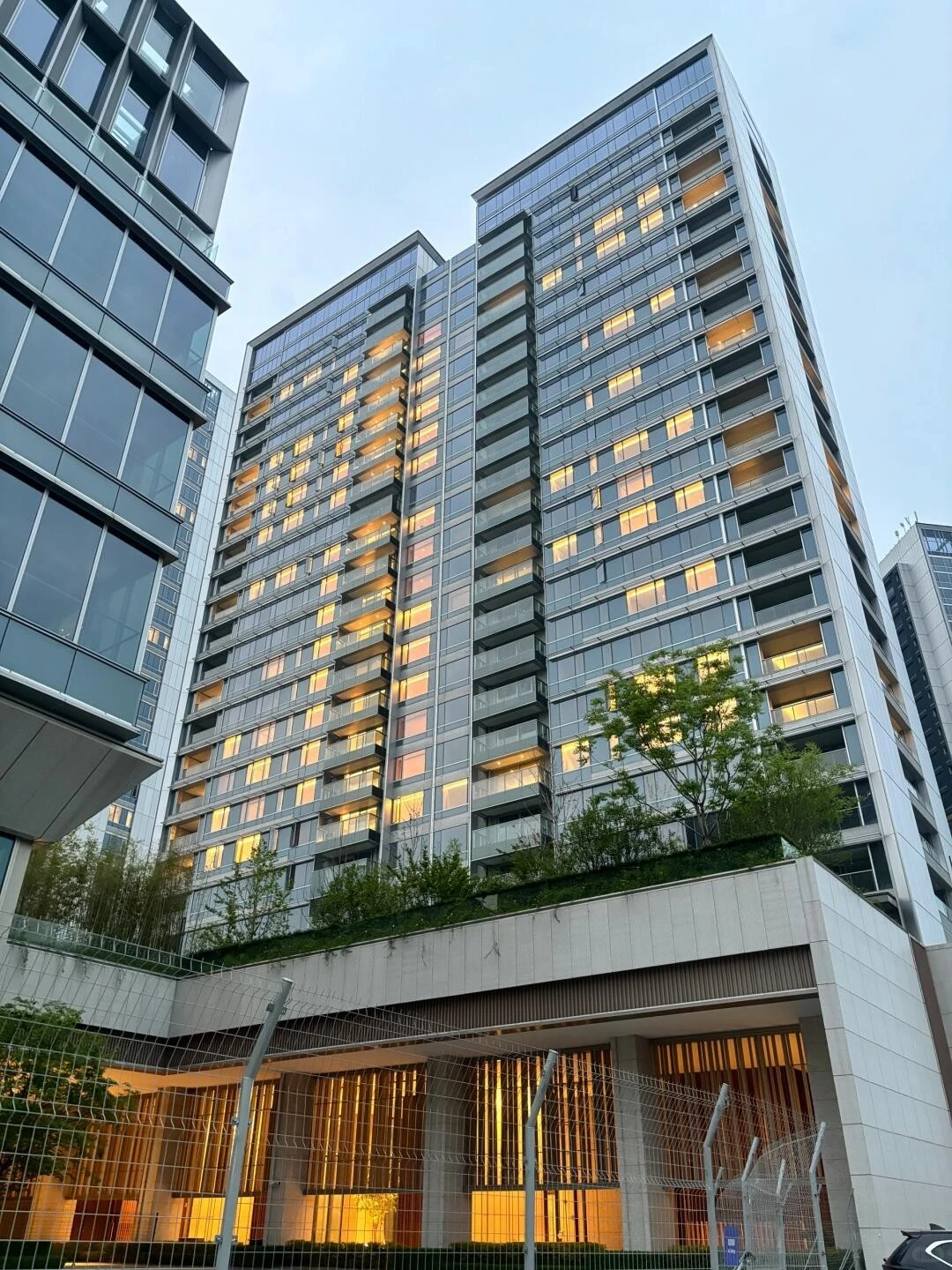
Selecting the right windows for a high-rise building is one of the most critical decisions in any tall structure project. Unlike ground-level construction, windows in multi-story buildings face dramatically different environmental forces: extreme wind pressures at height, significant temperature differentials between floors, increased water penetration risk during storms, and stringent safety and maintenance access requirements.


At SGL Doors & Windows, we've been manufacturing and supplying window systems for high-rise applications across global markets including the United States, Australia, Canada, the UAE, Hong Kong, Singapore, and the Philippines. This guide consolidates our technical expertise into a comprehensive resource for architects, developers, specifiers, and project managers.
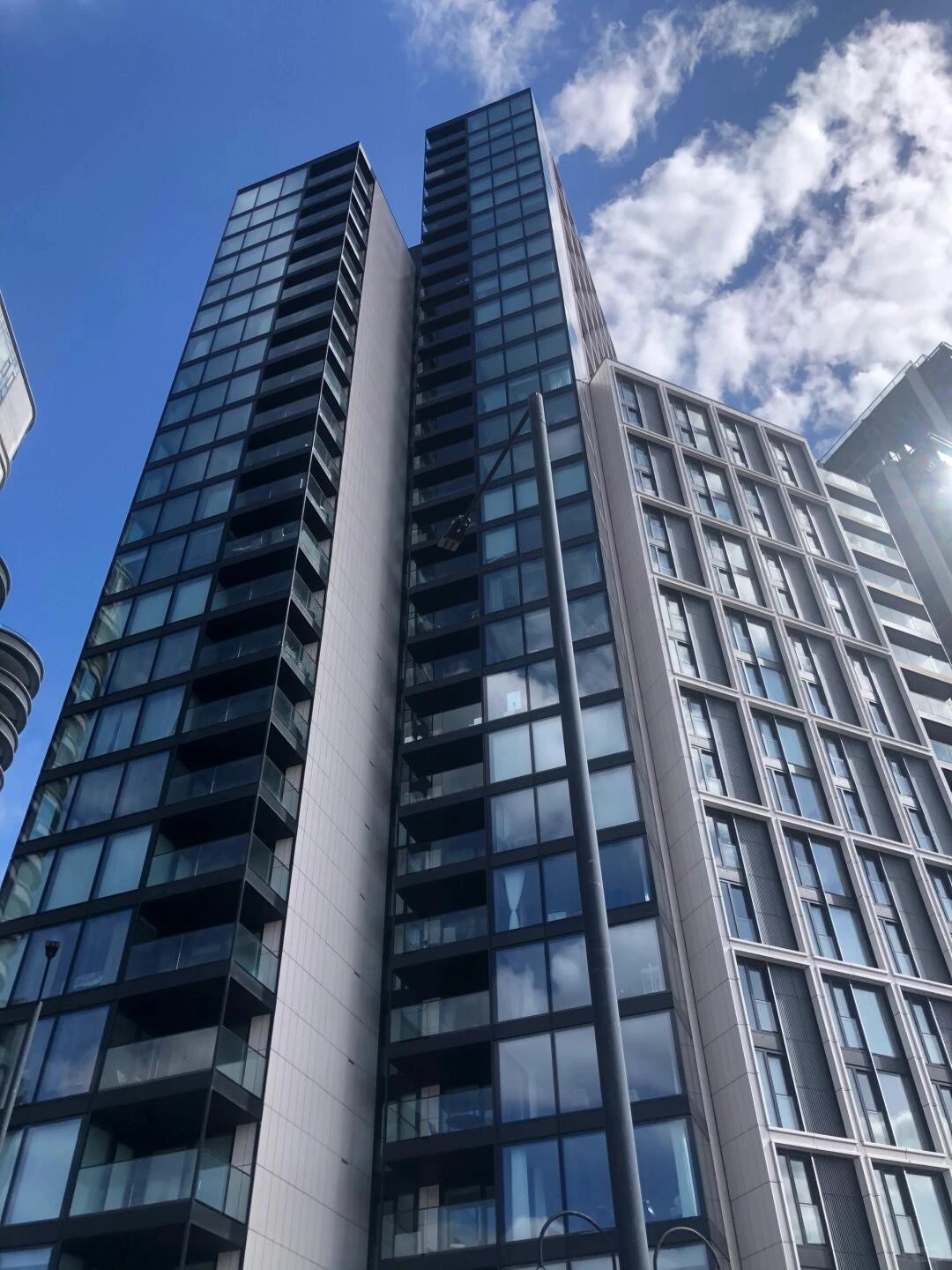
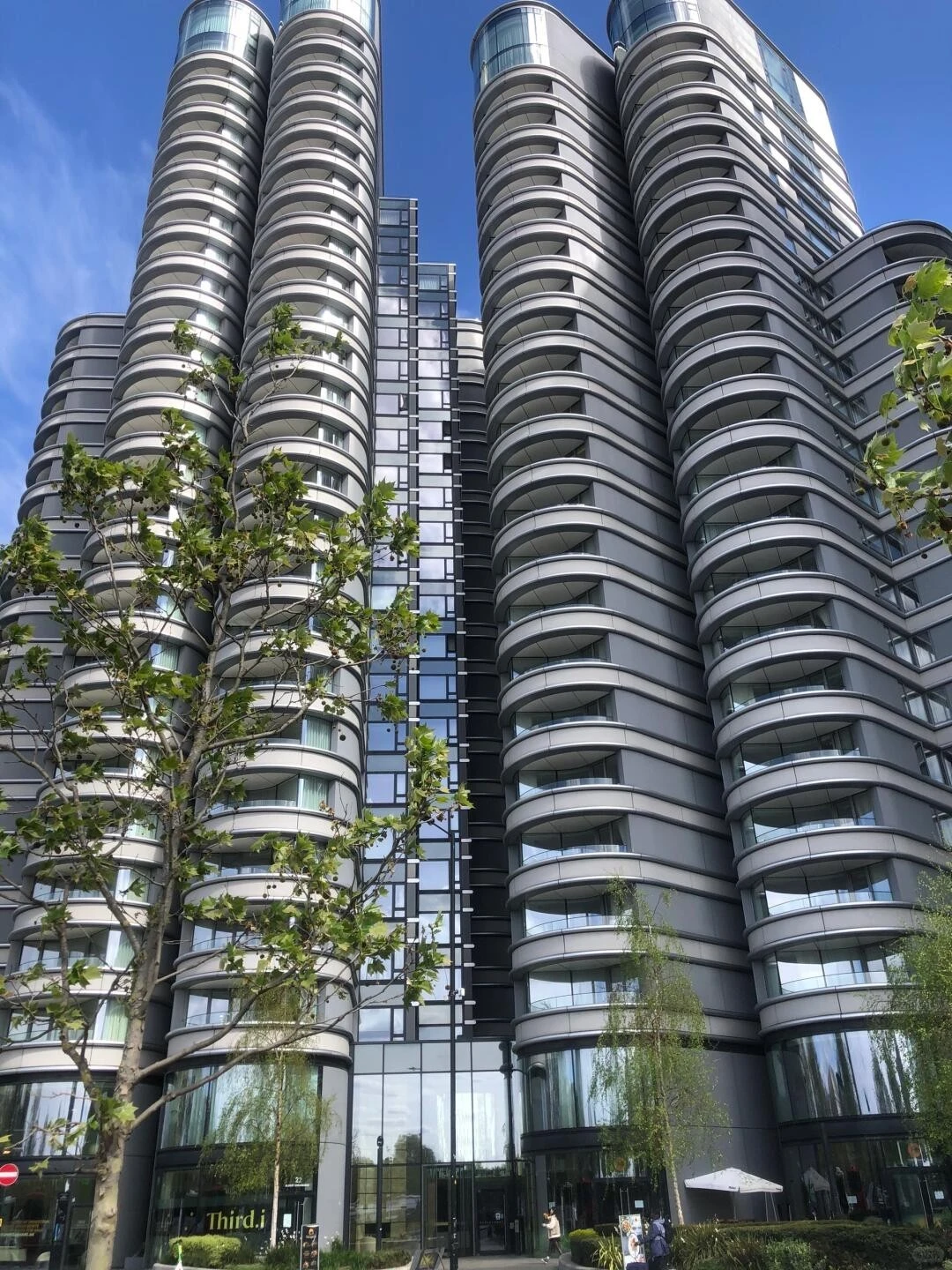
 

Whether you're working on a 15-story residential tower in Miami, a 40-story commercial skyscraper in Dubai, or a mixed-use development in Toronto - this article covers everything you need to know about windows for high-rise buildings in 2026.

news-893-893
news-1024-1024
news-1346-1345
news-1233-1233

Why High-Rise Window Requirements Are Different


High-rise buildings create a unique set of performance demands that standard residential windows simply cannot meet. Understanding these differences is the foundation of proper specification.


The Physics of Height: Wind Load Considerations


As building height increases, wind speed and pressure do not increase linearly. Wind velocity at height follows an exponential profile:


Height Above Ground Approximate Wind Speed Multiplier* Design Pressure Implication
0-10m (Ground-3 stories) 1.0× (baseline) Standard residential rating
10-20m (4-7 stories) 1.1-1.2× Moderate upgrade needed
20-50m (8-16 stories) 1.3-1.5× Enhanced structural required
50-100m (17-33 stories) 1.5-1.9× Commercial/high-performance grade
100m+ (34+ stories) 1.9-2.3×+ Specialized engineering required


*Based on terrain category 2 (suburban) per AS/NZS 1170.2 methodology; actual factors vary by location code.


Key Insight: A window rated for 1500Pa positive/negative pressure at ground level may need to withstand 2500Pa-4000Pa when installed on the upper floors of a 30-story tower. This is why generic window specifications fail in high-rise contexts.


Other Height-Specific Challenges


Challenge Ground Level High-Rise Impact
Water Penetration Gravity-driven rain Wind-driven rain at higher velocities + pressure differential
Thermal Stress Minimal Significant ΔT between interior/exterior causes glass stress
Air Infiltration Minor comfort issue Stack effect creates pressure differences affecting all floors
Maintenance Access Ladder accessible Requires swing-in mechanisms, BMU compatibility, or rope access design
Safety/Fall Protection Standard glazing May require laminated safety glass, fall-out resistance
Acoustic Isolation Traffic noise concern Ambient city noise + wind noise at elevation
Fire Compartmentation Local code requirement Shaft/compartment integrity critical across floor plates


Key Performance Standards for High-Rise Windows


When specifying windows for high-rise projects, familiarity with international testing and certification standards is essential:


North American Standards


Standard Governing Body What It Tests
AAMA/WDMA/CSA 101/I.S.2/A440 AAMA, NWSDA, CSA Air, water, structural (AWR ratings)
ASTM E330 / E1886 ASTM Uniform/static and cyclic wind loading
ASTM E331 ASTM Water resistance under static pressure
NFRC 100/200 NFRC U-factor (thermal), Solar Heat Gain Coefficient
Miami-Dade NOA / Florida Product Approval Miami-Dade County Hurricane/impact zone certification
NTA/ICC-ES Evaluation Report NTA/ICC Third-party compliance verification


International Standards


Standard Region Application
AS2047 (Australia) Australia/NZ Construction of windows in buildings
EN 14351-1 (Europe) EU/UK Performance characteristics of windows/doors
BS 6375 (UK) UK-specific Performance of windows (supplements EN)
UAE Civil Defense / Dubai Municipality UAE/GCC Fire, safety, and weatherproofing approval
CNS (China GB Standards) China/Hong Kong National building material standards


SGL High-Rise Window Certifications


All SGL window systems intended for high-rise applications are tested and certified against applicable regional standards:


AS2047 Certified - Full range tested for Australian conditions
CE Marked - European conformity for EN 14351-1 requirements
NFRC Rated - U-factor and SHGC data for North American energy codes
Miami-Dade / TAS Approved (select products) - Hurricane zone compliance
UAE Civil Defense Approved - Fire-rated and safety-compliant for Middle East projects


Window System Types for High-Rise Applications


Not all window types are equally suited to high-rise installation. Here's how each system performs in tall building contexts:


news-1080-1440

1. Fixed Lite / Picture Windows (Best for High-Rise)

Performance Rating: ★★★★★ for high-rise suitability

Fixed windows offer the best possible air and water tightness because there are no moving parts or seals to compromise. For high-rise facades where ventilation is handled by mechanical HVAC systems or dedicated openings, fixed glazing is often the optimal choice.

Advantages:

  • Superior weather sealing (no operable joints)
  • Highest possible structural load capacity
  • Largest glass sizes achievable
  • Lowest maintenance requirements
  • Most cost-effective per m²

SGL Recommendation: Use fixed lites on upper floors (above 15th story) and exposure faces (windward side). Reserve operable units for lower levels and leeward orientations.


2. Curtain Wall Systems


Performance Rating: ★★★★★ for commercial high-rise


For towers exceeding 20+ stories, especially commercial office buildings, unitized curtain wall systems become the dominant façade solution rather than punched-window approaches.


How Unitized Curtain Walls Work:

  • Pre-assembled floor-to-ceiling panels manufactured off-site
  • Each panel includes frame, glazing, spandrel (if needed), and interior finish
  • Panels are crane-lifted and clipped to the building's structural grid
  • Weather seals formed between panel interfaces using gasket compression

SGL offers:

  • Stick-built curtain wall (for smaller projects or complex geometries)
  • Semi-unitized curtain wall (intermediate option)
  • Full unitized curtain wall systems (for major towers)
news-1080-1080


3. Casement / Awning Windows (Outward Opening)


Performance Rating: ★★★★☆ (with quality hardware)


Casement and awning windows that open outward can work well in high-rise applications because wind pressure actually helps compress the seal tighter when closed - the opposite of inward-opening designs.


Critical Requirements:

  • Restrictor arms or chain winders limiting opening angle (typically max 100-150mm) for fall protection
  • Multi-point locking with minimum 3 locking points around the perimeter
  • Friction stay or hinge hardware rated for the calculated wind load
  • Safety glass (tempered or laminated) as per local building code


SGL Pro Tip: Specify casement windows with projecting sash stays that allow cleaning from inside by reversing the opening direction. This is essential for high-rise residential units where external access is impractical.


news-1080-1080
news-1601-1601

4. Tilt-and-Turn Windows (Dual-Action)


Performance Rating: ★★★★☆


Tilt-and-turn windows offer two modes:

  • Tilt mode: Top-hinged inward tilt (~10-15mm) for secure ventilation
  • Turn mode: Side-hinged full inward opening for cleaning and maximum airflow


Why They Work for High-Rise:

  • Inward opening means all cleaning/maintenance happens from the safe interior side
  • Tilt position provides ventilation without full-opening safety concerns
  • Multi-point perimeter sealing achieves excellent air/water ratings when fully closed
  • Particularly popular in European-style developments and Canadian condominiums


SGL Tilt-and-Turn Range:

  • European-style aluminum tilt-and-turn windows (EN compliant)
  • Thermal break versions for passive house / cold climate projects
  • Available sizes up to 1200mm × 1600mm per sash


news-1080-1440


Related search term: "aluminium tilt and turn windows" (782 impressions/month) - SGL has dedicated product pages for this.


5. Sliding Windows (Horizontal)


Performance Rating: ★★★☆☆ (acceptable with caveats)


Standard sliding windows present challenges in high-rise applications due to:

  • More complex seal paths creating potential leakage points
  • Track debris accumulation harder to clean at height
  • Generally lower air/water test ratings than hinged alternatives


When Sliding Makes Sense in High-Rise:

  • Lower-rise portions of the building (below 10th floor)
  • Protected elevations (leeward side, podium levels)
  • Projects with budget constraints where premium systems aren't feasible
  • Lift-and-slide variants which significantly outperform standard sliding


SGL Lift-and-Slide Solution: Our slim-frame lift-and-sliding door/window system achieves Class 4 air permeability and E900 water resistance - making it viable for mid-rise applications (up to ~15-20 stories on protected facades).


news-1080-1440


Selection Checklist: Specifying High-Rise Windows


Use this checklist when preparing specifications or evaluating products:


Structural Performance ☐

  • Design wind load calculated for each facade zone (corner vs. middle vs. leeward)
  • Positive and negative pressure ratings verified (high-rise negative/suction loads are severe)
  • Deflection limits confirmed (typically L/175 or L/200 for structural glass; L/360 for frames under wind)
  • Inter-story drift accommodation addressed (building movement under seismic/wind must not break glass)
  • Impact resistance if in hurricane/cyclone zone (large missile impact per TAS 201/202 or similar)


Water Resistance ☐

  • Test pressure matches or exceeds design wind pressure (minimum 1.5× safety factor)
  • Water resistance class specified (e.g., Class E600-E900 per EN 12208, or AAMA CW-Pxx rating)
  • Drainage paths designed - weep holes, sill slope, cavity drainage
  • Perimeter flashing details coordinated with cladding/waterproofing contractor


Thermal Performance ☐

  • U-factor (U-value) meets local energy code (varies by climate zone)
  • Solar Heat Gain Coefficient (SHGC) optimized for orientation
  • Thermal break specified for aluminum frames (or use alternative materials)
  • Condensation resistance factor (CRF) acceptable for interior humidity levels
  • Edge spacer type considered (warm-edge spacer improves overall U-value)


Safety & Accessibility ☐

  • Glass type specified: Annealed ❌ / Tempered ✅ / Laminated ✅✅ / Insulated (IGU) with safety inner pane ✅✅
  • Fall prevention: Restrictors, guards, or opening limitations per OSHA/local code
  • Emergency egress: Operable windows meeting clear opening dimensions if serving as egress
  • Accessibility: Operation forces within limits for ADA/DDA/comparable accessibility codes
  • Blasting requirements assessed if near potential threat zones


Maintenance & Durability ☐

  • Cleaning method defined: Swing-clean, BMU-compatible, rope-access anchors, or internal-only
  • Hardware durability: Cycle-tested to minimum 10,000-20,000 operations (minimum 5,000 for low-use areas)
  • Finish warranty: Powder coat (min. 20-year warranty) or anodized (min. 20 years) for coastal/urban environments
  • Gasket/seal lifespan: EPDM gaskets typically 15-25 years; verify replacement access


Regional Code Highlights


Building codes for high-rise windows vary significantly by market. Here's what you need to know for key SGL markets:


🇺🇸 United States (IBC / IRC)

  • IBC Chapter 24: Glass and glazing requirements
  • ASCE 7: Wind load determination (crucial for high-rise)
  • Energy code (IECC / IgCC): U-factor and SHGC mandates by climate zone
  • Local amendments: Florida Building Code (hurricane zones), California Title 24 (energy)
  • SGL Data: US is our largest search market (164 clicks, 50,281 impressions, avg. position 10.8) - significant growth opportunity


🇦🇺 Australia (BCA / NCC)

  • NCC Volume One (Class 2-9 buildings): Performance requirements for high-rise
  • AS2047: Mandatory window performance standard
  • AS/NZS 1170.2: Wind actions
  • AS1288: Glass selection and installation
  • SGL Data: Australia is our best-ranking international market (avg. position 6.5, 50 clicks) - strong brand presence


🇨🇦 Canada (NBC / Provincial Codes)

  • National Building Code (NBC) Division B Part 5: Environmental separation
  • CSA A440 Series: Window standards (air, water, wind, forced entry)
  • Provincial energy codes: Ontario SB-10, BC Energy Step Code, etc.
  • SGL Data: Canada shows strong ranking (avg. position 6.1, 20 clicks) - excellent organic foothold


🇬🇧 United Kingdom (Approved Documents)

  • Approved Document B (Fire Safety): Fire-resistant glazing, compartmentation
  • Approved Document K (Protection from Falling): Limiting window opening, guarding
  • Approved Document L (Conservation of Fuel and Power): U-value requirements (Window Dwelling Rate limit)
  • SGL Data: UK has good click volume (60 clicks) but lower average rank (12.9) - SEO improvement target identified


🇦🇪 UAE / GCC (Dubai Municipality, Abu Dhabi Civil Defense)

  • Dubai Municipal Directive / Green Building Regulations: Sustainability requirements
  • Civil Defense Approval: Fire safety certification mandatory
  • Extreme heat considerations: Solar control glazing, thermal breaks critical
  • SGL Data: UAE ranks well (position 7.4) despite modest click volume - emerging core market


Common Mistakes to Avoid


Drawing from our experience across hundreds of high-rise projects worldwide:


❌ Mistake #1: Using Residential-Grade Products

  1. Problem: Specifying windows tested only to basic residential standards (e.g., NAFS-LC/PG classes) instead of commercial-grade (LC/PF or higher).
  2. Consequence: Seal failure, water infiltration, rattling under wind load, premature replacement.
  3. Fix: Always specify minimum LC-PG35 or equivalent for high-rise applications above 10 stories. For towers over 25 stories, consider LC-PF50+.


❌ Mistake #2: Ignoring Negative (Suction) Pressure

  • Problem: Testing only positive (inward) pressure when high-rises experience severe suction (outward) pressures, particularly at corners and roof parapet zones.
  • Consequence: Glass blow-out risk during storm events; frame detachment from suction loading.
  • Fix: Ensure both positive AND negative pressure ratings exceed design loads. Suction loads can be 1.3-1.8× positive loads at building corners.


❌ Mistake #3: Neglecting Inter-Story Drift

  1. Problem: Not accounting for lateral drift between floor slabs under wind or seismic events.
  2. Consequence: Glass binding in frames, frame damage, seal compromise, potential glass breakage.
  3. Fix: Specify slip-joint or movement-accommodating frame connections, or use curtain wall systems engineered for inter-story drift (typically ½" to ¾" per story capability).


❌ Mistake #4: Overlooking Maintenance Access

  • Problem: Installing operable windows that cannot be safely cleaned or serviced from inside or via BMU.
  • Consequence: Dirty windows degrading aesthetics and performance; failed hardware left unrepaired; safety violations.
  • Fix: During design phase, coordinate with facilities management team. Specify swing-clean mechanisms, internal-access-only operation, or integrate BMU anchor points.


❌ Mistake #5: Value Engineering Down to Non-Compliant Specs

  • Problem: Late-stage cost cutting substitutes tested/certified products with unverified cheaper alternatives.
  • Consequence: Code non-compliance, insurance coverage issues, liability exposure, rework costs far exceeding initial savings.
  • Fix: Maintain a baseline performance specification that cannot be value-engineered below code-minimum thresholds. SGL's factory-direct model often delivers better specs at competitive prices without compromising compliance.


SGL High-Rise Project Portfolio Highlights


We've supplied windows and doors for high-rise and mid-rise projects globally. Here are representative examples:


Project Type Location SGL Products Supplied Stories Notes
Luxury Residential Tower Dubai, UAE Aluminum curtain wall + tilt-and-turn 35 Passive house-level thermal performance
Beachfront Condominiums Gold Coast, AU Hurricane-rated bi-fold + impact windows 18 Cyclone-rated to Region C
Mixed-Use Development Toronto, CA Thermal-break aluminum windows + lift-and-slide 22 Ontario Building Code compliance
Office Tower Retrofit Manila, PH Aluminum curtain wall replacement 28 Seismic-drift accommodated
Student Housing Manchester, UK UPVC tilt-and-turn + fire-rated steel windows 12 Approved Document B compliant
Hotel Renovation Singapore Slim-frame aluminum windows + glass doors 15 BCA Green Mark aligned


How SGL Supports Your High-Rise Project


When you partner with SGL Doors & Windows for your high-rise window requirements, you gain:


🔬 Technical Support

  • Free specification review - Send us your architectural drawings and performance requirements; our engineering team will recommend optimal systems
  • Wind load calculations - We can assist with preliminary wind pressure determinations based on building height, location, and exposure category
  • Detail drawing preparation - CAD drawings, section details, and installation guides provided with every order
  • Code compliance documentation - Test reports, certifications, and compliance declarations for permit submission


🏭 Manufacturing Advantages

Direct-from-factory pricing - No distributor markups; competitive even against local manufacturers

Flexible customization - Custom colors, sizes, configurations without premium surcharges

Quality assurance - ISO 9001-certified production process with in-line QC at every stage

Scalable capacity - Capable of delivering 500+ units per project with consistent lead times


🌍 Global Delivery

Export experience - Shipments to 30+ countries; familiar with customs, logistics, and import requirements

Packaging standards - Export-grade crating and container loading for damage-free arrival

Project coordination - Dedicated project manager for orders exceeding $50,000 value


Conclusion


Selecting windows for high-rise buildings requires balancing multiple performance dimensions - structural strength, weather resistance, thermal efficiency, safety, maintainability, and cost. There is no universal "best" window for every situation, but there is always an optimal choice for your specific project parameters.


The key takeaways:

  1. Never default to standard residential specifications - high-rises demand enhanced performance ratings
  2. Test for both positive AND negative pressure - suction loads at height are severe and frequently overlooked
  3. Plan for maintenance from day one - cleaning and service access should inform product selection
  4. Engage your manufacturer early - SGL provides free technical consultation that can prevent costly late-stage changes
  5. Verify certifications match your jurisdiction - Australian AS2047 ≠ US AAMA ≠ European CE; ensure alignment


Ready to discuss your high-rise project? Contact SGL's technical sales team for a no-obligation consultation. We'll help you navigate specifications, select the right systems, and deliver certified, high-performance windows on time and on budget.


FAQ

Q: Q1: What wind pressure rating do I need for a 20-story building?

A: A: This depends heavily on geographic location, terrain, building shape, and the specific facade zone. As a general guideline for a 20-story building in a non-coastal urban area, expect design pressures ranging from 1,500–3,000 Pa for mid-height floors, increasing to 2,500–4,500 Pa for upper floors and corner zones. Always engage a structural engineer for site-specific calculations. SGL can provide preliminary guidance based on your project location.

Q: Q2: Can I use the same windows throughout the entire high-rise building?

A: A: It's common practice to zone the facade into 2-3 specification tiers: a premium tier for upper/exposed floors (higher wind/water ratings), a standard tier for mid-levels, and potentially a different system for the podium/retail base. This optimizes cost while ensuring adequate performance where it matters most.

Q: Q3: What's the difference between curtain wall and window wall for high-rise?

A: A: Curtain wall spans floor-to-floor (or multiple floors) as a continuous façade system, typically hung from the slab edge. Window wall (also called punched window or strip window) installs within the floor slab opening, with the surrounding structure (spandrel/cladding) separate. Curtain wall is preferred for towers >20 stories due to better water/air performance and aesthetic continuity. Window wall is more economical for mid-rise (5-15 stories).

Q: Q4: Do I need laminated glass for high-rise windows?

A: A: Many jurisdictions mandate laminated safety glass for high-rise applications, either throughout or for specific conditions (e.g., glass adjacent to balconies, corridors, or above certain heights). Laminated glass provides: (a) retention if broken (prevents falling glass hazard), (b) security/burglary resistance, and (c) acoustic benefits. Check your local building code and consult SGL for market-specific requirements.

Q: Q5: How does SGL's pricing compare to local suppliers for high-rise projects?

A: A: As a direct-from-manufacturer supplier based in China, SGL typically delivers 20-40% cost savings versus locally-manufactured equivalents of comparable specification - even after factoring shipping and import duties. Our products carry the same international certifications (AS2047, CE, NFRC, etc.) and undergo identical third-party testing. We've successfully supplied high-rise projects in Australia, Canada, the UAE, USA, and beyond with consistent quality and delivery performance.

Q: Q6: What is the typical lead time for high-rise window orders?

A: A: For standard products: 20-30 working days from approved shop drawings. For custom curtain wall or specialized systems: 35-50 working days. For urgent projects, we can expedite by holding common profiles in advance stock. Large-scale projects (>200 units) benefit from phased delivery schedules aligned with the construction program.

About SGL Doors & Windows


SGL Doors & Windows is a premier manufacturer of aluminum windows and doors, UPVC/PVCu systems, steel windows, composite doors, and curtain wall systems. With ISO 9001 certification and products tested to AS2047, CE, NFRC, and UAE Civil Defense standards, SGL serves developers, architects, and contractors across 30+ countries from our advanced manufacturing facility in China.


Certifications: ISO 9001 | AS2047 | CE | NFRC | Miami-Dade NOA (selected lines) | UAE Civil Defense
Markets Served: USA, UK, Australia, Canada, UAE, Singapore, Philippines, South Africa, Nigeria, and more
Website: https://www.sgl-doors-windows.com
Contact for High-Rise Projects: Request Technical Consultation



Tags: high rise building windows, high-rise window requirements, windows for high rise buildings, curtain wall systems, tall building fenestration, wind load rated windows, commercial window specifications, SGL windows, aluminum curtain wall, AS2047 windows, hurricane-rated windows

Send Inquiry

whatsapp

Phone

E-mail

Inquiry