As of the morning of July 10, 2026, Typhoon Bavi had weakened from super typhoon strength but remained a serious storm system moving toward China's eastern coast. For coastal homeowners, property managers, hotel operators, contractors, and project teams, the priority now is not a last-minute "hack." It is a practical inspection of windows, doors, balconies, drainage paths, and loose outdoor objects before strong wind and heavy rain arrive.
One question is already spreading again on social media: should you tape a large "X" or "米" pattern across your windows before a typhoon? The short answer is no, tape does not strengthen glass or stop windborne debris from breaking a window. At most, tape may reduce some small fragments after glass has already broken. Real protection comes from properly specified windows and doors, reliable hardware, correct installation, closed and locked sashes, clear drainage, and, where needed, storm shutters or protective boards.

Key Takeaways
- Typhoon Bavi, also named Inday in the Philippines, has affected the northern Philippines and the western Pacific before moving toward China's eastern coast.
- Coastal areas around Fujian, Zhejiang, the Taiwan Strait, the East China Sea, the Yangtze River Estuary, Hangzhou Bay, and Shanghai should monitor wind and rain warnings closely.
- Taping windows in an "X" or "米" pattern is not structural reinforcement and should not be treated as typhoon-proofing.
- Before the storm arrives, check window locks, door hardware, drainage holes, sealant, cracked glass, balcony items, and safe indoor shelter areas.
- For coastal building projects, wind load, water tightness, glass type, hardware, frame system, and installation details should be reviewed together. Product performance claims require project-level validation.
How Has Typhoon Bavi Affected Southeast Asia and the Western Pacific?
Typhoon Bavi did not become a China-coast risk in isolation. In the Philippines, the storm was monitored by PAGASA under the local name Inday. PAGASA's July 10 updates described Inday, internationally named Bavi, as moving northwest over the sea east of Batanes while continuing to weaken, with rainfall concerns also tied to the Southwest Monsoon.
That matters for Southeast Asia because a typhoon's impact is not limited to its final landfall point. Northern Philippines sea areas, the Batanes region, shipping lanes, fishing activity, and exposed coastal communities can face rough seas, gusty winds, and rainfall even when the storm center stays offshore. For exporters, building-material suppliers, and coastal construction teams, disruption can also appear as shipping delays, port restrictions, temporary work stoppages, and the need to secure stored materials.
Bavi also affected the wider western Pacific. The U.S. Coast Guard reported post-Bavi assessments in Guam and the Northern Mariana Islands, including port closures and checks after the storm's passage. This wider footprint is a reminder for China's coast: do not focus only on the center line. Wind radius, outer rainbands, sea conditions, and local terrain can all change the actual risk on the ground.
What Risks Does Bavi Bring to China's Coastal Regions?
China Weather, citing the National Meteorological Center's July 10 morning warning, reported that Bavi had weakened to severe typhoon level but still carried strong winds as it moved northwest. The forecast said the storm was expected to approach the Fujian-Zhejiang coast and could make landfall between Fuqing, Fujian and Wenling, Zhejiang on the night of July 11, with typhoon or severe typhoon strength still possible at landfall.
The wind risk is broader than the exact landfall zone. Forecast areas included the Bashi Channel, Taiwan Strait, waters east of Taiwan, much of the East China Sea, waters near the Diaoyu Islands, southern Yellow Sea, northeastern South China Sea, coastal Taiwan, coastal Fujian, coastal Zhejiang, the Yangtze River Estuary, Hangzhou Bay, and coastal Shanghai.
For buildings, these winds can expose weak points fast: unlocked casement windows, sliding tracks blocked by debris, loose handles, aging gaskets, cracked glass, poorly fixed outdoor shading, balcony items, and temporary signs or construction materials near openings.
Rain is the second major concern. China Meteorological Administration bulletins warned that Bavi and the Southwest Monsoon could bring heavy to torrential rainfall across Taiwan, eastern China, northern China, northeastern China, and parts of northwestern China. Xinhua also highlighted the risk of secondary disasters such as flooding, urban waterlogging, mountain torrents, and landslides in exposed areas.
For a home, shop, hotel, or construction site, those risks often become very practical problems: water leaking around a window frame, a balcony door being pushed open by pressure, glass being hit by flying debris, blocked drainage causing frame overflow, or outdoor objects becoming hazards in strong wind.
Does Taping Windows Help During a Typhoon?
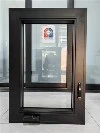
The image reference behind this article makes one useful point: people often tape windows not because tape truly makes the glass stronger, but because they hope it will reduce flying shards if glass breaks. That distinction is important.
The U.S. National Weather Service recommends covering all home windows before a hurricane, with permanent storm shutters as the best protection and properly fitted exterior-grade or marine plywood as a second option. In other words, the recommended approach is to protect the opening and block debris, not to rely on strips of tape on the glass surface.
Storm-safety experts have also warned for years that taping windows does not protect the glass and may leave larger, more dangerous shards if the pane breaks. For website publication, the safest wording is this:
Tape is not a typhoon-proofing measure. It may only offer limited fragment control after breakage, and it cannot replace storm shutters, protective boards, compliant windows and doors, correct installation, or staying away from exposed glass.


A Practical Window and Door Checklist Before Bavi Arrives
Start with the basics: close and lock every window and exterior door. Many storm problems begin when a sash is not fully locked, a sliding track contains debris, or a casement handle is not pressed into the sealed position. Do not leave windows partly open for ventilation during strong wind.
Clear drainage holes and tracks. During wind-driven rain, water can build up quickly at the outer side of a frame. If drainage holes are blocked by dust, mud, leaves, or construction residue, water may overflow into the room. Pay special attention to balcony sliding doors, large glazed openings, low-floor units, and wind-facing elevations.
Check glass condition. Any pane with existing cracks, chipped corners, visible movement, or previous leakage should be treated as higher risk. Do not assume tape will make damaged glass safe. Move people away from that window and, where conditions allow, arrange professional repair or temporary protection.
Remove or secure outdoor items. Flowerpots, laundry poles, tools, temporary boards, advertising signs, loose shading parts, and construction materials can become windborne debris. For communities and job sites, clearing objects outside the window is often more effective than taping the glass.
Plan the safest indoor area. During strong wind, do not stand beside floor-to-ceiling windows, balcony doors, shopfront glass, or bay windows to watch the storm. Stay in an interior room away from wind-facing glass and follow local emergency management instructions if evacuation or shelter guidance is issued.
For Coastal Projects, Window Safety Is More Than Glass Thickness
For developers, contractors, distributors, and coastal property owners, Bavi is also a reminder that window and door performance is a system issue. Glass thickness matters, but it is only one part of the system. Frame material, profile design, hardware, locking points, gasket quality, drainage, installation joints, waterproofing details, and wall openings all affect performance.

Before selecting windows and doors for a coastal project, include these questions in the technical discussion:
- What wind-load, water-tightness, and air-tightness requirements apply in the project location?
- Do large fixed windows, floor-to-ceiling units, corner windows, balcony doors, or high-rise wind-facing elevations need separate review?
- Should the project use tempered glass, laminated glass, insulated laminated glass, or another specified glass build-up?
- Are hinges, rollers, handles, locks, and frame-sash connections suitable for strong wind, heavy rain, and frequent use?
- Have installation gaps, sill flashing, drainage routes, and wall interfaces been reviewed by qualified professionals?
SGL Doors & Windows product pages can be used as starting points for project selection, including aluminum windows, glass windows, and
aluminum doors. For coastal homes, hotels, apartments, or commercial projects, use customization support to confirm material, glass, hardware, testing, and installation requirements based on the project location.
Specific wind-pressure ratings, water-tightness ratings, certifications, lead times, and market availability are requires validation items and should be confirmed through project documents and formal supplier communication.


FAQ
Has Typhoon Bavi made landfall in China?
As of the morning public forecast on July 10, 2026, Bavi was still approaching the Fujian-Zhejiang coast. Forecasts indicated possible landfall between Fuqing, Fujian and Wenling, Zhejiang on the night of July 11. Storm tracks can change, so check the latest National Meteorological Center and local weather warnings before publishing or acting on this information.
Can an "X" tape pattern stop window glass from breaking?
No. Tape does not significantly increase glass strength and cannot stop windborne debris from breaking a pane. At most, it may reduce some fragment scatter after breakage. It should not replace storm shutters, protective boards, compliant windows and doors, or staying away from exposed glass.
Which windows should be checked first before a typhoon?
Prioritize wind-facing windows, large floor-to-ceiling glass, balcony doors, high-rise openings, older windows, and any glass with cracks or previous leakage. Commercial properties should also check glass doors, door closers, floor springs, signboards, and temporary outdoor fixtures.
What are the top three actions before strong wind arrives?
Close and lock all windows and exterior doors, remove loose outdoor objects, and keep people away from cracked or wind-facing glass. If local authorities issue evacuation or shelter instructions, follow those instructions first.
Sources and Notes
- China Weather / National Meteorological Center typhoon warning, accessed July 10, 2026: https://news.weather.com.cn/2026/07/4710484.shtml
- China Meteorological Administration weather bulletin, accessed July 10, 2026: https://weather.cma.cn/web/channel-3780.html
- Xinhua analysis on Bavi impacts, accessed July 10, 2026: https://www.news.cn/politics/20260709/5dd00751b529448a95f3aa6b21fd7a95/c.html
- PAGASA Typhoon Inday/Bavi information, accessed July 10, 2026: https://www.pagasa.dost.gov.ph/
- U.S. Coast Guard post-Bavi assessments in Guam/CNMI, accessed July 10, 2026: https://www.news.uscg.mil/Press-Releases/Article/4534129/us-coast-guard-continues-post-bavi-assessments-in-guam-and-cnmi-ports-remain-cl/
- U.S. National Weather Service hurricane action guidance, accessed July 10, 2026: https://www.weather.gov/safety/hurricane-action
- Supporting context on the window-tape myth from CBS News / National Hurricane Conference reporting, accessed July 10, 2026: https://www.cbsnews.com/news/hurricane-experts-stop-taping-windows-storms/