


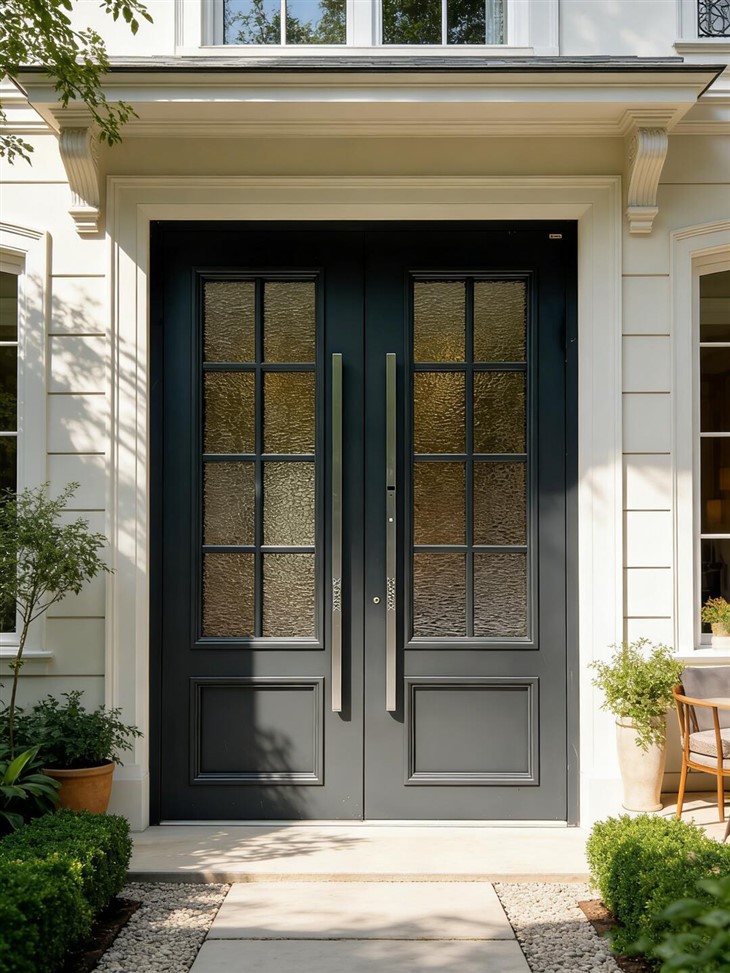


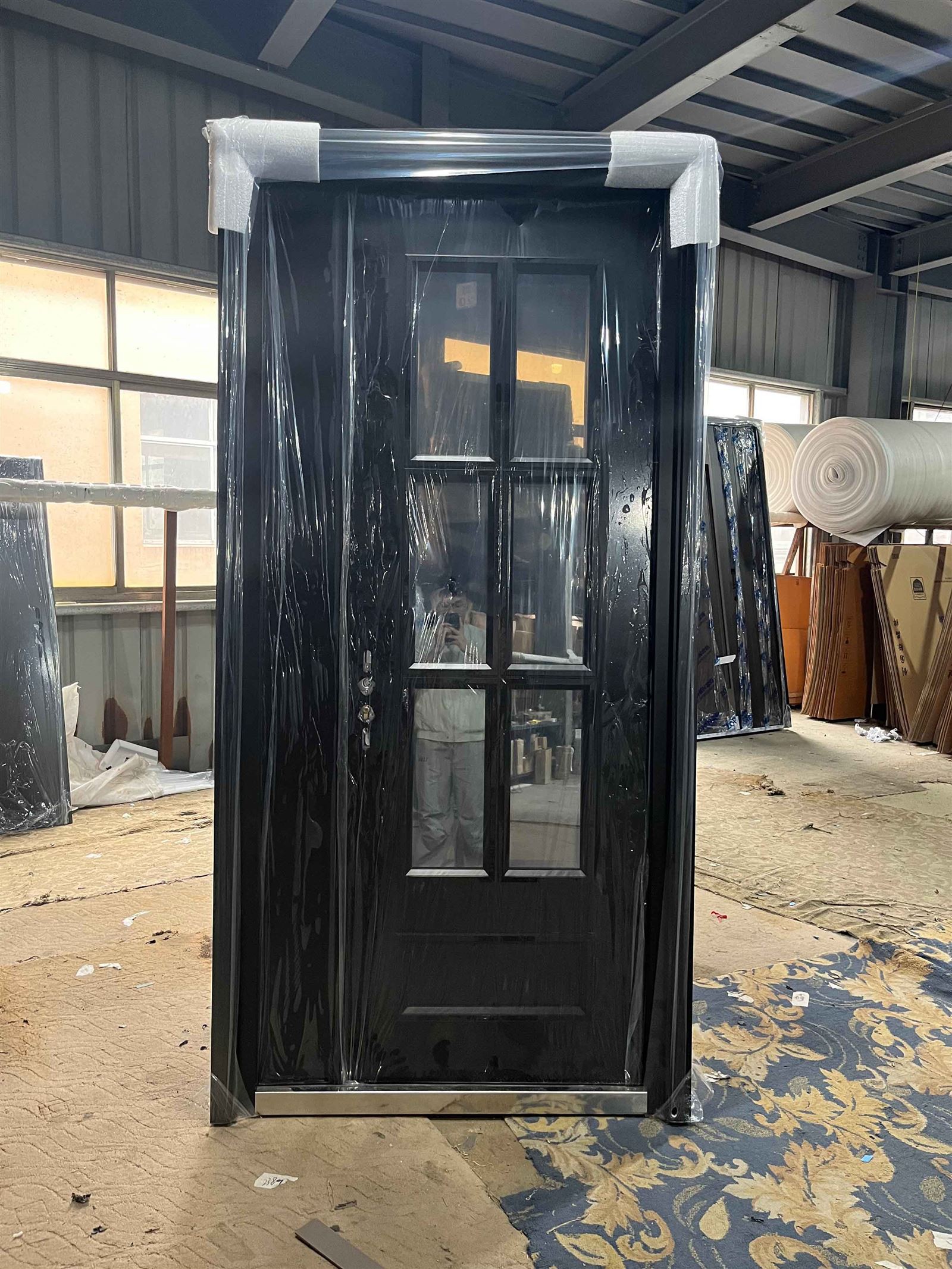
Steel Entry Doors With Glass
Shaanxi SGL Doors&Windows Technology Co., Ltd. is one of the most reliable manufacturers and suppliers of steel entry doors with glass in China, also supports customized service. Please feel free to wholesale high quality steel entry doors with glass for sale here from our factory. If you have any enquiry about pricelist and quotation, please feel free to email us.
Steel Entry Doors with Glass - When Security Meets Daylight
Steel entry doors with glass combine structural security with natural daylight. The key is matching the glass specification to the project's security, thermal, and aesthetic requirements.

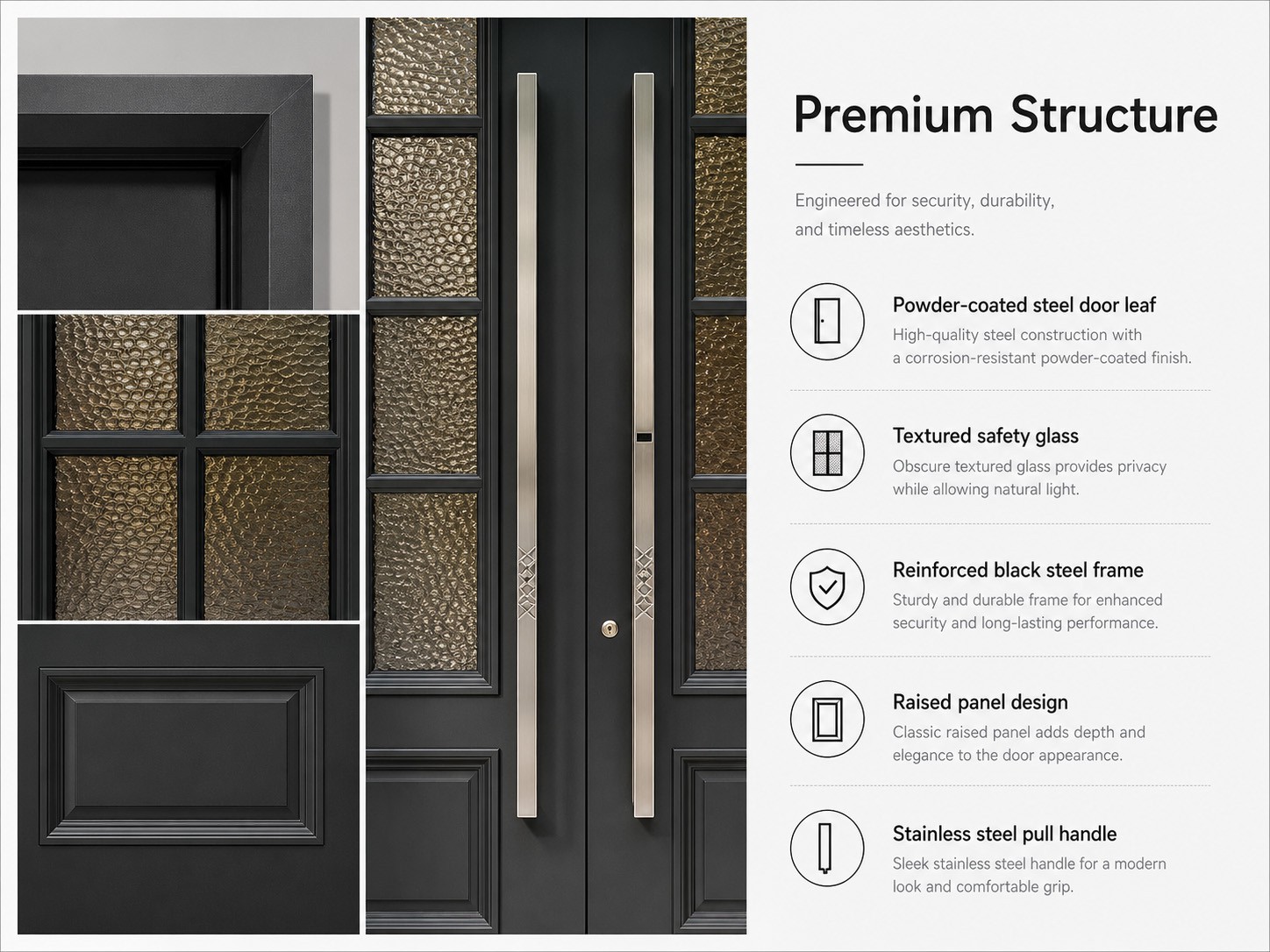
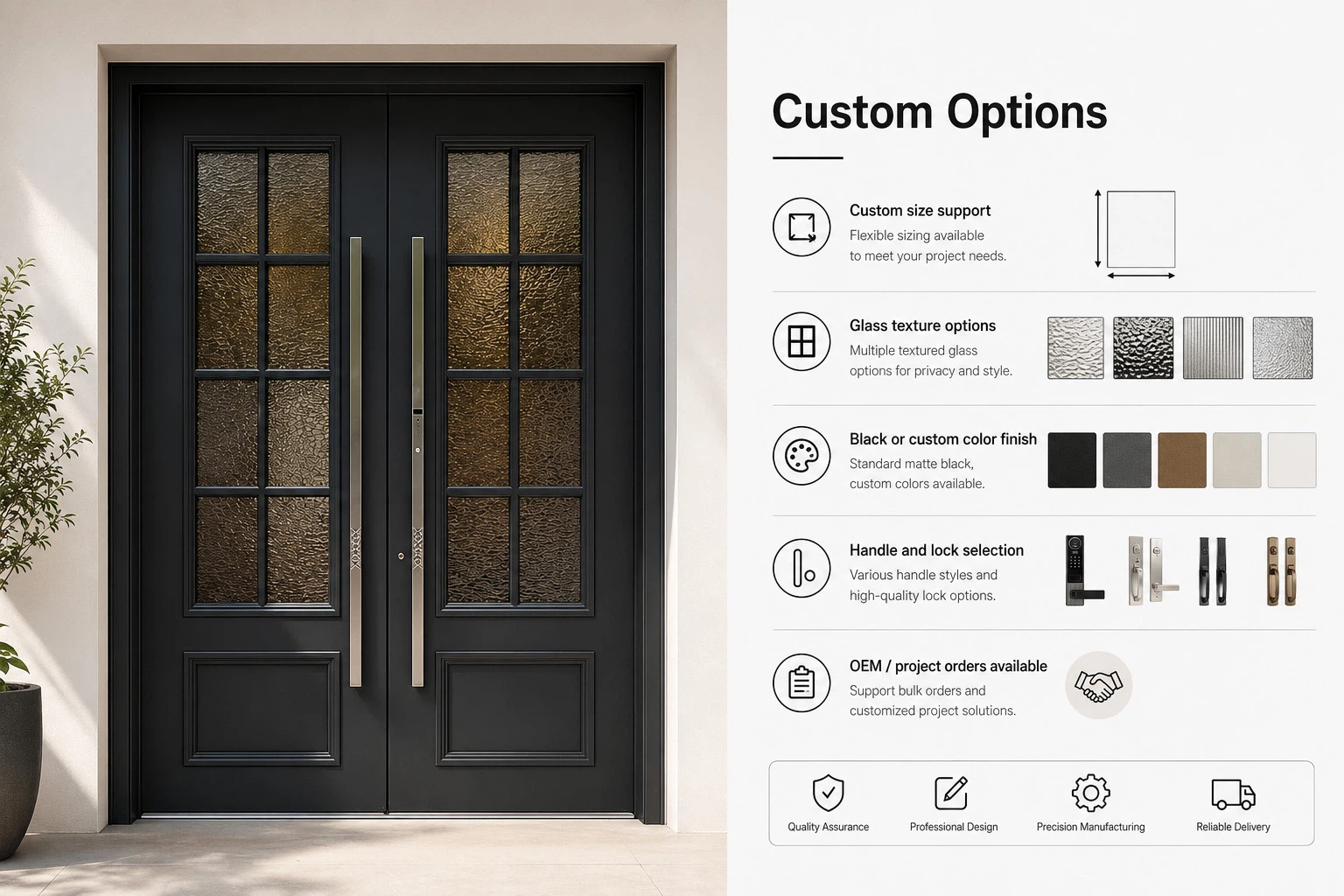
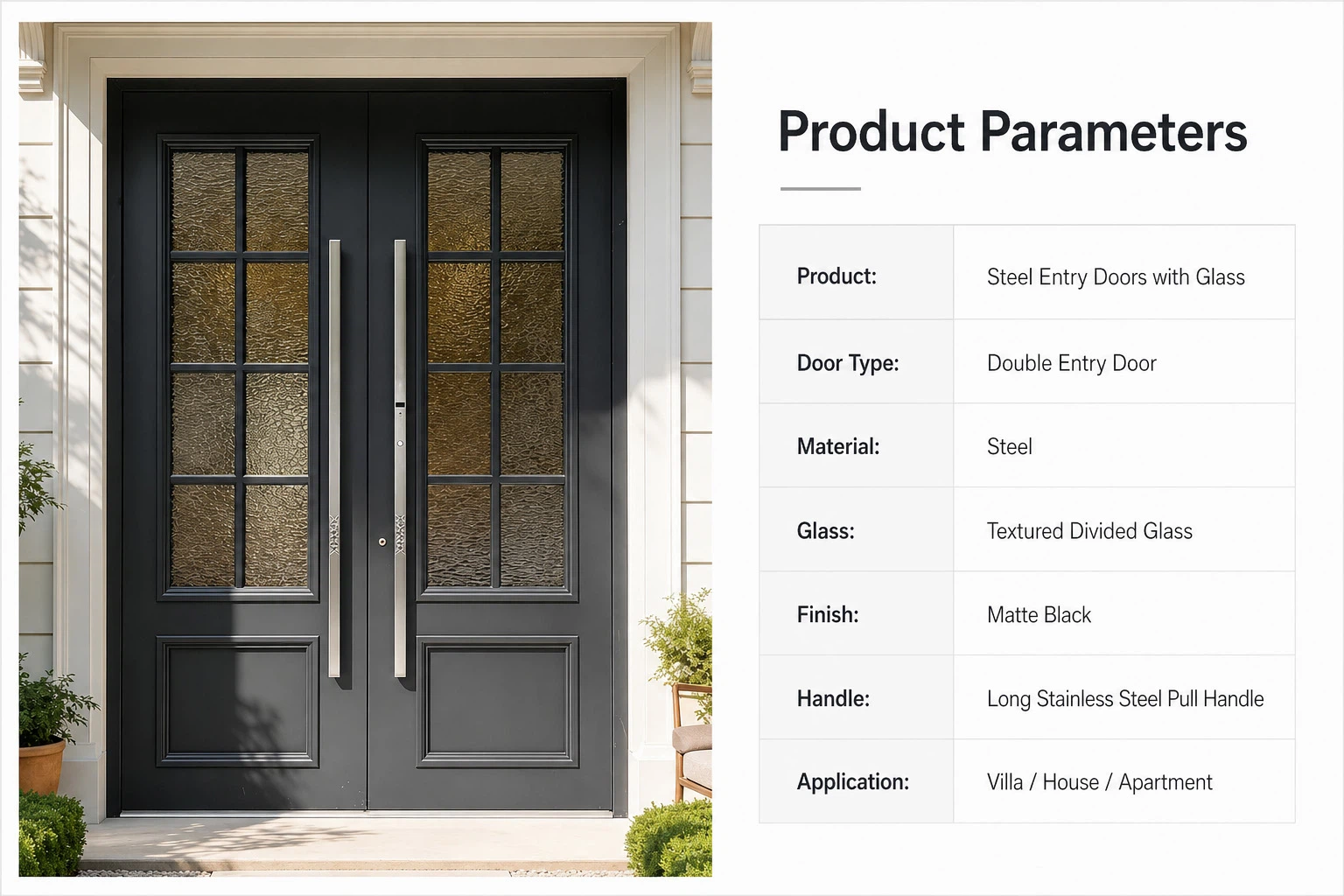
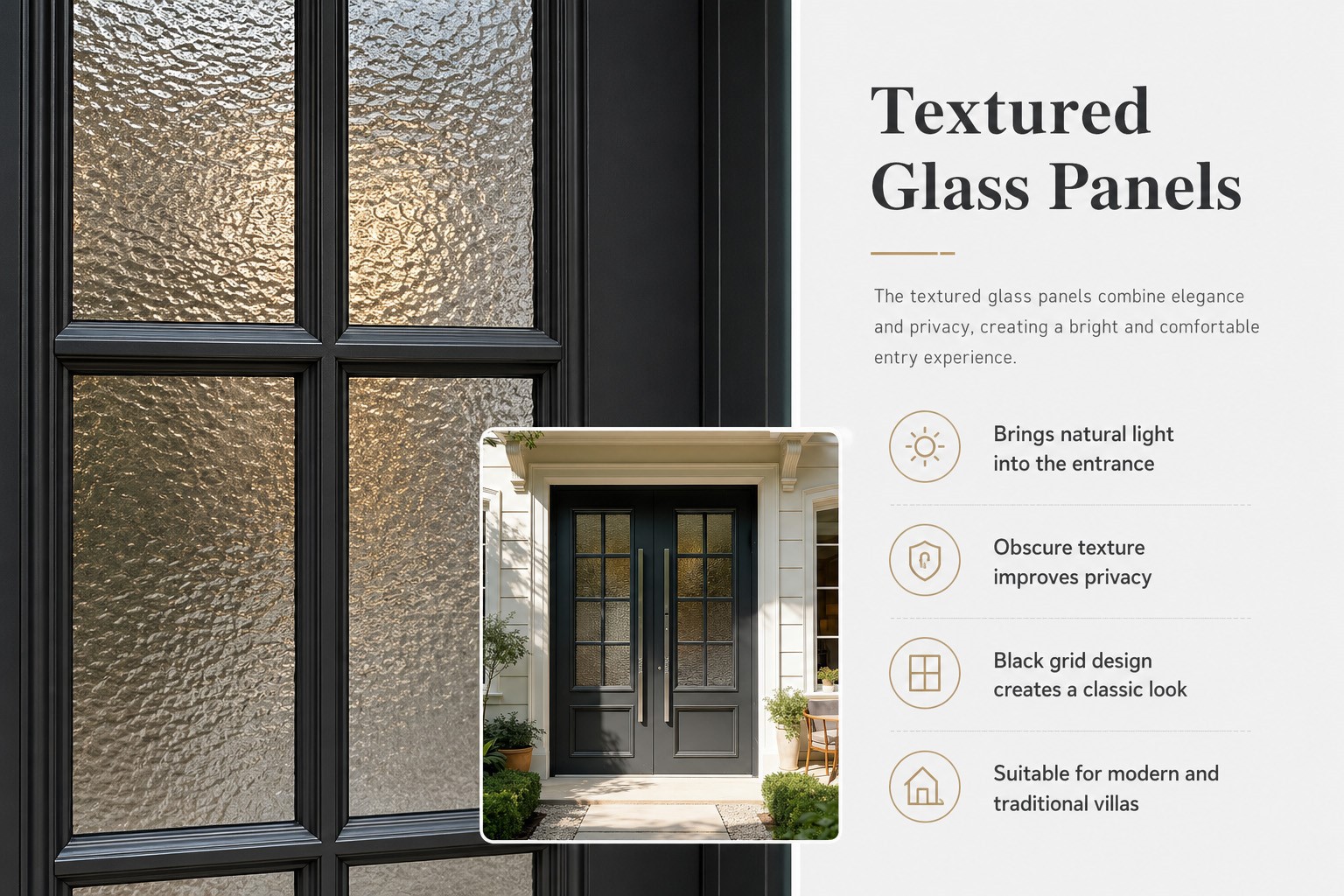

Product Parameters
| Parameter | Specification |
|---|---|
| Frame material | Galvanized steel, 1.5–2.0mm |
| Steel skin | 0.8–1.2mm galvanized steel |
| Standard sizes | 900×2100mm, 1000×2100mm, 1200×2100mm |
| Max dimensions | 1500×3000mm (custom engineering required) |
| Glass options | Single / Double / Triple glazed |
| Standard glass | 6+6mm toughened laminated |
| U-value (double glazed) | 1.2–1.8 W/(m²·K) |
| U-value (triple glazed) | 0.8–1.2 W/(m²·K) |
| Security rating | RC2–RC4 per EN 1627 |
| Fire rating | EI 30–EI 120 available |
| Frame finish | Powder coat, full RAL range |
Glass Types
- Laminated glass (6.38mm–12.76mm) - Two or more glass layers with PVB/SGP interlayer. Holds together when broken. Standard for security applications.
- Tempered glass - Heat-treated for strength. Breaks into blunt fragments. Used where safety codes require it.
- Toughened laminated - Combines both benefits. Our default specification for commercial and multi-unit residential.
- Polycarbonate-core - For high-security environments. Greater impact resistance than glass alone.
Thermal Performance
Glass is the thermal weak point. Even with insulated glazing, glazed doors won't match solid door U-values.
- Single glazing: 5.0+ W/(m²·K) - Not recommended for exterior doors
- Double-glazed (low-E, argon): 1.2–1.8 W/(m²·K) - Standard for most projects
- Triple-glazed: 0.8–1.2 W/(m²·K) - For low-energy buildings
Thermally broken steel frames prevent thermal bridging at the glazing perimeter. Without this, condensation forms at the glass edge.
Design Configurations
- Full-height glazing - Maximum daylight. Requires structural engineering for weight loads.
- Partial glazing - Window in upper door section. Maintains solid steel in vulnerable lower section.
- Side panels and transoms - Extend glazed area beyond door leaf. Fixed panels are simpler than operable.
- Steel mesh behind glass - Additional security layer. Common in commercial applications.
Project Example: Warsaw University Campus
2024 residence hall project with competing requirements: RC3 anti-burglary rating, specific U-value targets, and welcoming entrances.
Solution:
- Thermally broken steel frames
- Double-glazed units with 6+6mm laminated inner pane
- Tempered outer pane for impact resistance
- Low-E coating, argon fill
- RAL 7016 anthracite grey finish
Early coordination between architect, security consultant, and our team ensured the specification was achievable before finalization.
Common Specification Errors
- Vague glass specs. "Decorative glass" or "safety glass" without type specification leads to problems. Always specify laminated, tempered, or combined explicitly.
- Ignoring frame thermal break. Creates thermal bridge at glazing perimeter. Causes condensation regardless of glass U-value.
- Hardware mismatch. Standard steel door: 40–50 kg. Add double glazing: 80+ kg. Standard hinges won't handle this.
- No maintenance access. Glass breaks. Specify accessible glazing beads for field replacement.
Security and Fire Integration
Anti-burglary (EN 1627 RC2–RC4): Glass must resist defined attack methods. Laminated glass of sufficient thickness, properly retained.
Fire ratings (EI 30–EI 120): Requires fire-rated glazing and intumescent seals. Not all laminated glass is fire-rated.
When both are required, involve our technical team early.
Customization Options
- Dimensions: Standard to 1500×3000mm. Larger requires engineering review.
- Glass: Clear, low-E, solar control, tinted, obscure.
- Colors: Full RAL range. Heritage color matching available.
- Hardware: European/Asian brands, electronic locks, panic hardware.
- Shapes: Rectangular, arch-top, circular portholes.
Product Application
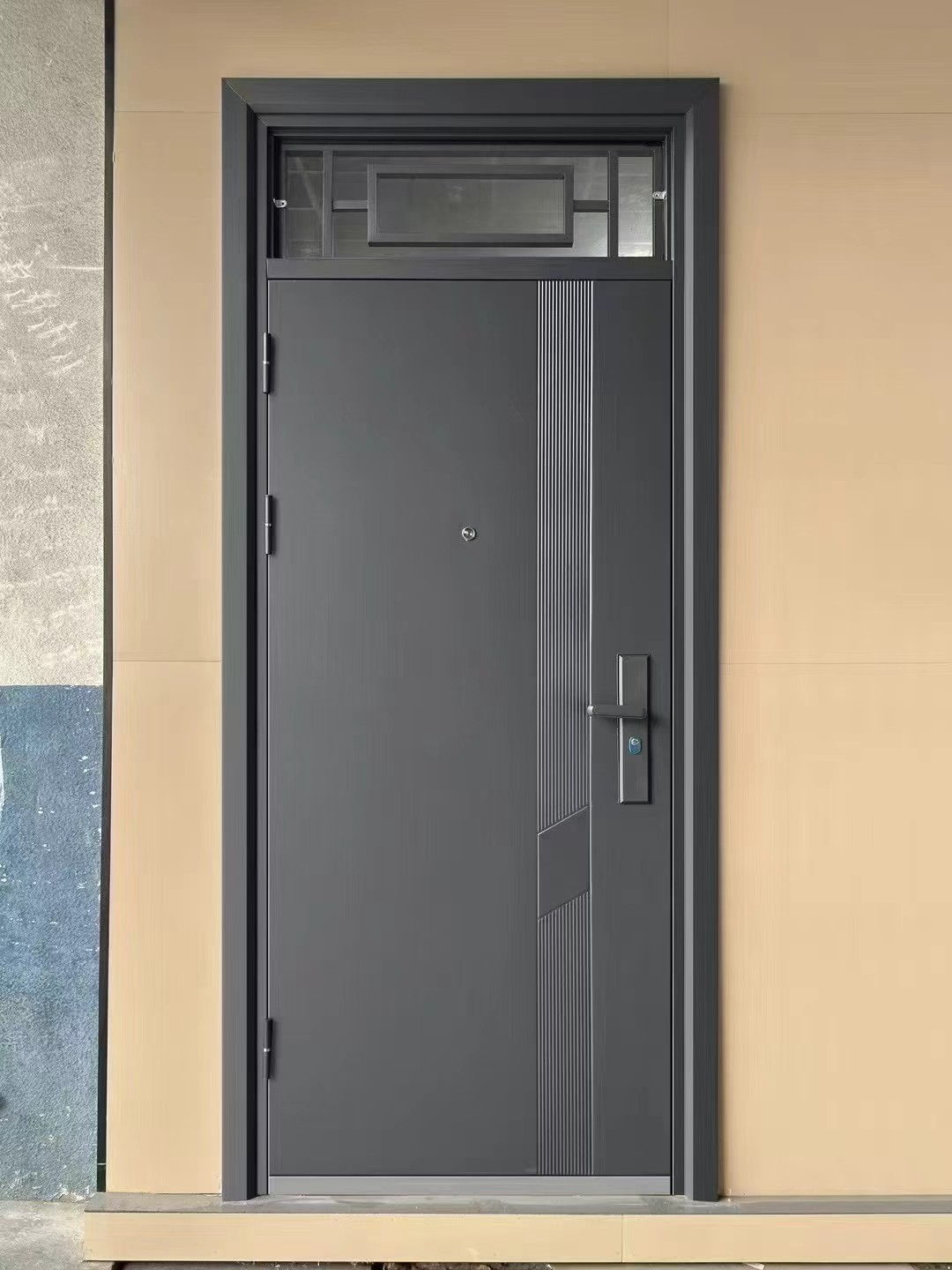
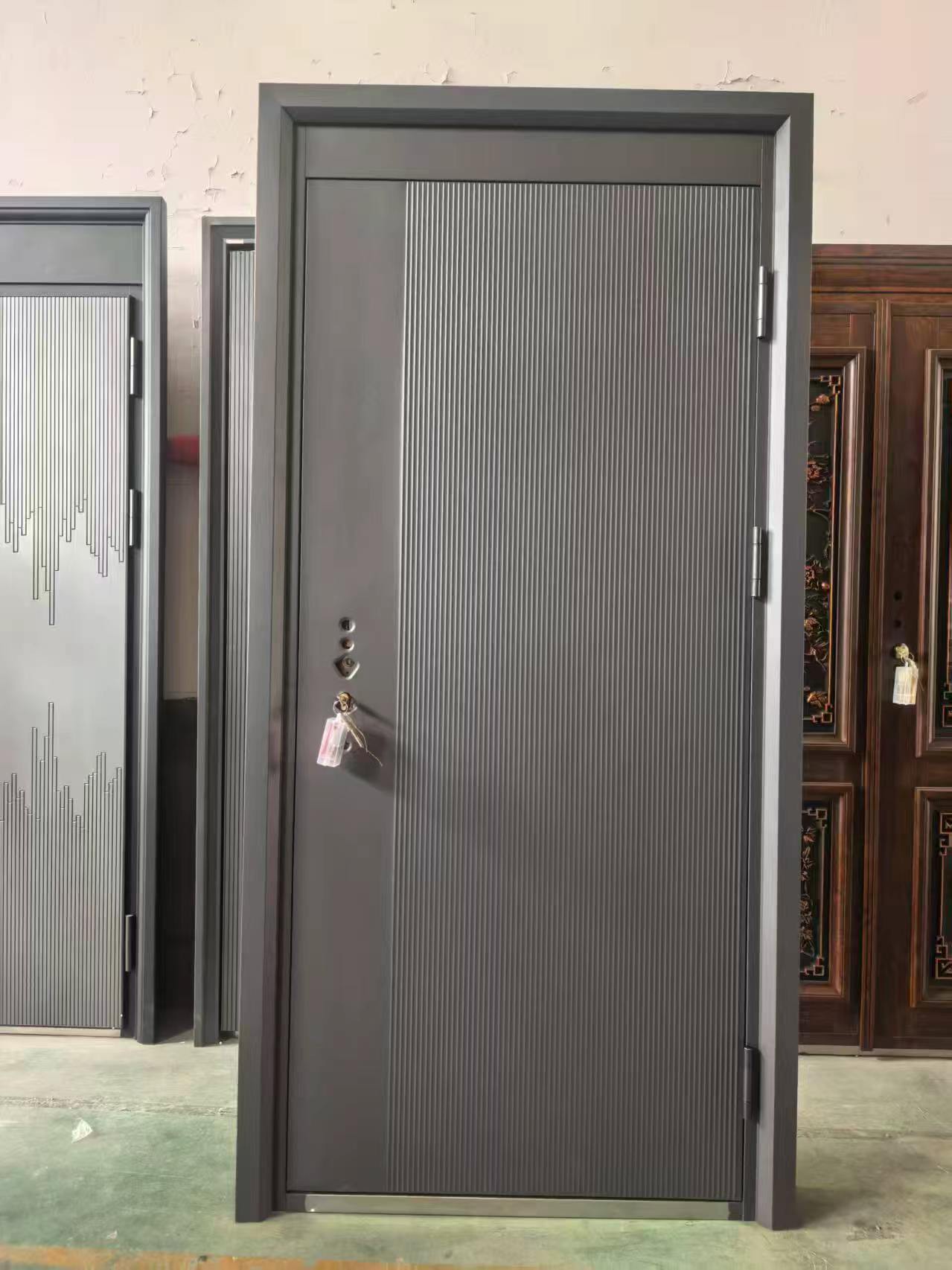
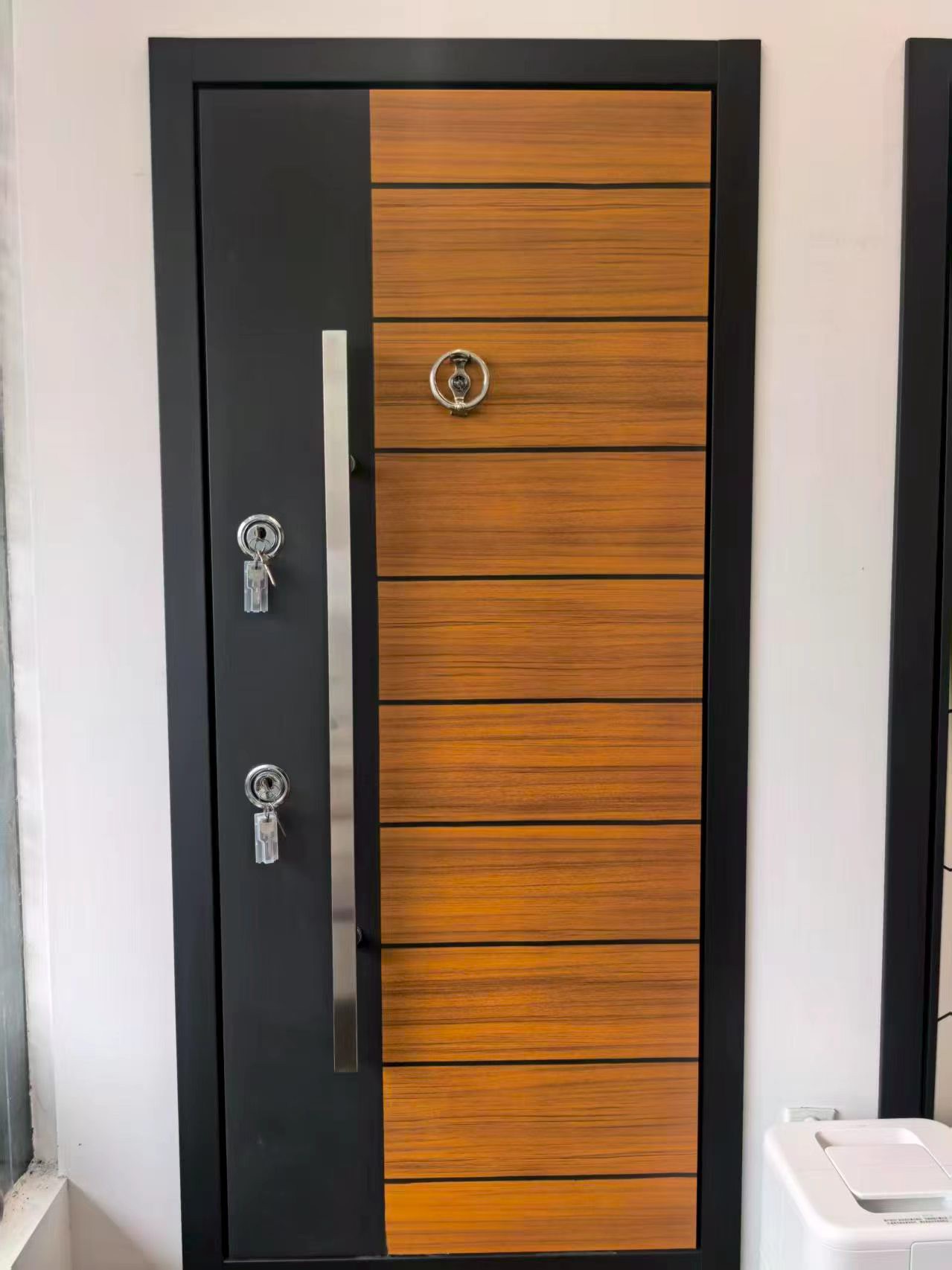
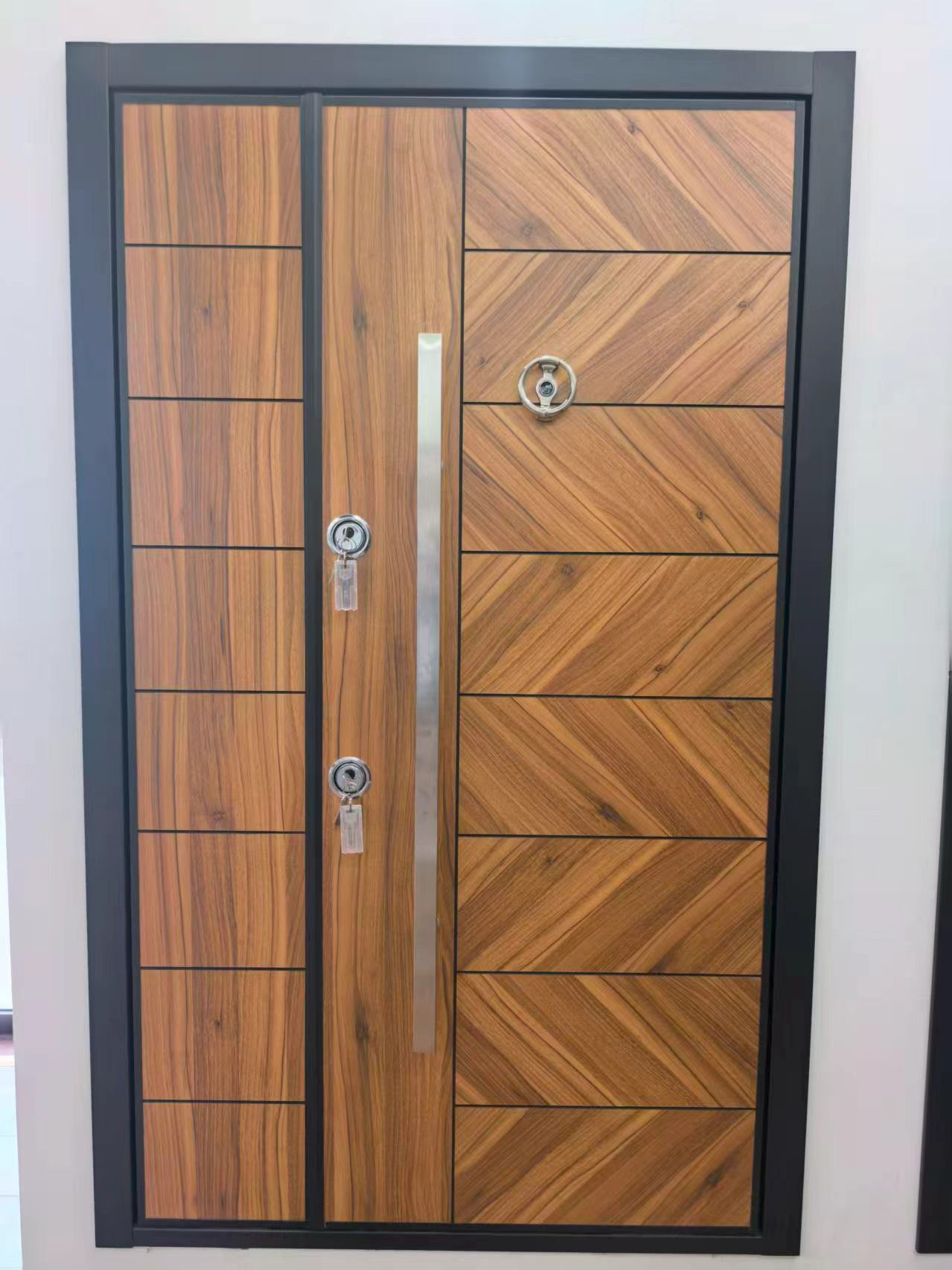
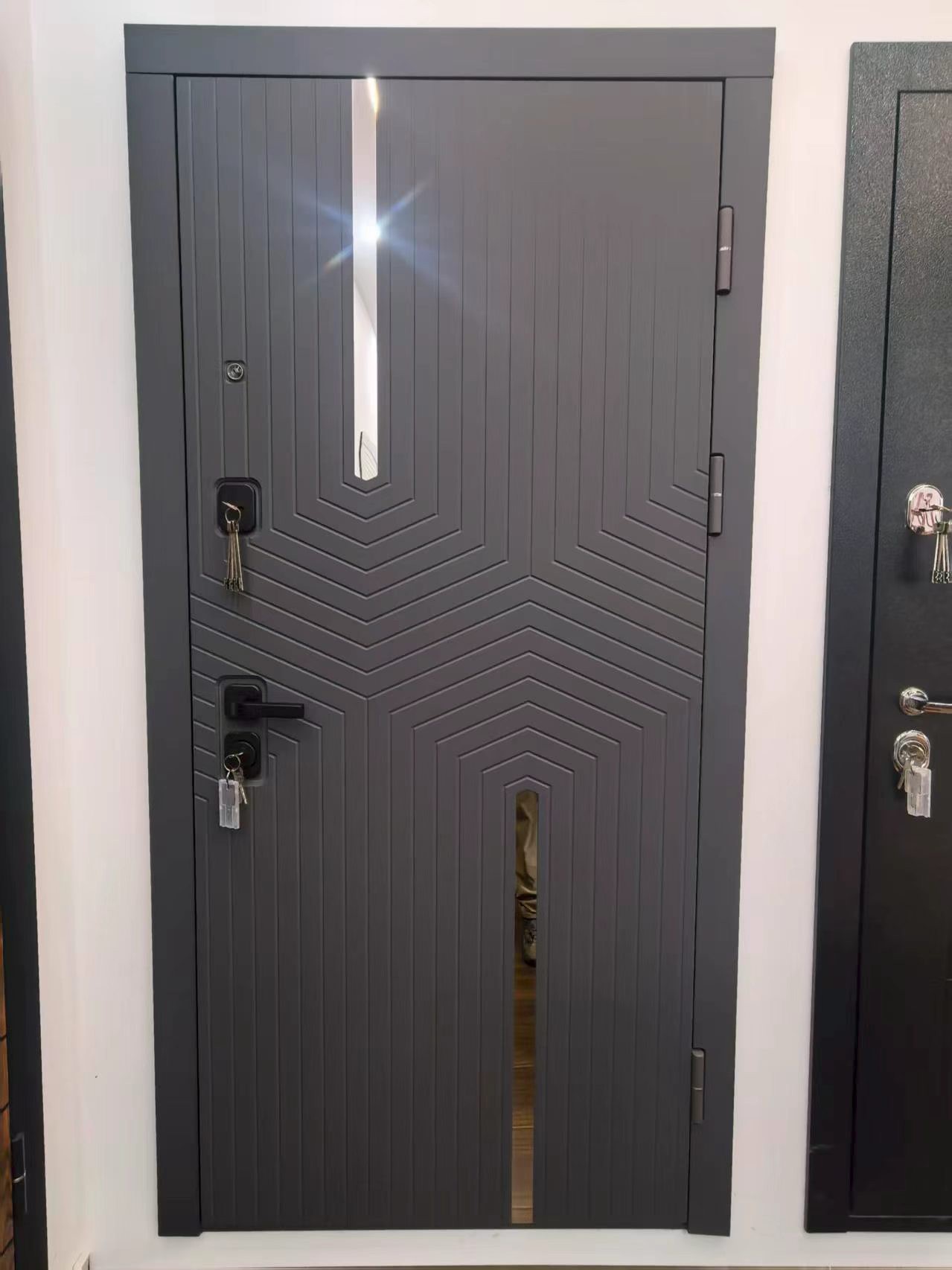
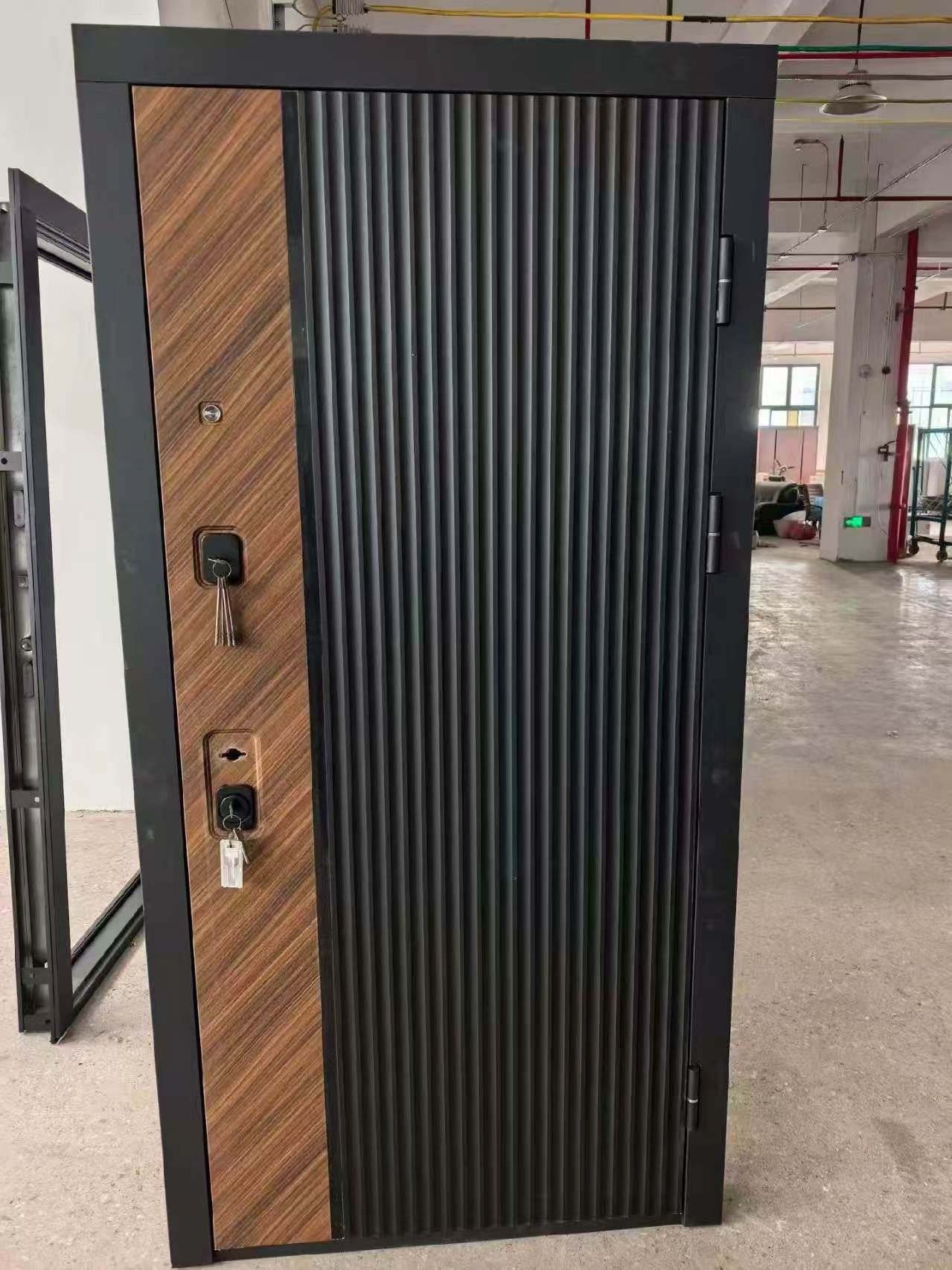
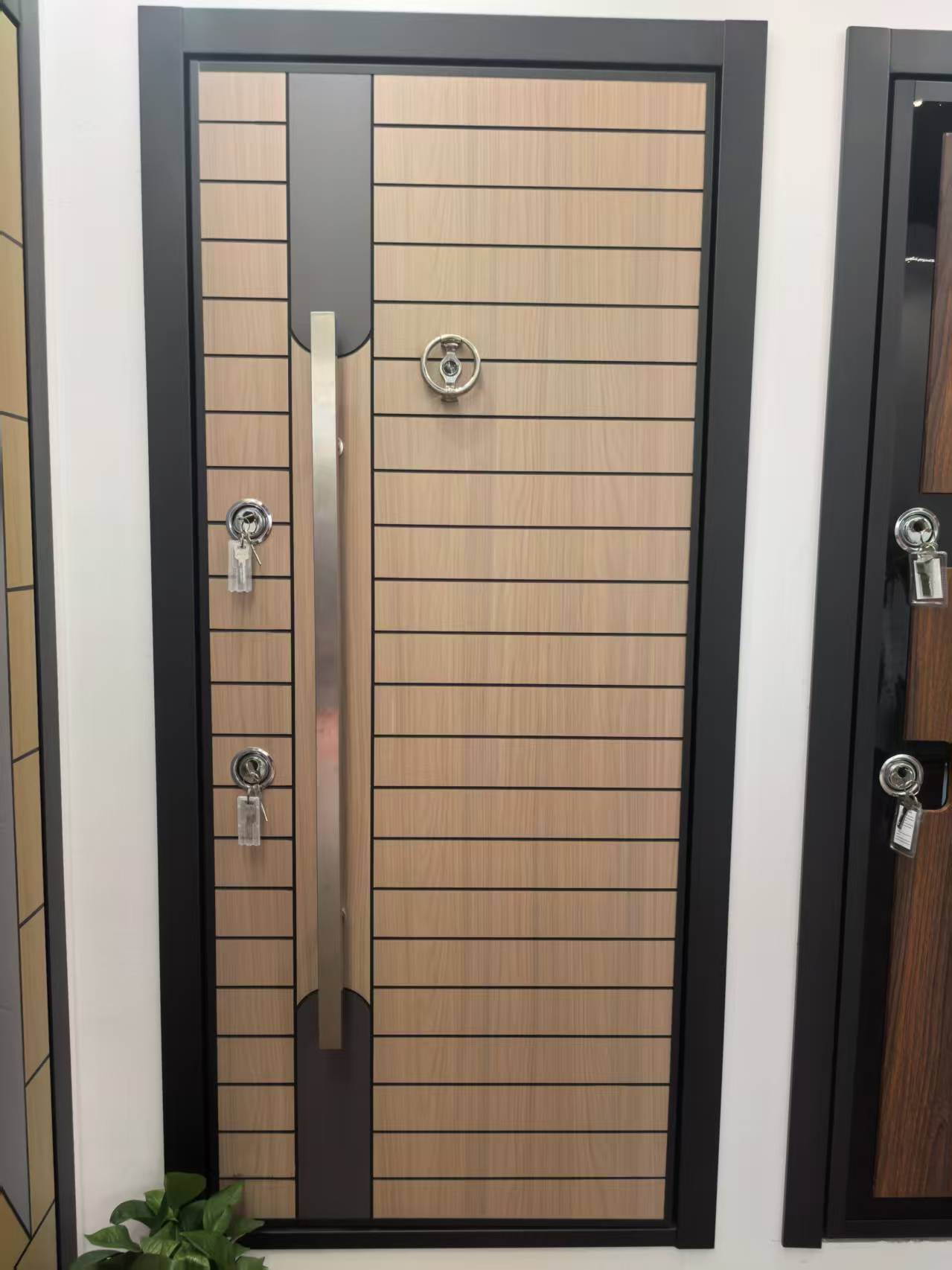
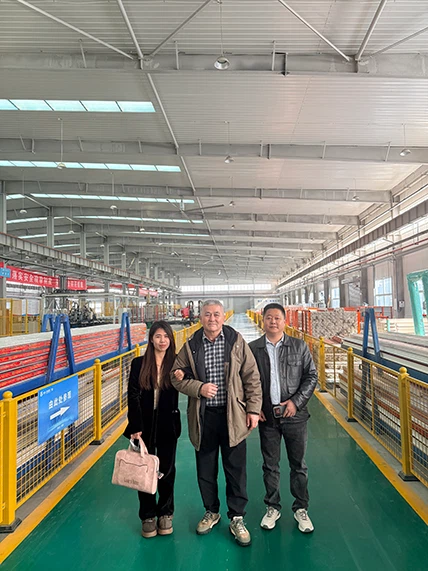
Our factory


Customer visit




FAQ
Q: Can steel entry doors with glass meet high-security requirements?
A: Yes. Steel entry doors with properly specified laminated or combined glazing can achieve anti-burglary ratings up to RC4 or RC5 per EN 1627, depending on the overall door construction. For government or high-threat applications, we recommend consulting with a security specialist to determine the appropriate classification for your specific threat environment.
Q: What U-values can steel-and-glass doors achieve?
A: With double-glazed units and thermally broken frames, steel entry doors typically achieve U-values between 1.2 and 1.8 W/(m²·K). For lower U-values, triple glazing and enhanced thermal break systems are available, though with increased cost and weight. The actual U-value depends on the specific glazing specification and frame thermal break design.
Q: How do we prevent condensation on the glass?
A: Condensation occurs when warm, humid interior air contacts a cold surface. The key is controlling the surface temperature of the inner glass pane. Low-E coatings on the glass surfaces, argon fill in double-glazed units, and warm-edge spacer technology all contribute to raising the inner surface temperature above the dew point. Proper ventilation also helps by reducing interior humidity.
Q: What's the difference between laminated and tempered glass in doors?
A: Tempered glass is heat-treated for impact resistance and safety (breaks into blunt fragments). Laminated glass has a PVB or SGP interlayer that holds the glass together when shattered, providing security and safety. For door applications where both security and safety are concerns, we recommend toughened laminated glass-tempered and laminated combined.
Q: Can the glass be replaced if it breaks?
A: Yes, if the door is properly specified with accessible glazing beads. We design our doors for field glass replacement without removing the door from the frame. This requires proper glazing bead design and clear maintenance documentation. We include glass replacement procedures in our project documentation packages.
Ready to Specify?
Whether you're working on a residential project with specific aesthetic requirements or a commercial development with certified security and thermal performance targets, we're happy to help with specification support.
We can provide sample doors for architectural review, detailed CAD drawings for coordination, and certified performance data for project compliance documentation. For projects with unusual requirements, our engineering team can develop custom solutions.
Contact our team to discuss your project specifications.
Hot Tags: steel entry doors with glass, China steel entry doors with glass manufacturers, suppliers, factory, white metal door, steel cellar doors, Steel Entry Doors, Steel Garage Doors, 42 inch exterior steel door, industrial steel doors
You Might Also Like


Send Inquiry