


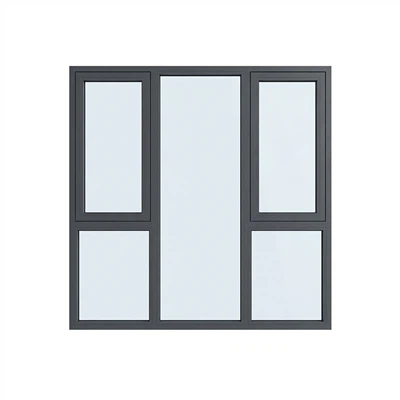
Triple Glazed Aluminium Casement Windows | U-Value 1.0 | SGL
Shaanxi SGL Doors&Windows Technology Co., Ltd. is one of the most reliable manufacturers and suppliers of Triple Glazed Aluminium Casement Windows | U-Value 1.0 | SGL in China, also supports customized service. Please feel free to wholesale high quality Triple Glazed Aluminium Casement Windows | U-Value 1.0 | SGL for sale here from our factory. If you have any enquiry about pricelist and quotation, please feel free to email us.
Product Description
When Only the Best Thermal Performance Will Do
Triple glazing is not an incremental improvement over double glazing - it is a fundamentally different solution for fundamentally different requirements. By adding a third glass pane and a second gas-filled cavity, a triple glazed unit creates two thermal barriers instead of one. This reduces U-value from 1.6 W/m²K (double glazed) to 1.0-1.2 W/m²K - a 30-35% improvement that makes the difference between meeting and exceeding building regulations, and between a standard building and a Passivhaus-certified one.
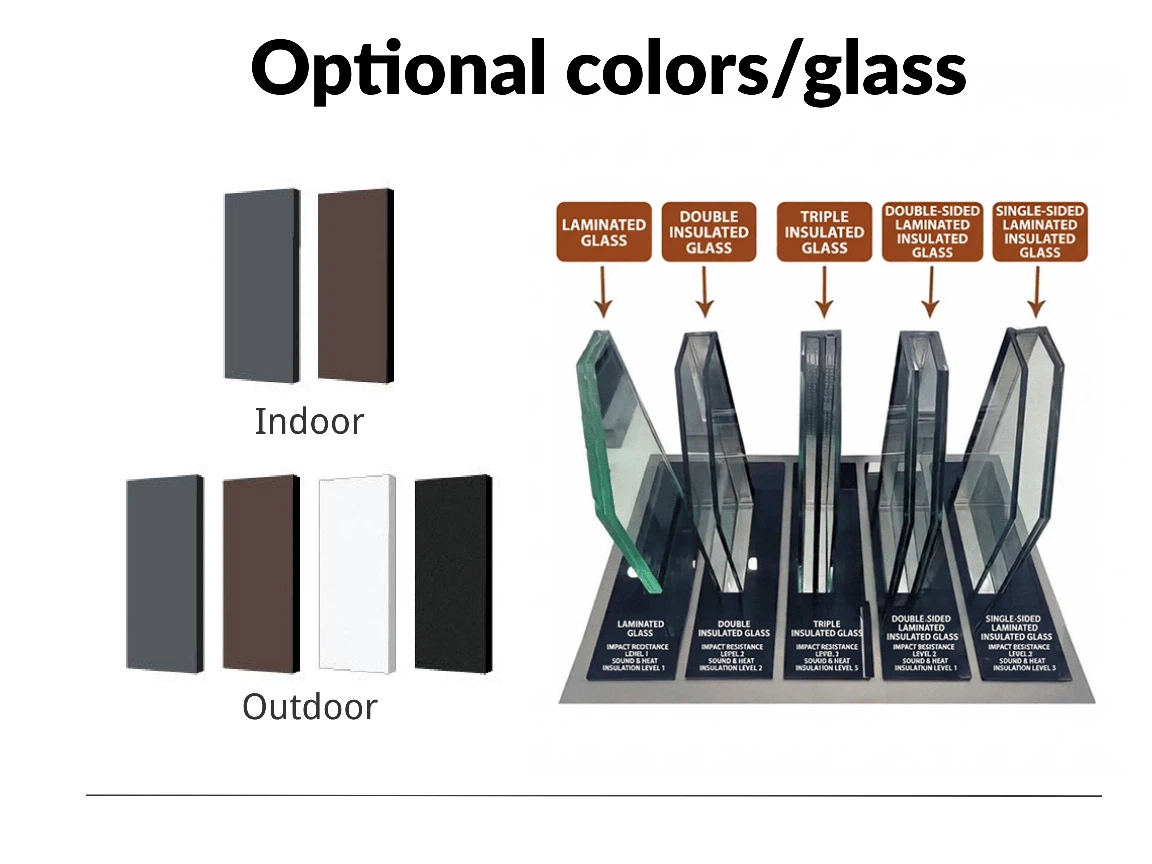
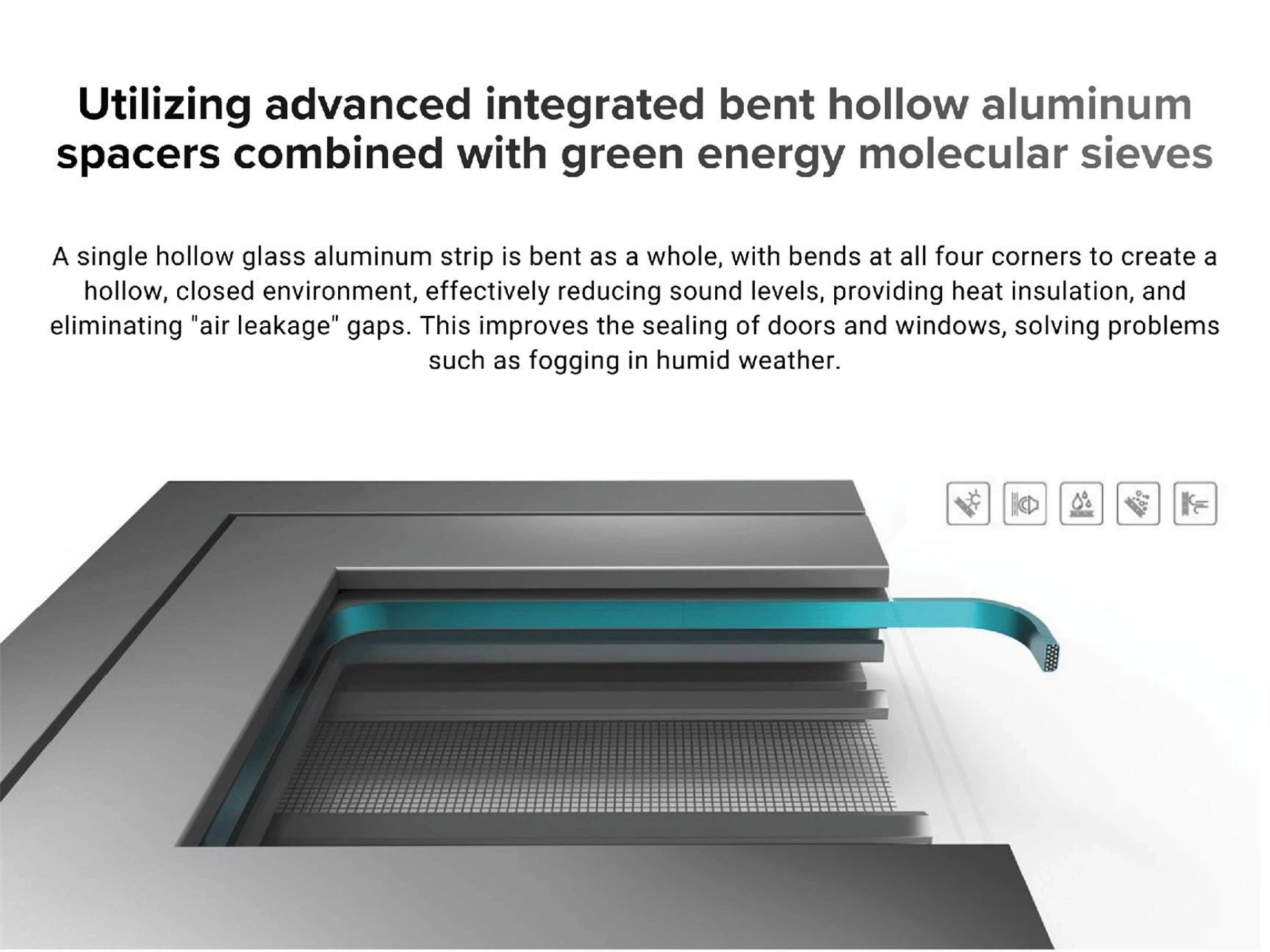
The standard SGL triple glazed configuration is 5+12A+5+12A+5: two 12mm argon-filled cavities separated by three 5mm glass panes. Both cavity-facing surfaces carry Low-E coatings (positions #3 and #5 in the IGU stack) to reflect radiant heat. The 12mm cavity width is optimized - wider cavities allow convection currents that counteract insulation, while narrower cavities reduce the gas layer's effectiveness. Our IGUs use warm-edge spacers as standard, not as an upgrade, because the edge is where triple glazing is most vulnerable to thermal bridging.
Return on Investment in Cold Climates
Triple glazing costs approximately 30-40% more than double glazing. But in climates with over 3,000 heating degree days per year - Scandinavia, Canada, Kazakhstan, Northern China, the Northern US - the additional insulation saves enough on heating bills to pay back within 8-12 years. Over a 30-year building lifecycle, the net saving typically exceeds the initial premium by a factor of two to three.
Example calculation (1,000 m² facade, −10°C average winter temperature, gas heating at ¢8/kWh):
• Double glazing heat loss: ~42,000 kWh/year → $3,360/year
• Triple glazing heat loss: ~28,000 kWh/year → $2,240/year
• Annual saving: $1,120/year | Payback on 35% premium: ~10 years
Triple Glazing Features
5+12A+5+12A+5 with Dual Low-E
Two Low-E coatings - one on surface #3 and one on surface #5 - reflect long-wave infrared radiation from both cavities back into the room. This dual-mirror effect is why triple glazing achieves 1.0 W/m²K while double glazing with a single Low-E coating plateaus at 1.6 W/m²K. Argon filling in both cavities suppresses convective heat transfer that would otherwise occur with air.
42-48 dB Acoustic Performance
The mass-air-mass principle that makes double glazing effective becomes significantly more powerful with three panes and two cavities. Each glass pane vibrates at a different resonant frequency, and each gas cavity dampens a different part of the sound spectrum. For airports, railways, or urban motorways, asymmetric laminated configurations (6.38mm + 4mm + 6mm) reach 48-52 dB - comparable to solid walls.
Warm-Edge Spacers as Standard
Standard aluminium box spacers create a thermal bridge at the IGU perimeter that can reduce the overall window U-value by 0.1-0.2 W/m²K. On a triple glazed unit, this penalty is proportionally larger because the glass is already so well insulated. We fit Swisspacer or TGI warm-edge spacers as standard on all triple glazed orders - no upgrade required - ensuring the edge performance matches the centre-of-glass performance.
Passivhaus Documentation Package
Every triple glazed order includes a complete technical documentation package: certified U-value reports (to EN 673), Psi-value tables for thermal bridge modelling, air tightness test certificates (EN 12207), and water tightness results (EN 12208). All data is formatted for direct input into PHPP (Passive House Planning Package) energy modelling software. UKCA-marked variants available for Great Britain.
Condensation Elimination
Condensation forms when the interior glass surface drops below the dew point. In a heated room at 20°C / 50% RH, the dew point is 9.3°C. The inner pane of a triple glazed unit stays at 14-16°C even when outdoor temperatures drop to −15°C - well above the condensation threshold. This protects timber reveals, plaster, and insulation from moisture damage, and eliminates the need for trickle vents in many Passivhaus designs.
Asymmetric Configurations for Specialised Performance
Standard triple glazing uses three panes of equal thickness. For specialised applications, we offer asymmetric builds: thicker outer panes (6mm) for impact resistance, thinner middle panes (4mm) to reduce weight, laminated inner panes for acoustic or security requirements, and tinted or solar-control outer panes for overheating climates. Each configuration is modelled and certified before production.
Suitable For
Triple glazed aluminium casement windows are specified where thermal performance is the primary design driver:
- Passivhaus & Near-Zero Energy Buildings
- Nordic & Sub-Arctic Housing
- Canada & Northern US
- Central Asia (Kazakhstan, Mongolia)
- Northern China (Harbin, Shenyang)
- Alpine & Mountain Resorts
- Acoustic Critical Environments
- High-End Sustainable Developments
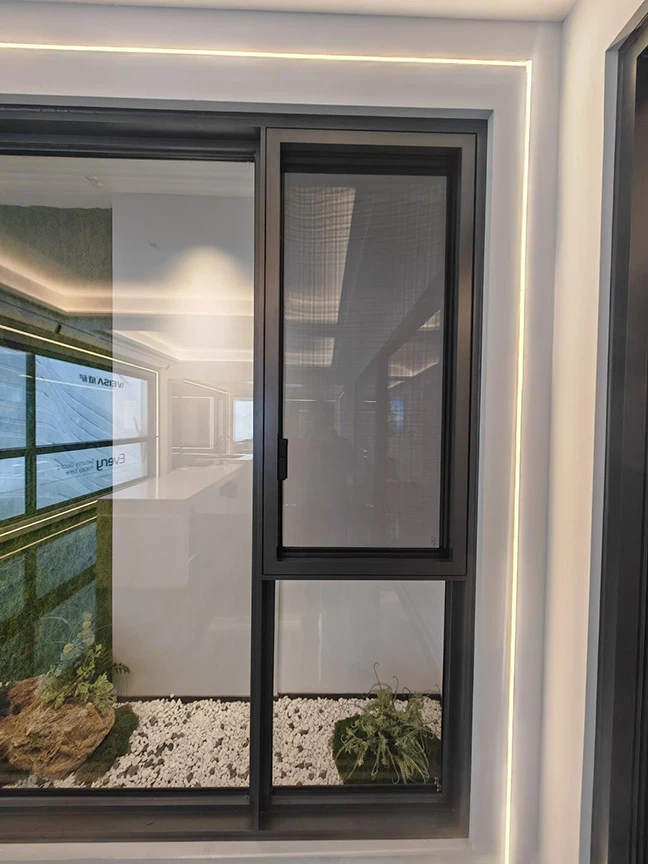
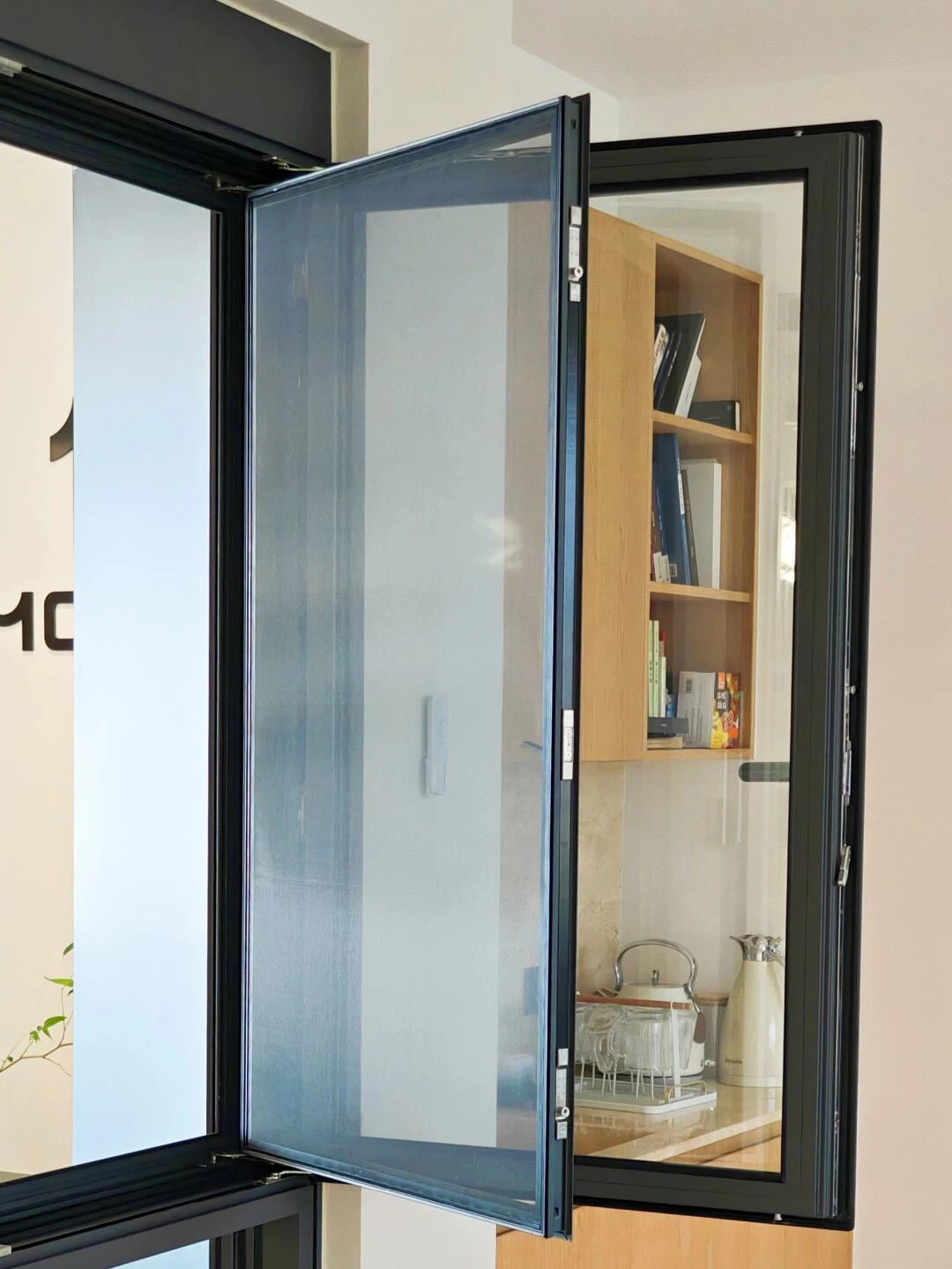
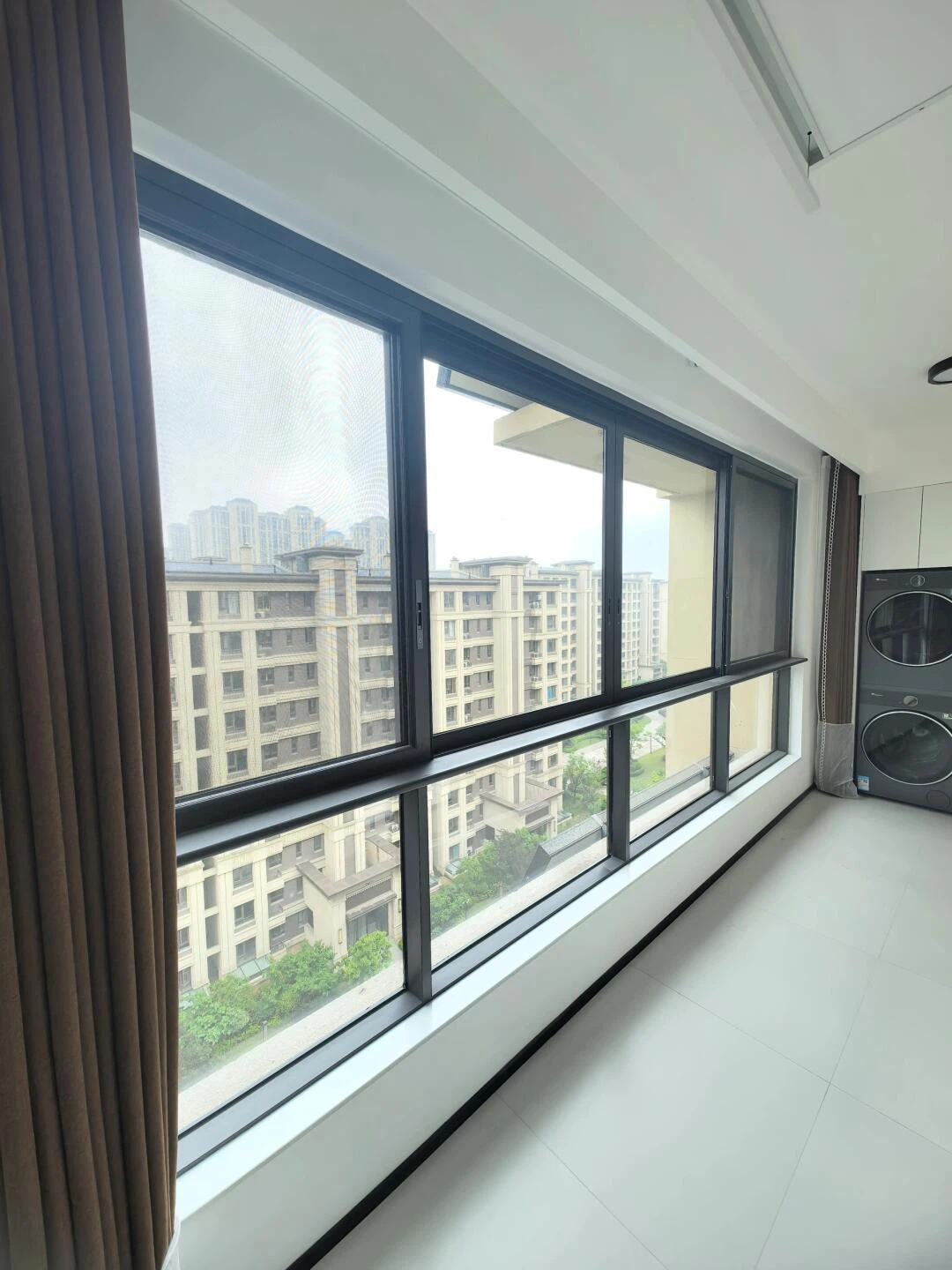
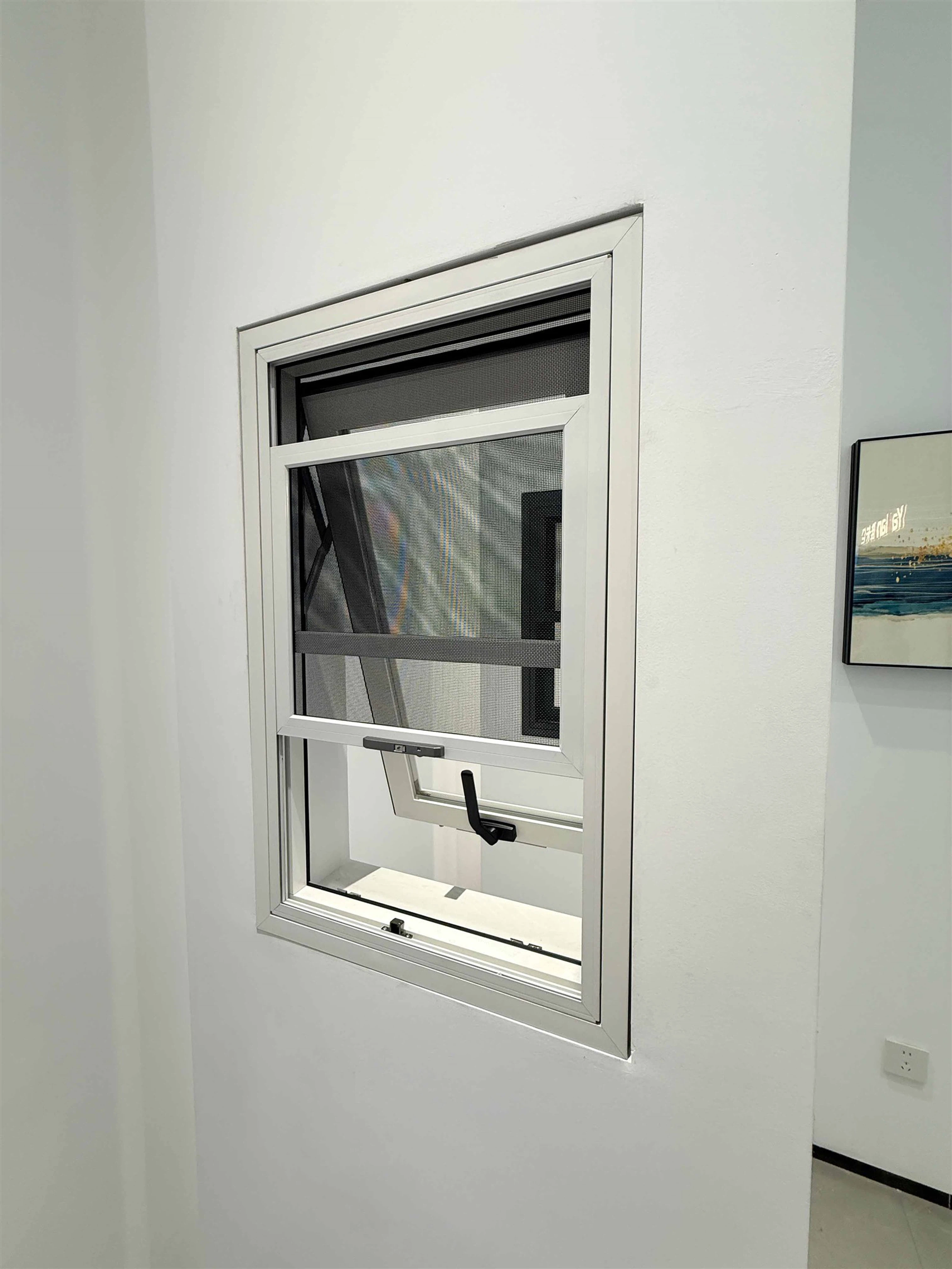
our aluminum window Application
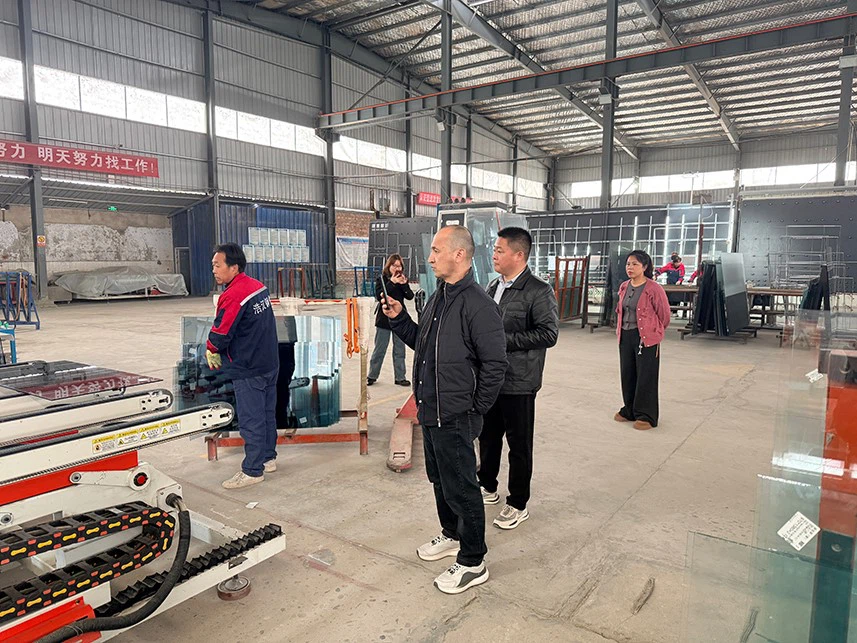
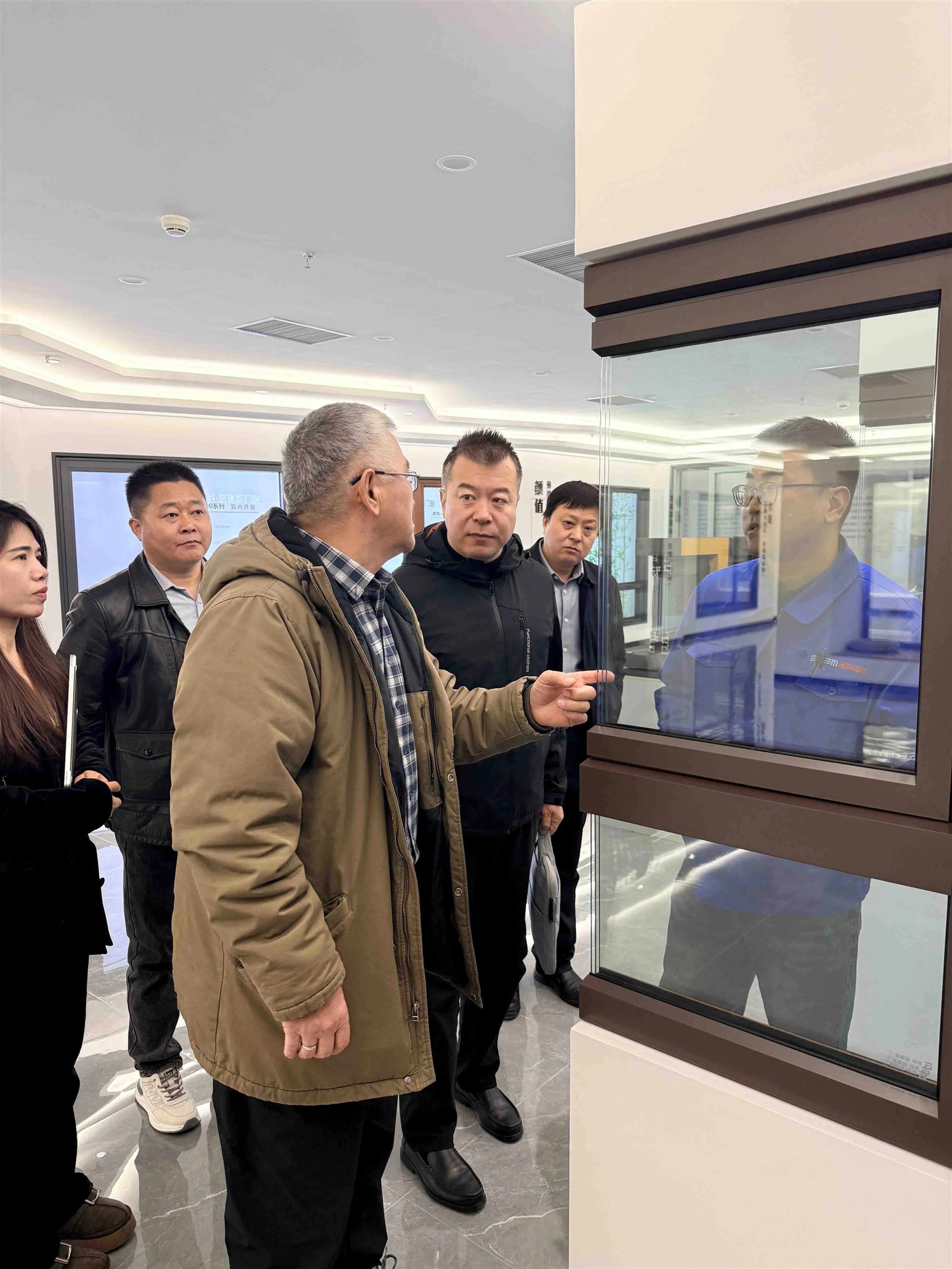
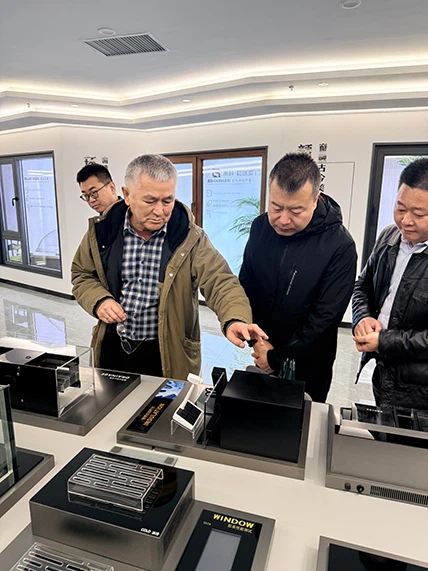
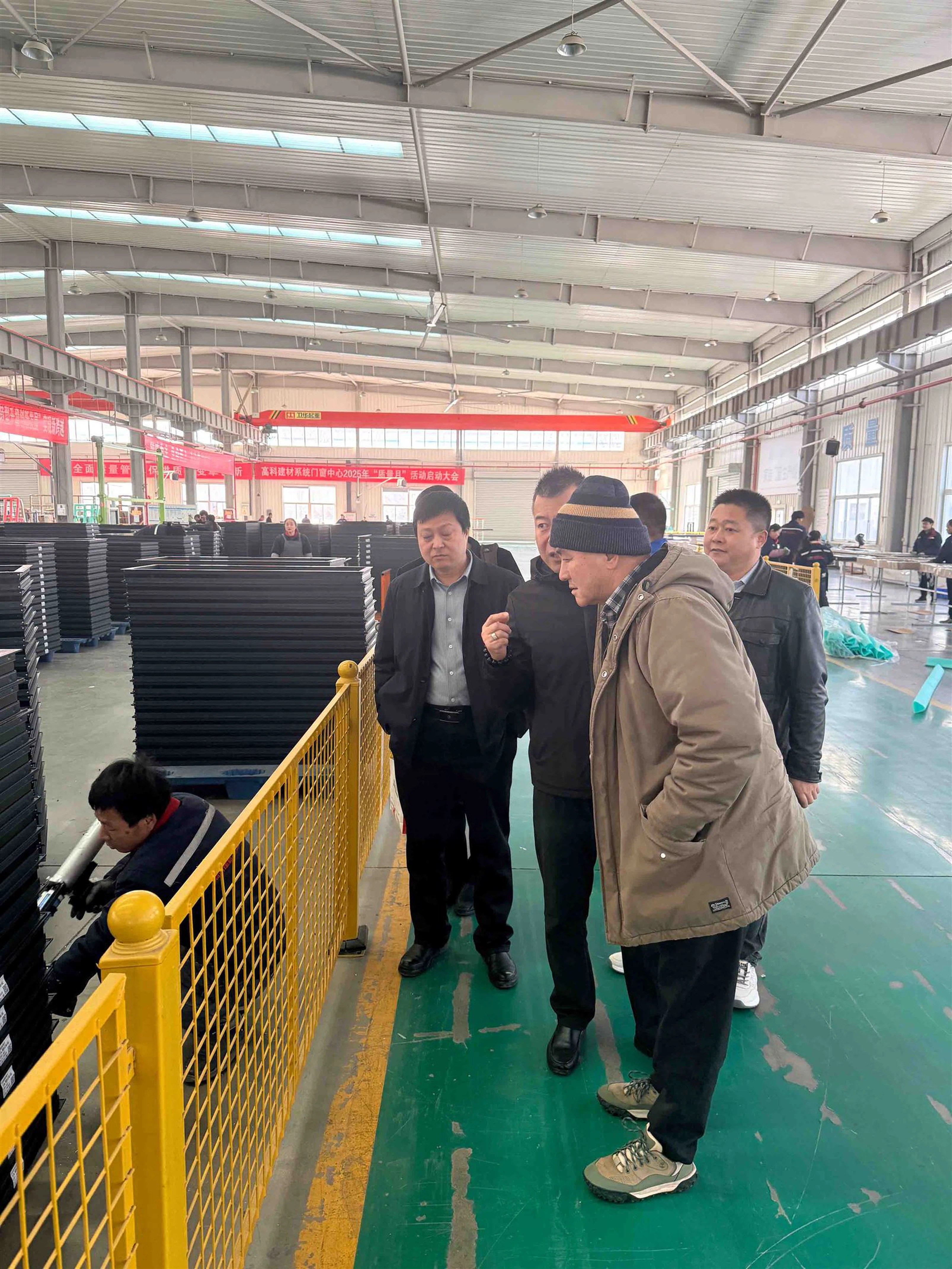
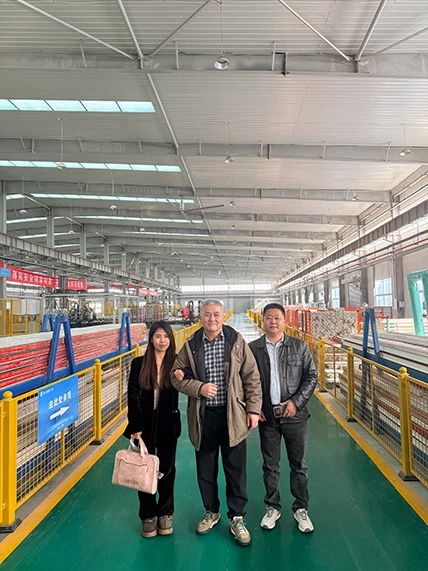
our factory
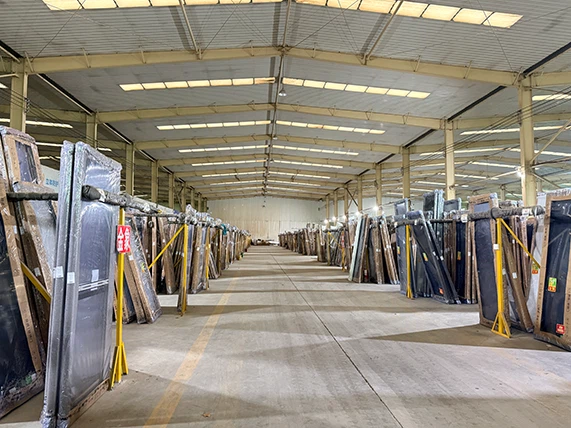
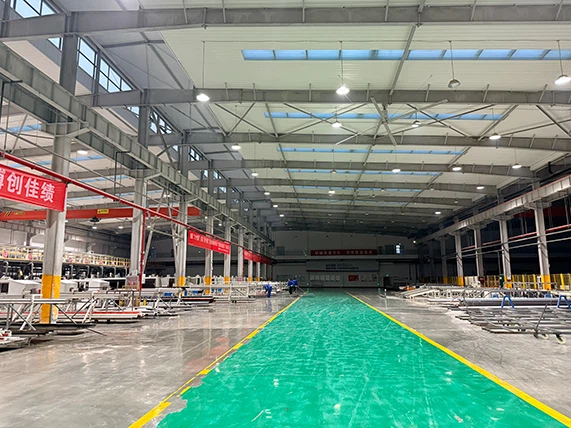
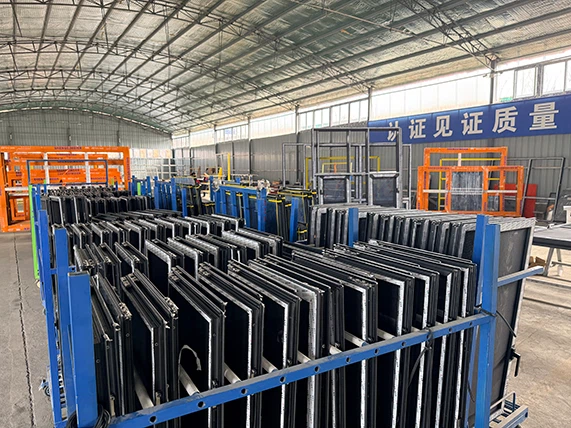
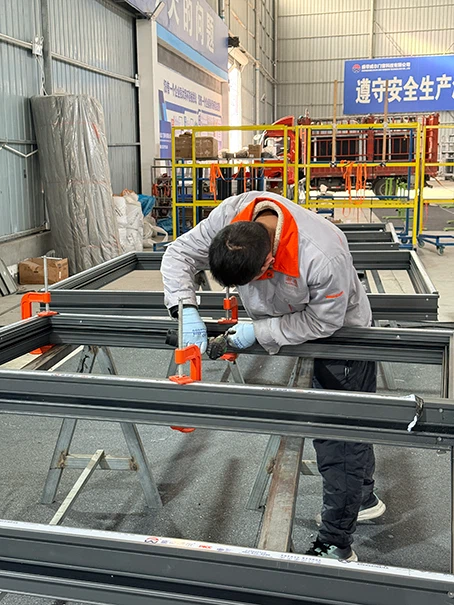
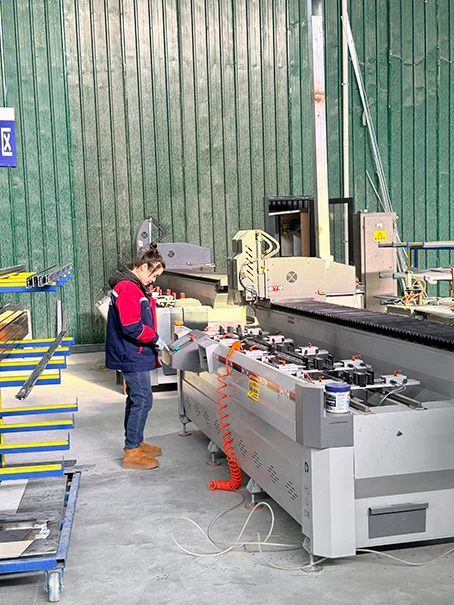
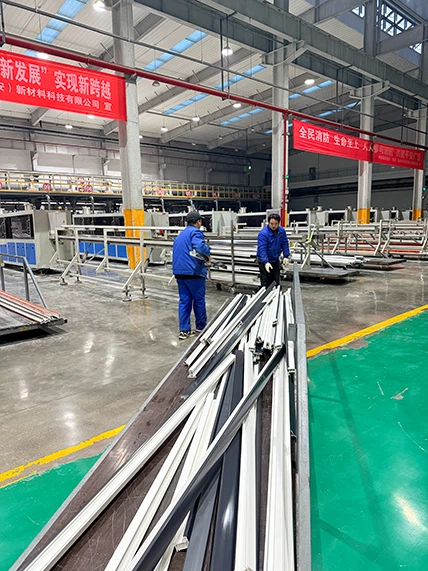
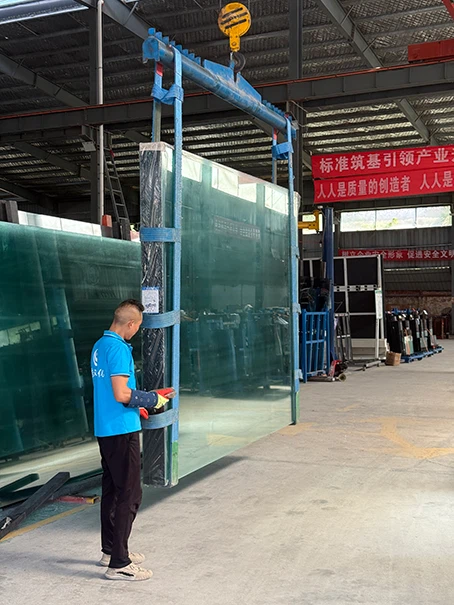
Client Visit

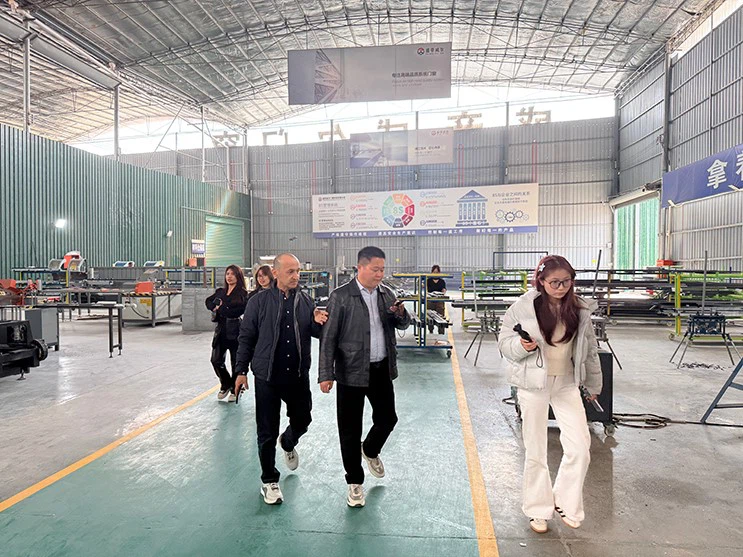
Frequently Asked Questions
Q: Q1: What is a 5+12A+5+12A+5 triple glazed unit?
A: 5+12A+5+12A+5 describes an insulated glass unit with three 5mm glass panes separated by two 12mm argon-filled cavities. This creates two thermal barriers instead of one, reducing U-value from approximately 1.6 W/m²K (double glazed) to 1.0-1.2 W/m²K. The outer pane is clear tempered glass, the middle pane is clear glass, and the inner pane carries a Low-E coating on surfaces facing the cavities to reflect radiant heat back into the room.
Q: Q2: Is triple glazing worth the extra cost?
A: Triple glazing costs approximately 30-40% more than double glazing, but reduces heat loss through the window by an additional 25-30%. In cold climates with heating degree days above 3,000 (Scandinavia, Canada, Central Asia, Northern China), the energy savings typically pay back the additional cost within 8-12 years. For Passivhaus or near-zero energy buildings, triple glazing is not optional - it is required to meet the stringent U-value targets.
Q: Q3: How much better is triple glazing for sound insulation?
A: Triple glazing achieves 42-48 dB sound reduction compared to 35-42 dB for double glazing. The extra glass pane and second cavity add mass and damping, particularly effective against low-frequency noise such as aircraft, trains, and heavy traffic. For the most demanding acoustic environments, we can specify asymmetric thicknesses (e.g., 6mm + 4mm + 6mm) and laminated panes to reach 48-52 dB.
Q: Q4: Do triple glazed windows let in enough light?
A: SGL triple glazed units maintain 68-72% visible light transmittance - only marginally lower than double glazing (75%+). The difference is barely perceptible in practice. The two Low-E coatings are spectrally selective: they reflect infrared heat while transmitting visible light. For projects where maximum daylight is critical, we can specify high-transmittance Low-E coatings that achieve 75%+ light transmission with only a small U-value penalty (approximately 0.1 W/m²K).
Q: Q5: Do you provide Passivhaus certification documentation?
A: Yes. Our triple glazed casement windows with warm-edge spacers and thermal break frames achieve installed U-values that meet Passivhaus component criteria. We supply certified U-value reports, Psi-value tables for thermal bridge calculations, and air tightness test data compatible with PHPP energy modelling software. UKCA and CE documentation is included as standard for all building control submissions.
Project Case Studies
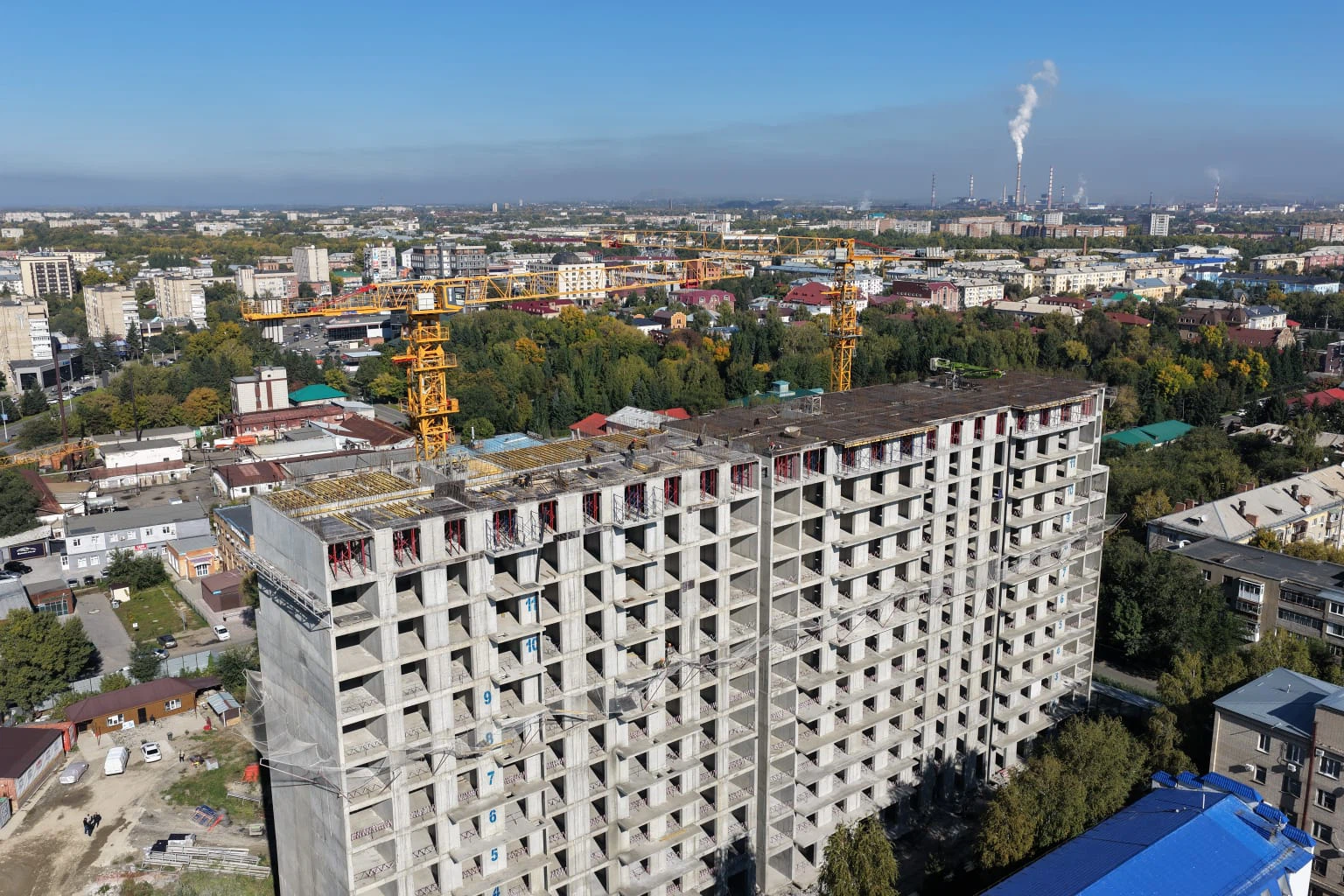
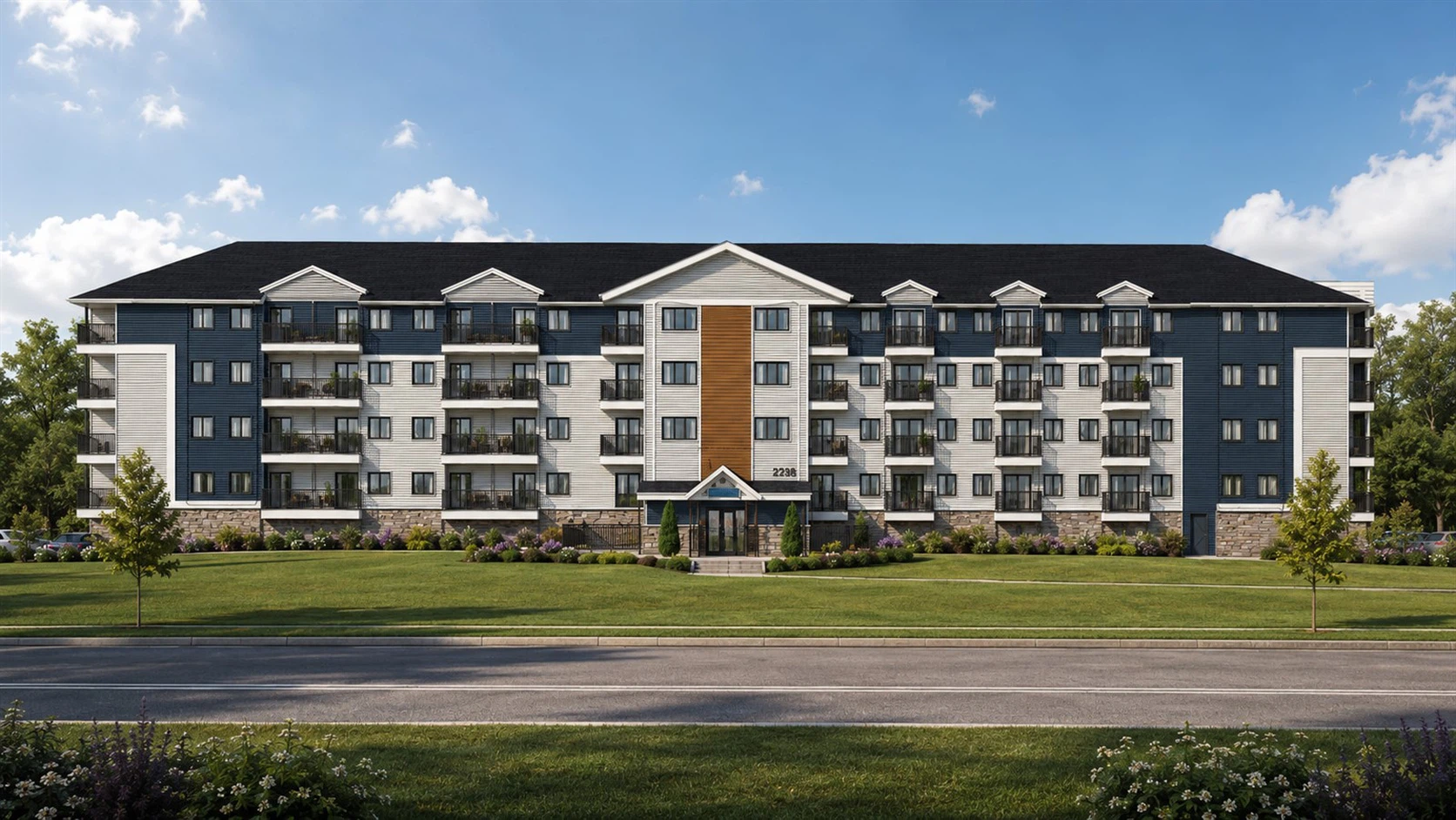
We provide one-stop door and window solutions for individual buyers, contractors, renovation companies, and more.
Our address
No. 2 Group, Fumiao Village, Laojun Town, Hantai District, Hanzhong City, Shaanxi Province, China
Phone Number
+86 13335450021
sgl-factory@sgl-doors-windows.com

Hot Tags: Triple Glazed Aluminium Casement Windows | U-Value 1.0 | SGL, China Triple Glazed Aluminium Casement Windows | U-Value 1.0 | SGL manufacturers, suppliers, factory, aluminium vertical sliding windows, aluminum glass window, aluminium sliding sash windows, aluminium flush windows, glass and aluminium windows, best aluminium sliding windows
Double Glazed Unit Specifications
| Specification | Details |
|---|---|
| Glass Configuration | 5+12A+5+12A+5 (standard) / 6+10A+4+10A+6 (acoustic) |
| Outer Pane | 5mm clear tempered glass |
| Middle Pane | 5mm clear glass |
| Inner Pane | 5mm tempered Low-E glass (surfaces #3 and #5) |
| Cavity Fill | Argon gas (90%+ fill rate) |
| Cavity Width | 2 x 12mm |
| Spacer | Warm-edge (Swisspacer / TGI) - standard |
| U-Value | 1.0 – 1.2 W/m²K |
| Sound Insulation | 42 – 48 dB (asymmetric + laminated: 48-52 dB) |
| Light Transmittance | ≥ 68% (high-transmittance Low-E: ≥ 75%) |
| Solar Heat Gain (SHGC) | 0.35 – 0.45 |
| UV Rejection | ≥ 90% |
| Sealing | Dual-seal: PIB primary + polysulphide secondary |
| IGU Certification | EN 1279-2 (gas) / EN 1279-3 (moisture) |
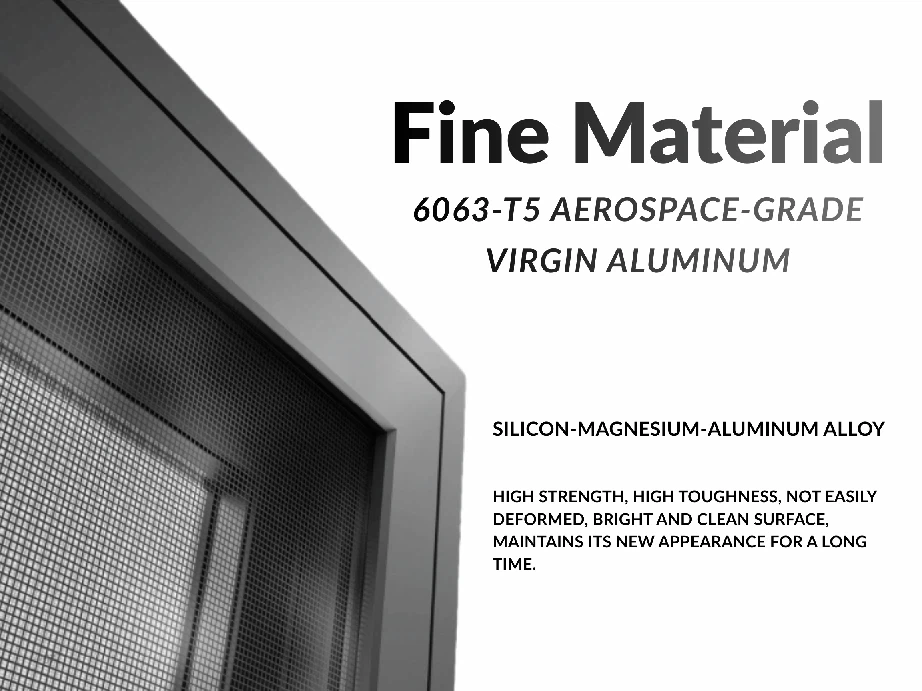
| Frame | Aluminium 6063-T5 with PA66 thermal break |
| Opening Type | Inward / Outward |
| Profile Thickness | 2.0mm / 3.0mm |
| Surface Finish | Powder Coating / Anodizing / Wood Grain |
| Certifications | CE (EN 14351-1), ISO 9001:2015, Passivhaus-ready |
| Warranty | 10-year frame / 5-year glass & hardware |
- 5+12A+5+12A+5 IGU as standard - three panes, two argon cavities, two Low-E coatings
- U-value 1.0-1.2 W/m²K - meets Passivhaus component criteria and exceeds UK Part L
- 42-48 dB sound reduction - two cavities add mass and damping for superior acoustics
- Warm-edge spacers standard - Swisspacer or TGI reduces edge thermal bridging
- 90% UV rejection - three panes + Low-E coatings block nearly all ultraviolet
- Full Passivhaus documentation - U-value certs, Psi-values, PHPP-compatible data
You Might Also Like



Send Inquiry