

Are aluminum doors easy to transport?
As a supplier of aluminum doors, I've received numerous inquiries about the transportation of these products. It's a crucial aspect that both suppliers like me and customers need to consider. In this blog, I'll delve into the factors that determine whether aluminum doors are easy to transport and share some insights based on my experience in the industry.
Advantages of Aluminum Doors in Transportation
Lightweight Nature
One of the most significant advantages of aluminum doors when it comes to transportation is their lightweight. Aluminum is a relatively light metal compared to materials like steel or solid wood. This characteristic makes the doors easier to handle during loading and unloading processes. For example, a standard-sized Aluminium Double Glazed Doors can be lifted by a couple of workers without the need for heavy - duty machinery in most cases. This reduces the labor intensity and the risk of injury during transportation operations.
Moreover, the lightweight nature of aluminum doors also has cost - saving implications. Trucks or other transportation vehicles can carry more aluminum doors compared to heavier alternatives for the same weight limit. This means fewer trips are required to deliver a certain quantity of doors, which in turn reduces fuel consumption and transportation costs.
Durability and Resistance
Aluminum is known for its durability and resistance to corrosion. This is beneficial during transportation as the doors are less likely to be damaged by environmental factors such as moisture, rust, or minor impacts. Unlike wooden doors that can warp or rot if exposed to damp conditions during transit, aluminum doors can withstand a certain degree of moisture without significant damage.
When it comes to stacking and packing, aluminum doors can be placed on top of each other more securely. Their rigid structure allows for stable stacking, which is essential for efficient use of space in transportation vehicles. For instance, Aluminium Bifold Exterior Doors can be neatly folded and stacked, taking up less space compared to some other types of doors.
Customizable Sizes and Shapes
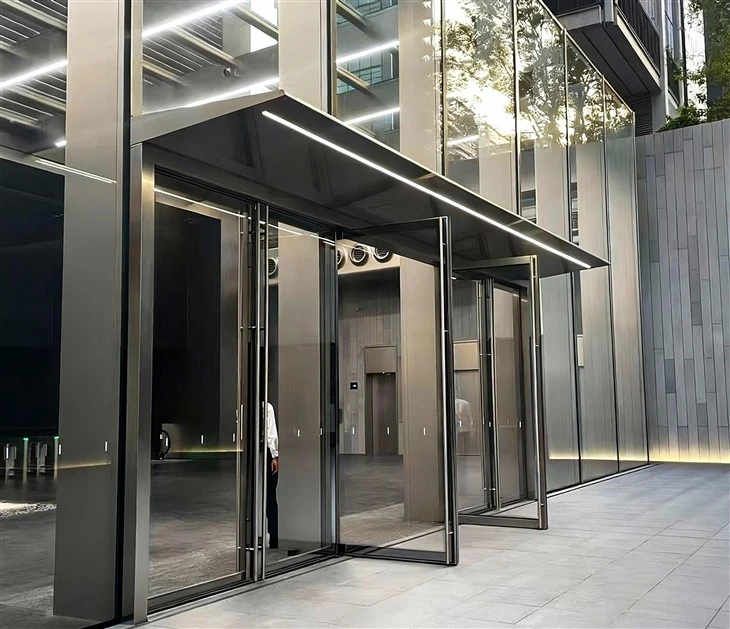
Aluminum doors can be easily customized to different sizes and shapes. This flexibility is an advantage during transportation because it allows for better optimization of the cargo space. We can design the doors in such a way that they fit perfectly into the available transportation containers or trucks. For example, if we know the dimensions of a particular shipping container, we can manufacture the Commercial Aluminium Storefront Door to make the most of that space, reducing wasted volume and potentially lowering transportation costs.
Challenges in Transporting Aluminum Doors
Fragile Components
Although aluminum itself is durable, some of the components used in aluminum doors, such as glass panels and hardware, can be fragile. During transportation, these components need to be carefully protected. Glass panels are particularly vulnerable to breakage from vibrations, impacts, or sudden movements. Special packaging materials, such as foam inserts and protective films, are necessary to safeguard the glass. Hardware like hinges and locks also need to be properly secured to prevent damage or loss.
Size and Bulkiness
Even though aluminum doors are lightweight, some large - sized or custom - designed doors can be bulky. This can pose challenges in terms of handling and fitting them into transportation vehicles. For example, extra - wide or tall Commercial Aluminium Storefront Door may require special handling equipment or a larger vehicle. In some cases, the size of the door may exceed the standard dimensions of common transportation containers, which could lead to additional costs for specialized shipping or custom - made containers.
Long - Distance and International Transport
When it comes to long - distance or international transport, there are additional factors to consider. Different countries may have different regulations regarding the import and export of building materials, including aluminum doors. These regulations can involve customs clearance, documentation requirements, and safety standards. Delays in customs clearance can significantly impact the delivery time and increase the overall cost of transportation.
Moreover, long - distance transport often involves multiple modes of transportation, such as trucks, trains, and ships. Each mode has its own set of challenges, such as different handling procedures and potential for damage during transfer between modes. For example, doors transported by sea may be exposed to rough weather conditions, which could increase the risk of damage if not properly protected.
Strategies for Easy Transportation
Proper Packaging
Investing in high - quality packaging is essential for the safe transportation of aluminum doors. As mentioned earlier, glass panels should be protected with foam inserts and protective films. The entire door can be wrapped in a sturdy cardboard or plastic wrap to prevent scratches and minor impacts. Additionally, using custom - made packaging boxes that fit the exact dimensions of the doors can provide better support and protection.

Secure Loading and Unloading
During loading and unloading, it's crucial to use proper lifting equipment and techniques. Forklifts or cranes should be used when necessary to handle larger or heavier doors. Workers should be trained to handle the doors carefully to avoid dropping or damaging them. Securing the doors inside the transportation vehicle is also important. Straps or braces can be used to prevent the doors from shifting during transit, which reduces the risk of damage.
Planning and Coordination
Effective planning and coordination are key to ensuring easy transportation. This includes choosing the right transportation mode based on the distance, quantity, and size of the doors. For short - distance deliveries, trucks may be the most cost - effective option, while for long - distance or international shipments, a combination of different modes may be required.
Working closely with logistics partners is also essential. They can provide valuable insights into the best routes, shipping schedules, and customs requirements. By having a well - planned transportation strategy, we can minimize delays and ensure that the doors reach their destination in a timely and undamaged condition.
Conclusion
In general, aluminum doors have several advantages that make them relatively easy to transport, such as their lightweight nature, durability, and customizable sizes. However, there are also challenges, particularly related to fragile components, size, and long - distance transport. By implementing proper packaging, secure loading and unloading procedures, and effective planning and coordination, we can overcome these challenges and ensure that the doors are transported safely and efficiently.
If you're interested in purchasing our high - quality aluminum doors and need more information about transportation or any other aspects, feel free to contact us. We're more than happy to discuss your specific requirements and provide you with a detailed quotation. Our team of experts will work closely with you to ensure a smooth purchasing and transportation process.
References
- Industry reports on building materials transportation
- Experience and knowledge gained from years of working as an aluminum door supplier.


