

Passive houses have gained significant popularity in recent years due to their energy - efficient design and low environmental impact. These buildings are designed to use minimal energy for heating and cooling while maintaining a comfortable indoor environment. As an aluminum windows supplier, I often get asked whether aluminum windows are suitable for passive houses. In this blog, I will explore this question in detail, considering various aspects such as thermal performance, durability, and design flexibility.
Thermal Performance
One of the most critical factors when it comes to passive houses is thermal performance. Passive houses require windows with extremely low heat transfer coefficients, also known as U - values. Conventionally, aluminum is considered a poor thermal insulator because it is a good conductor of heat. However, modern aluminum windows have undergone significant improvements to address this issue.
Many aluminum windows now come with thermal breaks. A thermal break is a material with low thermal conductivity, usually a polyamide strip, that is inserted between the inner and outer aluminum profiles. This break interrupts the flow of heat through the metal frame, significantly reducing the U - value of the window. For example, some high - end aluminum windows with thermal breaks can achieve U - values as low as 0.8 W/(m²K) or even lower, which meets the strict requirements of passive houses.
In addition to thermal breaks, the glazing used in aluminum windows also plays a crucial role in thermal performance. Double or triple glazing with low - emissivity (Low - E) coatings can further enhance the insulation properties of the window. These coatings reflect heat back into the room, reducing heat loss in winter and heat gain in summer.
Durability
Passive houses are built to last, and the windows need to match that long - term durability. Aluminum is well - known for its excellent durability. It is resistant to corrosion, rot, and pests, which makes it a suitable choice for a wide range of climates.
Unlike wooden windows, which may require regular maintenance such as painting or staining to prevent decay, aluminum windows are relatively maintenance - free. They can withstand harsh weather conditions, including heavy rain, strong winds, and extreme temperatures, without losing their structural integrity. This long - term durability is essential for passive houses, as it ensures that the windows will continue to perform well over the life of the building, without any need for frequent replacements or repairs.
Design Flexibility
Another advantage of aluminum windows in passive houses is their design flexibility. Aluminum can be easily extruded into various shapes and sizes, allowing for a wide range of window designs. This is particularly important for passive houses, which often have unique architectural designs.
Whether you are looking for large, floor - to - ceiling windows to maximize natural light or custom - shaped windows to fit a specific architectural feature, aluminum windows can be customized to meet your needs. You can choose from different colors, finishes, and hardware options to match the overall aesthetic of the passive house.
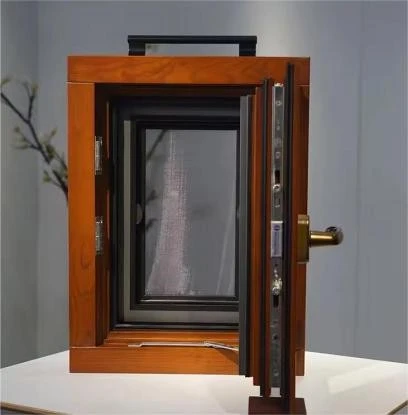
For instance, Aluminum Clad Windows offer a great combination of the durability of aluminum and the aesthetic appeal of other materials. The exterior of the window is clad in aluminum, providing protection against the elements, while the interior can be made of a different material such as wood, which gives a warm and inviting look.

Ventilation Options
Proper ventilation is essential in passive houses to maintain good indoor air quality. Aluminum windows offer a variety of ventilation options. Aluminium Tilt And Turn Windows are a popular choice because they can be opened in two different ways. They can be tilted inwards at the top for ventilation while keeping the window secure, or they can be fully turned inwards for easy cleaning and emergency egress.
Another option is Aluminium Roof Windows. These windows are ideal for introducing natural light and fresh air into the upper floors or attic spaces of passive houses. They can be installed at different angles to maximize sunlight exposure and can be opened to allow for cross - ventilation.
Cost - Effectiveness
When considering the suitability of aluminum windows for passive houses, cost - effectiveness is also an important factor. While the initial cost of aluminum windows may be higher than some other types of windows, such as PVC, the long - term benefits often outweigh the upfront investment.
The low maintenance requirements of aluminum windows mean that you will save money on repairs and replacements over time. Additionally, the energy - saving properties of well - designed aluminum windows can result in significant savings on heating and cooling bills. In the long run, the cost - effectiveness of aluminum windows makes them a viable option for passive house projects.
Conclusion
In conclusion, aluminum windows are indeed suitable for passive houses. With the advancements in thermal break technology and glazing, aluminum windows can achieve the low U - values required for energy - efficient passive house design. Their durability, design flexibility, ventilation options, and cost - effectiveness make them a competitive choice for architects, builders, and homeowners who are looking to construct a high - performance passive house.
If you are currently working on a passive house project or planning to build one in the future, I encourage you to consider aluminum windows for your needs. Our company has a wide range of high - quality aluminum windows that are specifically designed to meet the requirements of passive houses. We can provide you with expert advice on window selection, installation, and maintenance. To start the conversation about purchasing the right aluminum windows for your passive house, please feel free to contact our sales team. We look forward to working with you on creating a sustainable and comfortable living environment.
References
- Building America Solution Centers. (2018). Energy - Efficient Windows.
- Passive House Institute U.S. (2019). Passive House Standard and Certification.
- Aluminum Association. (2020). The Benefits of Aluminum in Building Construction.


