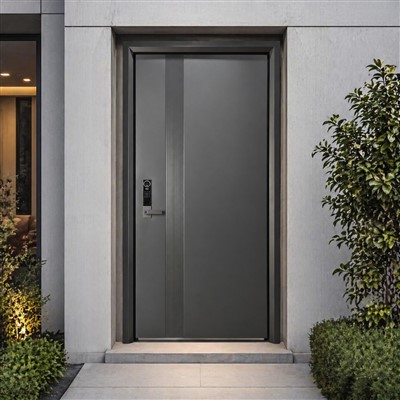
What to Clean Aluminium Double Doors With (And What to Never Use)
After 19 years of manufacturing aluminium double doors at our 9000m² facility in Shaanxi, we have fielded every maintenance question buyers ask. The most common one, by a margin, is what cleaning products are safe to use on aluminium door frames - and what will damage the finish.
The short answer: mild dish soap and warm water handles 90% of routine cleaning. The long answer requires understanding why certain common household cleaners should never touch an aluminium door.


The Finish on Your Aluminium Doors Matters
Aluminium doors are not bare metal. The visible surface is either powder coated to QUALICOAT standards or anodised - both of which create a protective layer that resists corrosion, UV fading, and minor wear. This layer is durable, but it is not chemically indestructible.
Harsh cleaning products strip, etch, or discolour these finishes. Once the coating is damaged, aluminium underneath is exposed to moisture and air, which leads to pitting and white oxidation spots that cannot be cleaned away - they require professional refinishing.
The cleaning rules that follow are written for powder-coated and anodised aluminium surfaces, which covers the vast majority of doors sold by SGL and most aluminium door manufacturers.
Your Go-To Cleaning Solution
Mild dish soap - the kind without bleach additives - dissolved in warm water is the safest and most effective everyday cleaner for aluminium door frames.
What you need:
- 2–3 drops of mild dish soap (fragrance-free is ideal)
- 5 litres of warm water
- A soft microfibre cloth or non-abrasive sponge
How to clean:
- Mix the solution in a bucket
- Dampen the cloth - wring it out so it is wet, not dripping
- Wipe each frame section with light pressure, working top to bottom
- Rinse immediately with clean water using a separate damp cloth
- Dry with a clean microfibre towel to prevent water spots
For the glass panels on your doors, use a standard glass cleaner or a 50:50 white vinegar and water solution - but only on the glass itself. Do not let vinegar-based glass cleaner run onto the aluminium frame.
What You Should Never Use on Aluminium Doors
We see more damage from incorrect cleaning than from weather exposure. Six common household products will degrade the finish on aluminium doors:
| Product | Why It Damages Aluminium Doors |
|---|---|
| Bleach | Causes pitting and white spot corrosion on anodised finishes; breaks down powder coating binders |
| Abrasive cleaners (cream cleansers, scouring powders) | Scratch the surface layer, creating dull patches that cannot be polished out |
| Ammonia-based glass cleaners | Strip the anodised layer over repeated use, leaving the aluminium vulnerable to oxidation |
| Steel wool or abrasive pads | Leave deep scratches and embed iron particles that rust into orange-brown spots on the frame |
| Pressure washers | Force water past weather seals into the frame cavity and door hardware; can strip loose powder coating at edges |
| Strong acids (vinegar at high concentration, brick acid, descaler) | Etch the coating surface, causing permanent dulling and uneven colour |
If you have used any of these products on your doors and notice dull patches, white spots, or uneven colour - the finish has been chemically damaged. Cleaning will not reverse it. Contact your door supplier about respray or refinishing options.
Removing Stubborn Stains Safely
Oil and Grease Marks
Dish soap alone usually handles light grease. For heavier deposits - common on kitchen-facing doors or garage-side installations - use a pH-neutral aluminium cleaner. These are sold at most hardware suppliers and are specifically formulated to break down grease without attacking the coating.
Apply with a soft cloth, let it sit for 30–60 seconds, then wipe clean and rinse thoroughly.
Hard Water and Limescale Deposits
Hard water leaves calcium and magnesium deposits that appear as white chalky film on dark door frames. Vinegar can work here, but at a much more dilute concentration than most online guides recommend.
Safe method:
- Mix 1 part white vinegar to 10 parts water (not 1:3 - this is too strong for coated aluminium, confirmed by the AAMA 609 and 610 cleaning and maintenance standards)
- Test on a small, inconspicuous area first - underside of the bottom rail is ideal
- Apply with a soft cloth to the affected area only
- Let it dwell no more than 60 seconds
- Rinse immediately with clean water and dry completely
Never leave vinegar solution to dry on the frame. The acid concentrates as the water evaporates, which is when damage occurs.
Scratches and Scuffs
Minor scuffs from foot traffic or furniture can be polished out with a non-abrasive automotive polish applied sparingly to the scratched area only. This is a short-term cosmetic fix - deep scratches that expose bare metal require spot repair by a powder coating specialist.


Maintenance Beyond Cleaning
Cleaning is the visible part of door care. Three less visible checks keep your doors operating properly:
Check weather seals every six months. The rubber or brush seals around the door perimeter compress over time. If you can see daylight or feel a draft, the seals need replacement. A tight seal is what maintains the door's thermal and acoustic performance.
Lubricate hinges and locking points annually. Use a dry PTFE spray or silicone lubricant - never WD-40 or penetrating oil on aluminium. Apply a short burst to each hinge knuckle and locking point, then operate the door five or six times to distribute.
Inspect the drainage slots. Aluminium door frames have small drainage channels at the bottom rail that allow water to escape. If these become blocked with debris, water sits inside the frame and can freeze or cause internal corrosion. Clear them with a thin piece of plastic - never metal, which can scratch the channel.
For a broader comparison of how aluminium door maintenance stacks up against other materials, see our guide on how different door materials compare in terms of upkeep.
FAQ
Q: How Often Should I Clean My Aluminium Double Doors?
A: Routine cleaning with mild dish soap and water every 4–6 weeks is sufficient for most installations. Doors facing a busy road, in coastal areas with salt spray, or near construction sites benefit from monthly cleaning to prevent deposit buildup.
Q: Can I Use Household Glass Cleaner On The Aluminium Frame?
A: No. Most household glass cleaners contain ammonia, which strips the anodised surface layer over time. Clean the glass with glass cleaner applied only to the glass - use a separate cloth for the frame. If overspray lands on the aluminium, wipe it off immediately.
Q: My Door Has Lost Its Shine - Can I Polish It?
A: Aluminium doors with a powder-coated or anodised finish should not be polished with metal polish. These products are designed for bare metal and contain abrasives that will dull the coating. The "shine" of a modern aluminium door comes from the smoothness of the coating itself - keep it clean and it will keep its appearance. If the coating has genuinely dulled from environmental exposure, it may need respraying.
Q: What Is The White Chalky Film On My Dark Door Frame?
A: This is almost always hard water deposit - calcium and magnesium minerals left behind when rainwater or sprinkler water evaporates on the frame. Use the 1:10 white vinegar solution described above, applied to the affected areas only. If the film reappears quickly, consider applying a ceramic coating or protective sealant after cleaning.
Q: I Used Bleach On My Aluminium Doors - What Now?
A: Rinse the frame thoroughly with clean water immediately. Dry it completely. Monitor the area over the next few weeks for white spotting or flaking of the coating. If damage appears, it will not self-repair - contact your door supplier to assess whether respraying is needed.
Q: Do Aluminium Bifold Doors Need Different Cleaning Than Standard Double Doors?
A: The cleaning method is identical - the frame material and coatings are the same. Aluminium bifold exterior doors have more moving parts and track channels, so pay extra attention to keeping the bottom track free of debris and the hinge points lubricated. Drainage slots on bifold systems are particularly important because water can pool in the folded stack.
Aluminium Doors That Look New, Year After Year
Aluminium double doors are among the lowest-maintenance door systems available. The finish does the heavy lifting - your role is to clean it gently and keep aggressive chemicals away from it. Follow the routine in this guide, and the doors will look close to new five, ten, and fifteen years after installation.
If you are specifying aluminium doors for a project - whether made-to-measure double glazed doors, white aluminium bifold doors, or a custom configuration - contact our technical team. We provide maintenance documentation, specification sheets, and technical quotations within 48 hours.