

Short Answer
Thermally broken alloy doors can be used in earthquake-prone areas, but the thermal break itself is not what makes a door "earthquake resistant." The door's seismic performance depends on the complete door assembly: aluminium profile strength, frame anchorage, installation tolerance, glass type, hardware, surrounding wall structure, movement allowance and local seismic code review.
In other words, a thermally broken aluminium door may be a good choice for energy efficiency, corrosion resistance and modern building design, but it still needs proper engineering and installation for earthquake-prone locations.
SGL supplies thermal break aluminium doors, aluminium glazed doors, bifold doors and interior aluminium door systems for project buyers. For seismic-risk areas, buyers should send drawings, opening sizes, wall details, glass requirements, building type and local code requirements before quotation.
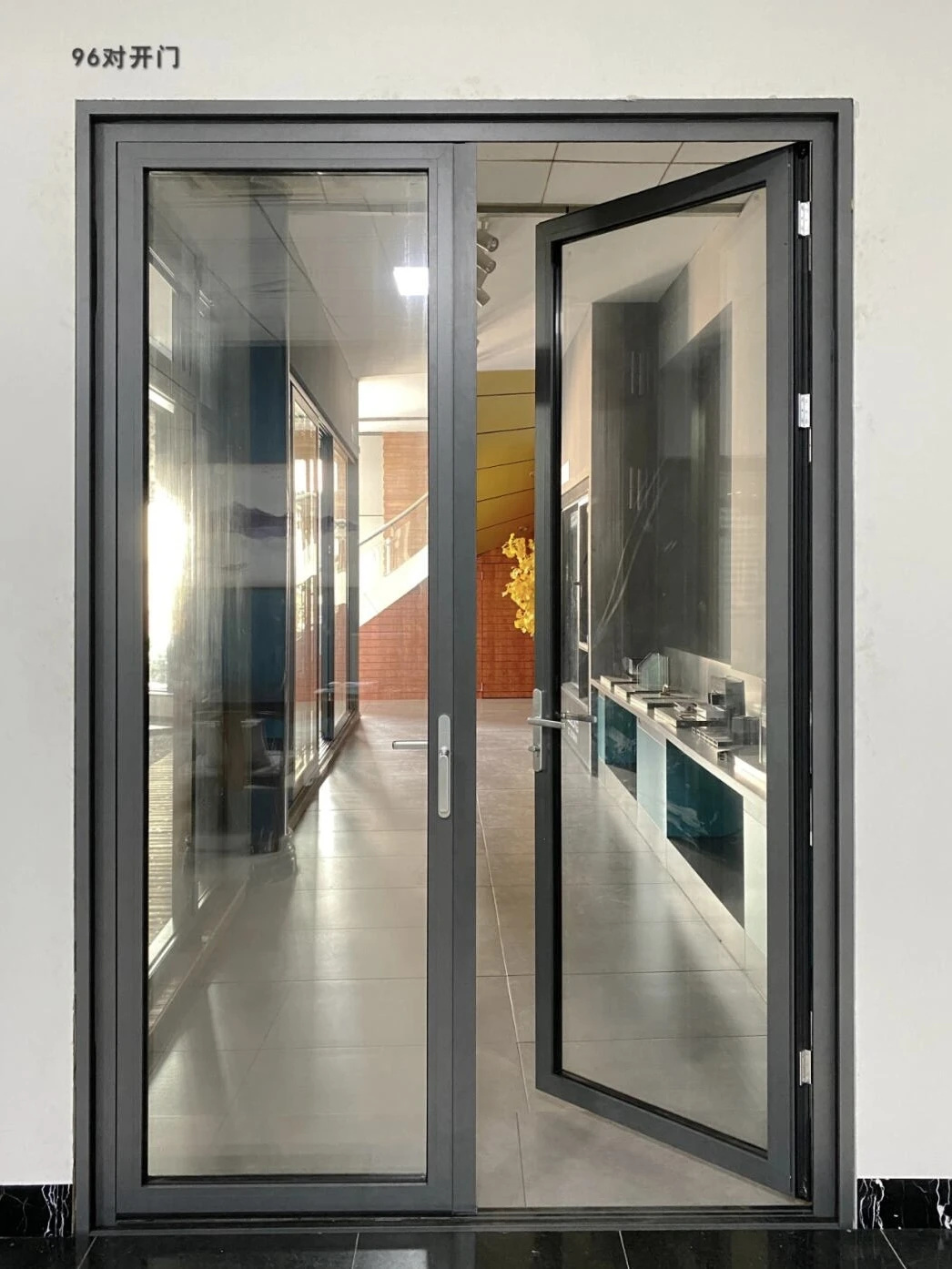
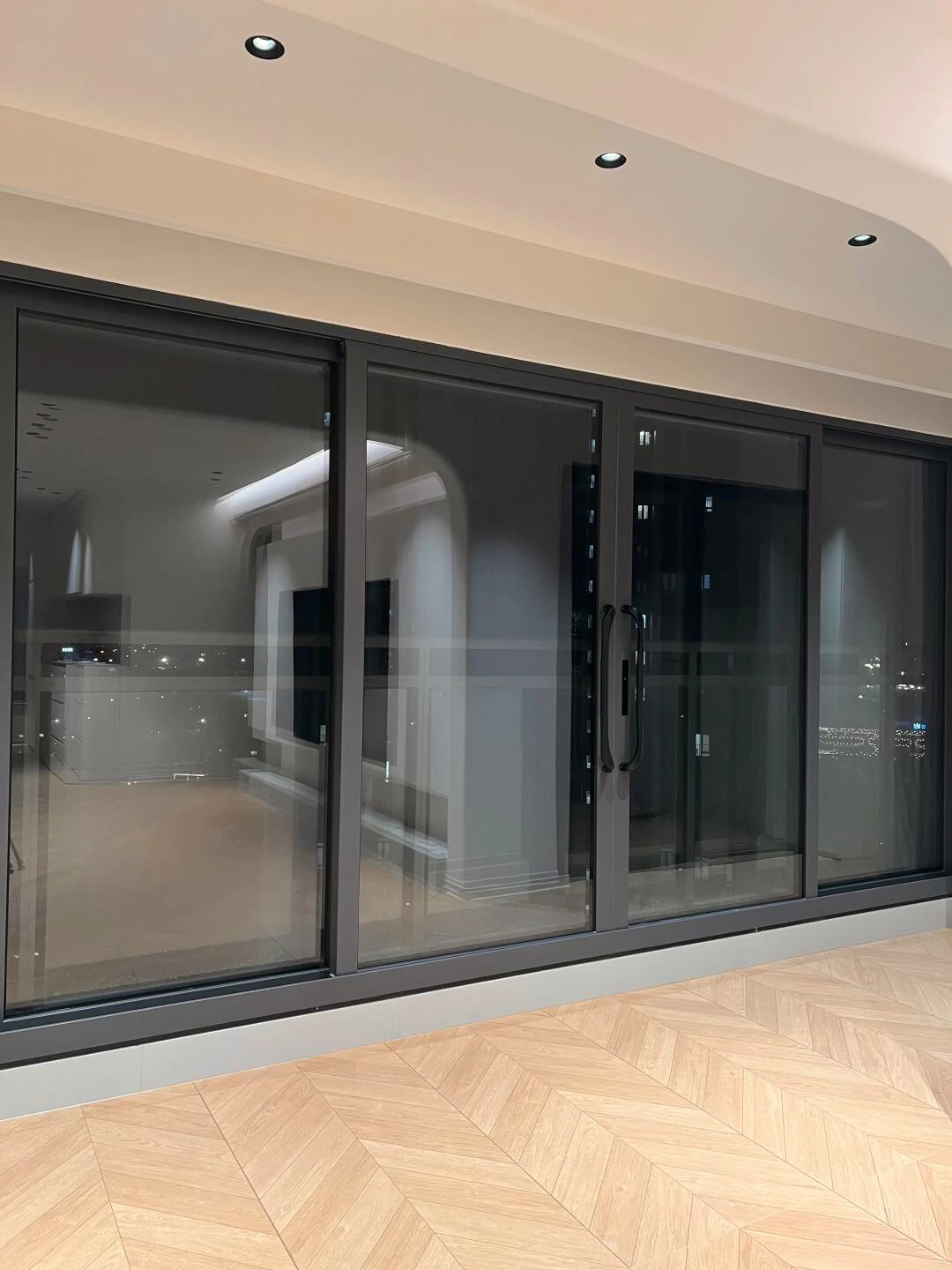
What Are Thermally Broken Alloy Doors?
Thermally broken alloy doors are usually aluminium doors made with an insulating barrier inside the frame profile. In a standard aluminium door, heat can transfer more easily through the metal frame. In a thermal break door, the inner and outer aluminium sections are separated by a non-metal insulating strip, often a polyamide thermal break. This helps reduce heat transfer through the frame.
For exterior doors, the benefit is mainly thermal comfort. A properly specified thermal break aluminium door can help reduce frame-side heat transfer, improve indoor comfort and reduce condensation risk when combined with suitable glass, gaskets, threshold design and installation.
The important point for earthquake-prone areas is this: the thermal break improves insulation, not seismic performance by itself. Seismic performance comes from the complete door system and the way it is attached to the building.

What Happens to Doors During an Earthquake?
During an earthquake, the building can move, sway, rack or shift. Door openings may distort temporarily. Walls, frames and structural elements can move relative to each other. A door assembly may face:
- Frame racking or twisting
- Misalignment between sash and frame
- Glass stress from building movement
- Hardware stress at hinges, locks, rollers or closers
- Anchor movement or fastener pull-out
- Threshold or track distortion
- Debris impact
- Difficulty opening after the event
For this reason, door performance in an earthquake is not only about the door leaf material. The surrounding structure, frame fixing, movement allowance, glass selection and hardware are equally important.
Do Thermally Broken Alloy Doors Resist Earthquakes Better Than Other Doors?
They can perform well when correctly specified, but it is not accurate to say that every thermally broken alloy door is automatically earthquake resistant.
Aluminium has a strong strength-to-weight ratio, which can be useful for door systems. It is lighter than many steel assemblies and more dimensionally stable than timber in many climates. Aluminium frames can also support modern glass options, durable finishes and multi-point hardware.
However, earthquake performance depends on engineering details:
- Is the frame properly anchored to the wall?
- Can the opening tolerate building movement?
- Is the glass safety-rated for door use?
- Are hinges, rollers, locks and closers matched to the door weight?
- Is the threshold or track protected from distortion?
- Does the local code require special seismic review?
- Has the full assembly been tested or approved for the project requirement?
If those details are wrong, even a strong aluminium door can jam, leak, crack glass or become difficult to use after shaking.
Key Design Factors for Earthquake-Prone Areas
1. Frame Anchorage
Frame anchorage is one of the most important factors. The door frame must be fixed to a stable surrounding structure using suitable fasteners, spacing and installation details. If the anchors are weak or the wall opening is poorly prepared, the door may move or deform during shaking.
For project orders, ask for installation drawings showing anchor positions, frame sections, sill detail and fixing method. The installer should confirm these details against the local wall structure and seismic requirements.
2. Movement Tolerance
Buildings in earthquake zones may require movement allowances around openings. A door frame that is installed too tightly inside a moving structure may jam or transfer stress into the glass.
The correct clearance depends on the door type, wall structure, building design and code requirement. This should be reviewed by the project architect, structural engineer or local authority where required.
3. Glass Type
Many thermally broken alloy doors are glazed. Glass choice matters in seismic-risk areas. Tempered glass is stronger than ordinary annealed glass and breaks into small pieces, but it does not stay together after breakage. Laminated safety glass can help hold fragments together because it has an interlayer.
For exterior aluminium glass doors, bifold doors and commercial doors, buyers should review tempered, laminated, double glazed, Low-E laminated or acoustic laminated glass depending on safety, energy, acoustic and local code requirements.
In the United States, CPSC 16 CFR Part 1201 covers safety standards for architectural glazing materials used in doors and sliding glass doors. Other markets may use different standards, so destination-market confirmation is required.
4. Hardware Strength
Door hardware carries the moving parts of the system. In earthquake-prone areas, hardware should be selected for door size, panel weight, glass weight and expected usage.
Important hardware includes:
- Hinges
- Rollers and tracks for sliding or folding systems
- Multi-point locks
- Flush bolts or shoot bolts
- Door closers
- Pull handles and lever handles
- Restrictors where needed
- Anti-lift features for sliding systems
- Fasteners and brackets
Weak hardware can cause panels to sag, lock poorly or move out of alignment even in normal use. Under seismic movement, the risk becomes higher.
5. Door Type
Different door types behave differently during building movement.
| Door type | Seismic-related consideration | Buyer note |
|---|---|---|
| Hinged thermal break aluminium door | Relies on hinge side, lock side and frame anchorage | Good for standard exterior access when frame fixing is correct |
| Aluminium glazed door | Glass selection and frame movement allowance are critical | Use safety glass and confirm local glazing rules |
| Bifold door | Multiple panels, hinges, rollers and tracks need precise alignment | Wide openings need stronger site and installation review |
| Sliding door | Track straightness, roller capacity and anti-lift details matter | Large glass panels need careful sash weight review |
| Interior aluminium door | Mainly supports room division and daily access | Not a structural safety element unless specified as such |
6. Threshold and Track Design
Thresholds and tracks can become weak points if they are not supported, level and protected from movement. Bifold and sliding systems are especially sensitive because rollers depend on straight tracks.
For earthquake-prone projects, confirm:
- Track support
- Drainage path
- Sill fixing
- Level tolerance
- Threshold height
- Waterproofing
- Service access
- Debris risk
7. Installation Quality
Installation quality can decide whether the door performs as intended. The frame must be level, plumb, square and correctly packed. Anchors should match the substrate. Gaps should be sealed correctly. Glass should not be forced into a distorted frame.
For international projects, SGL can support product drawings and packaging, but local installation should be performed by qualified installers familiar with local seismic conditions and building codes.
Product Options SGL Can Review
Thermal Break Aluminium Doors
Thermal break aluminium doors are the closest product match when buyers need an insulated exterior aluminium door. They can be reviewed for villas, apartments, offices, hotels and light commercial buildings where both thermal comfort and durable access matter.
For seismic-risk areas, confirm opening size, frame section, glass build-up, threshold, hardware, wall structure and local code requirement before production.
Slimline Aluminium Double Glazed Bifold Doors
Slimline aluminium double glazed bifold doors can create wide openings with multiple folding panels. They are useful for patios, villas, restaurants, hotels and commercial spaces.
In earthquake-prone areas, bifold systems need careful review because the panels, hinges, rollers and tracks must remain aligned. The larger the opening, the more important the structural opening, head support, track level and panel weight become.
Aluminium Glazed Doors
Aluminium glazed doors are relevant when buyers need daylight, visibility and a slim aluminium frame. For seismic-risk areas, glass type should be reviewed carefully. Laminated or tempered safety glass may be required depending on the location and local rules.
Black Aluminium Internal Doors
Black aluminium internal doors and
black aluminium internal glass doors are mainly interior partition and design products. They can help divide spaces, but they should not be marketed as seismic safety products unless a specific tested assembly and project requirement support that claim.
What Buyers Should Not Assume
Avoid these common assumptions:
- A thermal break automatically makes a door earthquake resistant.
- Lightweight aluminium always performs better than heavier materials.
- Tempered glass is always safer than laminated glass in every scenario.
- Bifold panels can move independently enough to absorb seismic forces without engineering review.
- Door closers can keep doors safely shut during all earthquake movement.
- A door product alone can solve building-level seismic risk.
The safer statement is: thermally broken alloy doors can be suitable for earthquake-prone areas when specified, installed and reviewed as part of the building system.
Specification Checklist for Earthquake-Prone Areas
Use this checklist before requesting a quote:
| Item | What to confirm | Why it matters |
|---|---|---|
| Building location | Country, city and seismic zone if known | Codes and risk levels vary by market |
| Door location | Exterior, interior, entrance, balcony, shopfront, corridor or room divider | Determines weather, safety and access requirements |
| Door type | Hinged, sliding, bifold, glazed, internal or commercial | Different hardware and anchorage requirements |
| Opening size | Width, height, wall thickness and structural opening condition | Affects frame and hardware choice |
| Wall structure | Concrete, masonry, steel frame, timber frame or curtain wall-adjacent opening | Determines anchor type and installation method |
| Glass | Tempered, laminated, double glazed, Low-E, acoustic or safety-rated glass | Controls safety, energy and breakage behavior |
| Hardware | Hinges, rollers, locks, closers, restrictors, anti-lift details | Controls operation and durability |
| Movement allowance | Frame clearance, deflection gap or engineer-specified detail | Helps avoid jamming or glass stress |
| Threshold or track | Low threshold, weathered threshold, sliding track or bifold track | Tracks need level support and drainage |
| Documentation | Drawings, test reports, compliance documents and installation notes | Helps the project team verify suitability |
What to Send SGL for Review
To receive a useful recommendation, send:
- Door schedule or architectural drawings
- Opening width and height
- Door type: hinged, bifold, sliding, glazed or internal
- Exterior or interior location
- Glass requirement
- Frame color and finish
- Wall structure or installation photos
- Project country and city
- Any seismic, safety glass, wind, water, thermal or acoustic requirements
- Required certificates, test reports or local compliance documents
SGL can then review whether a thermal break aluminium door, glazed door, bifold door, sliding door or internal aluminium door is the better product direction for the project.
FAQ About Thermally Broken Alloy Doors in Earthquake-Prone Areas
Are thermally broken alloy doors earthquake resistant?
They can be suitable for earthquake-prone areas when the full door assembly is properly specified and installed. However, the thermal break itself is an insulation feature, not a seismic-resistance feature.
Are aluminium doors good for earthquake-prone areas?
Aluminium doors can be a good option because they are strong, lightweight and stable, but performance depends on frame anchorage, glass, hardware, installation and local code review.
Does the thermal break make the door stronger?
Not necessarily. A thermal break reduces heat transfer through the frame. Structural strength depends on the aluminium profile, reinforcement if used, frame design, hardware, glass weight, anchors and installation.
What glass should be used in earthquake-prone areas?
Safety glass should be reviewed. Tempered glass and laminated glass are common options, but the right choice depends on the door location, building type and local code. Laminated glass may be preferred where holding fragments together is important.
Are bifold doors suitable for earthquake-prone areas?
Bifold doors can be used, but wide multi-panel systems need careful review. Track alignment, head support, roller capacity, panel weight, glass type and structural opening movement matter.
Can door closers improve earthquake safety?
Door closers can help with normal closing control, but they should not be treated as a seismic safety solution by themselves. Hardware should be selected as part of the complete door and building design.
What is the most important installation detail?
Frame anchorage and opening preparation are critical. The door frame should be fixed to a suitable surrounding structure using approved fasteners and clearances for the project condition.
Can SGL supply doors for earthquake-prone regions?
SGL can review project requirements for earthquake-prone regions and recommend suitable aluminium door options. Final suitability depends on drawings, door type, glass, hardware, installation method and destination-market compliance requirements.
Conclusion
Thermally broken alloy doors can be a practical choice in earthquake-prone areas, but they should be specified honestly. Their main built-in advantage is thermal performance. Their earthquake-related performance depends on the complete assembly: aluminium profile, anchorage, movement allowance, glass, hardware, threshold, surrounding wall and installation quality.
For buyers in seismic-risk regions, the right process is to start with the building requirement, not only the door style. Send SGL your drawings, opening sizes, project location, glass needs, hardware requirements and local standards. The team can help review whether thermal break aluminium doors, glazed doors, bifold doors or internal aluminium doors are suitable for your project.


