

If you’ve ever stepped into a modern home or commercial space that feels equal parts sleek, warm, and intentionally uncluttered, there’s a good chance you’ve noticed a black aluminium internal glass door pulling the room together. As a supplier who’s spent years working with these products, I’ve watched this style evolve from a niche design choice for lofts and industrial conversions to a staple in residential remodels, boutique offices, and even high-end retail spaces. The trends shaping black aluminium internal glass doors aren’t just about aesthetics—they’re rooted in how people use interior spaces, the demand for sustainability, and the desire for flexibility in open-plan living. Let’s break down what’s driving today’s designs, and what’s on the horizon for this popular product.
First, the biggest trend I’ve seen in recent years is a shift toward prioritizing thermal performance, not just for external doors, but for internal ones too. For a long time, people saw black aluminium as a cold, material-heavy choice, perfect for separating areas but bad at retaining heat in drafty homes or spaces with large glass panels. That’s changed with the rise of thermal break technology. Now, most modern black aluminium internal glass doors are engineered with a insulated layer between the aluminium extrusions, which reduces thermal transfer between rooms. This is a game-changer for open-plan homes where you might have a home office off the main living space, or a primary suite with a sitting area—you can close the door to keep a study warm in winter without the door feeling like a heat sink against the wall. This technology isn’t new to external doors, of course; if you’re familiar with our [SGL-90 Series Thermal Break Aluminum Windows], you’ll know how thermal breaks improve energy efficiency in glass and aluminium assemblies, and that same logic applies to internal doors. The key difference here is that manufacturers have shrunk thermal break profiles to fit the slimmer, more minimal frames people want for interior spaces. No longer do you have to choose between a thin, sleek black frame and a door that regulates temperature.
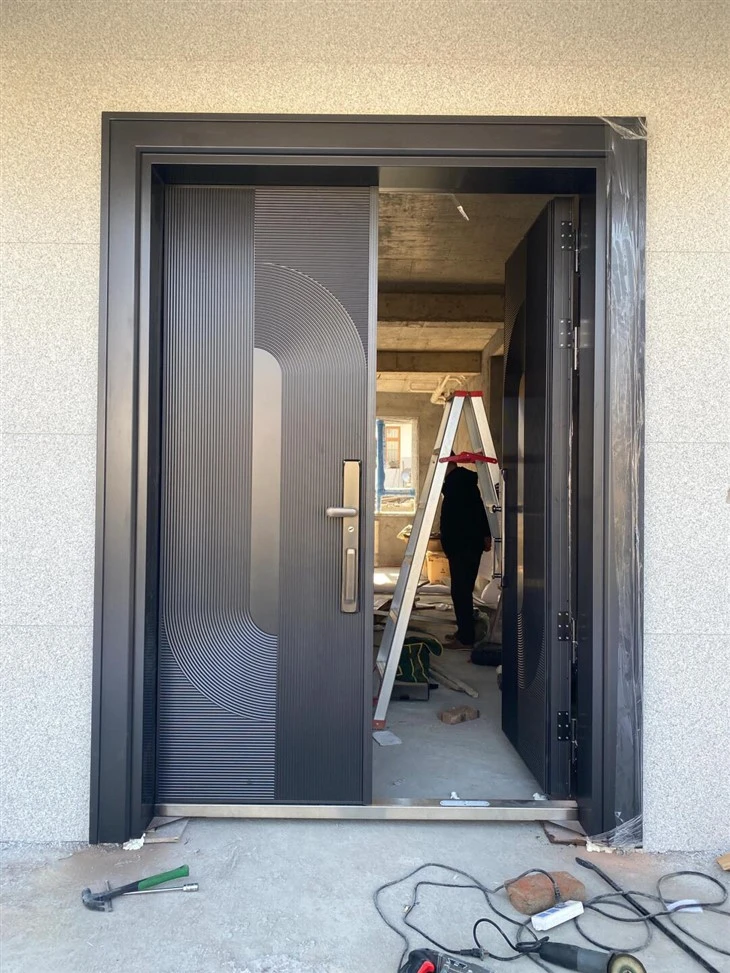

Another core trend is the obsession with minimalism and slim frames. Ten years ago, a typical internal glass door might have had a 70mm frame, with thick, chunky hardware that drew attention away from the glass. Today, many of our most popular designs have frames as narrow as 20mm, with hidden hinges and flush handles that sit level with the door surface. The goal here is to make the glass the star, not the frame. For small spaces, this works because it maximizes natural light—thin frames mean less visual obstruction when you look through the door, so a hallway or small kitchen feels brighter and more connected to adjacent rooms. For open-plan layouts, slim black aluminium doors act as subtle dividers; you get the privacy of a closed door when you need it, but the design doesn’t create a visual break that makes the space feel chopped up. This trend has also spilled over into related products, like sliding doors. Our [Triple Track Aluminium Sliding Doors], for example, use the same slim profile design that makes internal doors so popular, but for larger openings that connect indoor and outdoor spaces—showing how the same design language is applied across interior and exterior products.
Privacy is a big pain point for interior door users, and designers have responded with innovative glass treatments that work with black aluminium frames. Clear glass is still popular, especially in spaces where you want visibility or to let light flow through, but etched, frosted, or patterned glass is in high demand for bathrooms, home offices, or guest rooms. The trick here is that the glass treatments are designed to complement, not clash with, the black aluminium frame. For example, subtle vertical etchings that run the height of the glass create privacy without blocking light, and they pair perfectly with the clean lines of a slim frame. We also see a lot of customers choosing obscure glass with a slight sheen, which adds a soft, textured look instead of the harsh, matte finish of standard frosted glass. Another glass trend we’re seeing is split-panel designs: top half clear, bottom half patterned, so you can see a sliver of light from the hallway while still having privacy for a dressing area or study nook. This level of customization was harder to get with older aluminium door designs, but modern manufacturing processes make it straightforward, which is why so many clients are opting for bespoke black aluminium internal glass doors now.
Sustainability isn’t just a buzzword in the construction industry anymore, and it’s shaping every aspect of door design. Many homeowners and commercial buyers want products that have a lower carbon footprint, and black aluminium doors check a lot of boxes here. Aluminium is 100% recyclable, and recycled aluminium uses 95% less energy to produce than virgin aluminium—so choosing a door made from recycled material reduces environmental impact without sacrificing strength or durability. We’ve also started offering powder-coated finishes for our black doors, which are more eco-friendly than traditional paint because they don’t release volatile organic compounds (VOCs) into the air. Another sustainable feature we’ve integrated into our designs is weather sealing, which extends the life of the door by preventing wear from humidity and temperature changes—so clients don’t have to replace doors every few years, reducing waste. It’s worth noting that this sustainability focus applies to more than just internal doors; our [Interior Aluminium Single Doors] are built with the same durable, eco-friendly materials as our black internal glass doors, so you can create a consistent, sustainable design across your home or space.
Multi-functionality is another trend driving design, especially for modern homes where every inch of space matters. Black aluminium internal glass doors are no longer just for closing off a room; they’re designed to adapt to different needs. For example, many of our clients now choose doors that can swing open fully to create a wide opening between the kitchen and dining area during gatherings, then swing closed to separate the space for quiet work or a movie night. We also offer pocket door options, where the door slides into a wall cavity instead of swinging out, which is perfect for small rooms or spaces where swing doors would get in the way of furniture. Another popular multi-function feature is sound insulation—modern black aluminium doors can be engineered to reduce noise transfer between rooms, which is ideal for home offices that need to be quiet, or bedrooms that should be separate from living areas. This level of adaptability means black aluminium internal glass doors work for every space, from studio apartments to large commercial office suites.
Color and finish details are getting more nuanced, too. Black used to be a flat, uniform color for aluminium doors, but now there are dozens of shades and textures to choose from. We offer everything from matte black, which feels soft and understated for minimal spaces, to satin black, which has a subtle sheen that catches light without being too bold. Some clients even opt for black frames with metallic or smoked glass, which adds a touch of luxury without being over the top. We’ve also started seeing a return to mixed materials, where black aluminium frames are paired with wooden accents on door panels or handles. This blends the industrial edge of aluminium with the warmth of wood, which is perfect for homes that want a modern look but don’t want to feel cold. It’s a nice balance that’s grown in popularity as people move away from all-white or all-industrial spaces.
Now, with all these trends, it’s easy to see why black aluminium internal glass doors continue to grow in popularity. They offer a blend of style, durability, functionality, and now, better performance than ever before. If you’re renovating a home, designing a new commercial space, or just looking to upgrade your interior doors, there are a lot of options to choose from—whether you’re looking for a slim-frame clear glass door to open up a small space, a patterned glass door for privacy, or a thermally broken model to keep your space energy efficient.
If you’re interested in exploring these designs in more detail, or want to discuss what would work best for your specific project, we can help you find the right black aluminium internal glass door to fit your needs. Whether you’re looking for a small interior single door or a larger sliding system, we have a range of products tailored to different spaces and requirements. To learn more about our full range of aluminium doors and windows, or to start a conversation about your project, reach out to our team today. We’d be happy to walk you through our designs, show you samples, and help you find the perfect door for your space.
References
- National Association of Home Builders. (2022). Energy Efficiency Trends in Residential Interior Finishes. Washington, D.C.: NAHB Research Center.
- Aluminium Extruders Council. (2023). Sustainable Applications of Aluminium in Building Construction. Chicago, IL: AEC Publications.
- Interior Design Magazine. (2024). Top Trends in Internal Door Design for Modern Spaces. New York, NY: SANDOW Business Media.
- Building Science Corporation. (2021). Thermal Performance of Interior Doors: Best Practices for Modern Homes. Westford, MA: BSC Research.


