

Humidity can have a significant impact on wooden windows, and as a wooden windows supplier, I've seen firsthand how these effects can play out. Let's dive into what humidity does to wooden windows and how you can manage it.
How Humidity Affects Wood
Wood is a natural material, and it has this unique characteristic of being hygroscopic. That means it can absorb and release moisture from the surrounding air. When the humidity in the air is high, wood tends to soak up that extra moisture. This absorption causes the wood to swell. You might start to notice that your once - perfectly fitting wooden window starts to stick when you try to open or close it. The frames can become a bit warped, and in some cases, the glass panes might even be under stress because of the expanding wood.
On the flip side, when the humidity is low, wood releases the moisture it holds. This leads to shrinkage. Shrunken wood can result in gaps between the window frame and the wall. These gaps not only look unappealing but also allow air to leak in and out of your home. This can be a real problem when it comes to energy efficiency. You end up losing heat in the winter and letting cool air escape in the summer.
Types of Wooden Windows and Their Susceptibility to Humidity
Aluminum Clad Wood Windows
Aluminum Clad Wood Windows are a popular choice among homeowners. The aluminum cladding acts as a protective barrier for the wood. It reduces the direct exposure of the wood to the external humidity. This means that the wood inside is less likely to absorb or lose moisture rapidly. However, it's not completely immune. If there are any gaps or damages in the aluminum cladding, moisture can still find its way to the wood. And over time, if the wood inside gets affected by humidity, it can compromise the overall integrity of the window.
Energy Efficient Wood Windows
Energy Efficient Wood Windows are designed to keep your home well - insulated. But humidity can throw a wrench in their performance. High humidity can cause the wood to expand, which might disrupt the seals around the window. These seals are crucial for maintaining energy efficiency. Once the seals are compromised, outside air can easily seep in, and your energy bills will start to climb. On the other hand, low humidity can cause the wood to shrink, again affecting the seals and the overall insulation properties of the window.

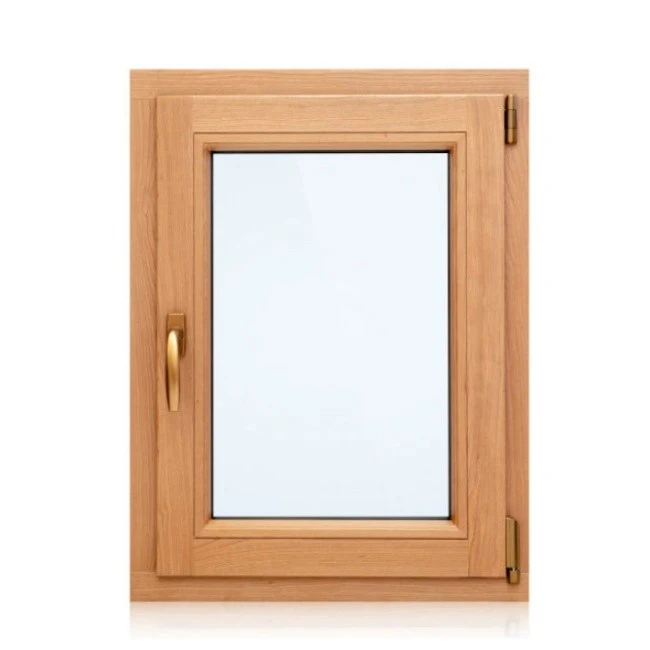
Double Glazed Wood Windows
Double Glazed Wood Windows offer better insulation than single - glazed windows. But they too are at the mercy of humidity. The wooden frames of double - glazed windows can be affected by humidity in the same way as other types of wooden windows. If the wood swells or shrinks, it can put pressure on the double - glazed unit. This might lead to cracks in the glass or a breakdown of the insulating gas between the panes.
Signs of Humidity Damage in Wooden Windows
- Sticking or Jamming: As mentioned earlier, when wood swells due to high humidity, it can make the window difficult to open or close. You might have to use extra force, and in some cases, the window might get completely stuck.
- Gaps and Cracks: Low humidity causes wood to shrink, which can result in visible gaps between the window frame and the wall. Cracks can also appear on the surface of the wood, especially around the corners or edges of the frame.
- Peeling Paint or Finish: Excessive moisture can cause the paint or finish on the wooden window to peel. This not only looks bad but also exposes the wood to more moisture, creating a vicious cycle.
- Condensation: If you notice condensation on the inside of your wooden windows, it could be a sign of high humidity. Condensation can lead to mold and mildew growth, which is not only unsightly but also a health hazard.
Managing Humidity for Wooden Windows
- Use a Humidifier or Dehumidifier: In dry climates, a humidifier can help maintain the right level of moisture in the air, preventing the wood from shrinking. In humid climates, a dehumidifier can reduce the humidity, keeping the wood from swelling.
- Proper Ventilation: Make sure your home is well - ventilated. Open windows regularly to allow fresh air to circulate. This can help balance the humidity levels inside your home.
- Seal and Maintain Windows: Regularly check the seals around your wooden windows and repair any damages. Apply a fresh coat of paint or finish every few years to protect the wood from moisture.
Conclusion
As a wooden windows supplier, I understand the importance of keeping your windows in top condition. Humidity can have a big impact on wooden windows, but with the right knowledge and maintenance, you can minimize these effects. Whether you have Aluminum Clad Wood Windows, Energy Efficient Wood Windows, or Double Glazed Wood Windows, taking care of them in the face of humidity is crucial.
If you're in the market for new wooden windows or need advice on maintaining your existing ones, don't hesitate to reach out. We're here to help you make the best choices for your home.
References
- "Wood Handbook: Wood as an Engineering Material" by Forest Products Laboratory
- "Building Science for Residential Architects" by John Straube and Joseph Lstiburek


