


Quick Answer
WMO's July 2026 El Niño update is a prompt to make project window and door schedules more specific; it is not a forecast for one site and it does not select a product configuration. Before quotation, define the location, facade exposure, intended operation, heat/solar needs, rain/drainage risk, wind criteria and required evidence. A manufacturer can review the schedule, but the project team must verify local requirements and final performance.
What the July 2026 El Niño update means for project buyers
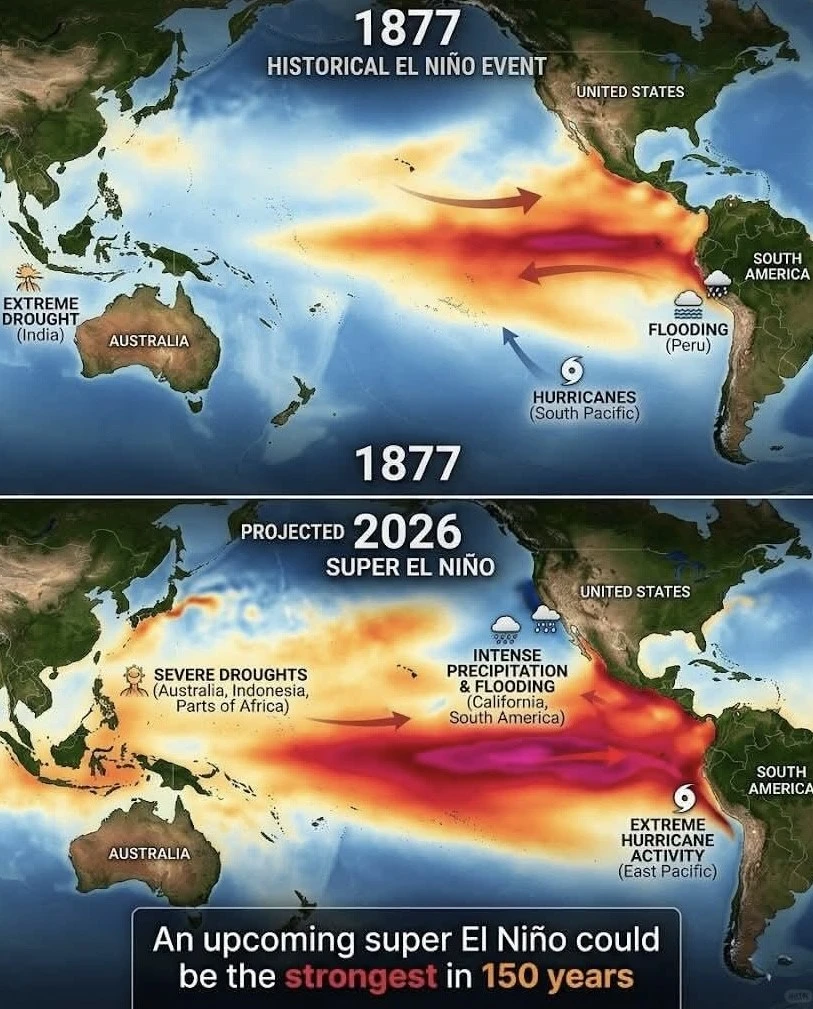
On 3 July 2026, the World Meteorological Organization (WMO) reported that El Niño conditions had developed and were forecast to strengthen during July–September. WMO said a stronger event can increase the likelihood of heatwaves, drought, heavy rainfall and other extreme-weather patterns in many regions.
That is relevant to international construction procurement because an export window or door schedule often travels farther than its original climate assumptions. But a global or regional seasonal outlook is not a local weather forecast, a building code, a design-pressure calculation or a product test. WMO itself presents regional, probabilistic signals and notes that forecast confidence differs by region.
The useful response is not to add "El Niño-ready" to an RFQ. It is to make the actual project inputs visible before the frame, glass, hardware and installation details are selected.
Seven inputs a climate-aware schedule should include
| Input | What the project team should provide | Why it matters |
|---|---|---|
| Exact location | Country, city, site address or coordinates, altitude and distance from coast where relevant | Climate labels such as "tropical" or "hot" are not enough to select a system. |
| Building and facade context | Building use, height, orientation, facade zone, overhangs and shading concept | Exposure can differ substantially from one elevation to the next. |
| Heat and solar objective | Issued energy or comfort target, glazing constraints and solar-control intent | Solar gain, daylight and comfort need a project basis, not a seasonal headline. |
| Rain and drainage conditions | Project rain criteria, sill/drainage detail, cladding and water-management interfaces | Water control depends on the complete opening and installation interface. |
| Wind and structural criteria | Applicable design criteria, opening size, facade elevation and responsible engineer | A general forecast cannot determine design pressure or hardware requirements. |
| Operation and safety | Opening type, ventilation use, security, fall protection, insects, acoustics and maintenance access | The most thermally attractive option may be unsuitable for real operation. |
| Evidence and approval route | Named standards, calculation/test expectations, submittal format, samples and approval owner | It separates a comparable quotation from an unsupported claim. |
Do not turn a climate outlook into a product promise
Terms such as "energy efficient," "heavy rain resistant" or "coastal suitable" are incomplete until the final assembly and project criteria are known. Profile, glass build-up, opening style, hardware, seals, dimensions, drainage and installation can all affect the evidence a project needs.
For terminology support, buyers can review SGL's window U-value, SHGC and thermal-performance guide. It should not be used as proof that a proposed configuration meets an individual project's thermal, solar, acoustic, water or wind requirements.
The same caution applies to local climate. WMO's outlook may help a project team decide which questions to revisit, but it cannot establish that an individual site will experience a particular event or that a particular window configuration is appropriate.
What to send before asking for a quotation
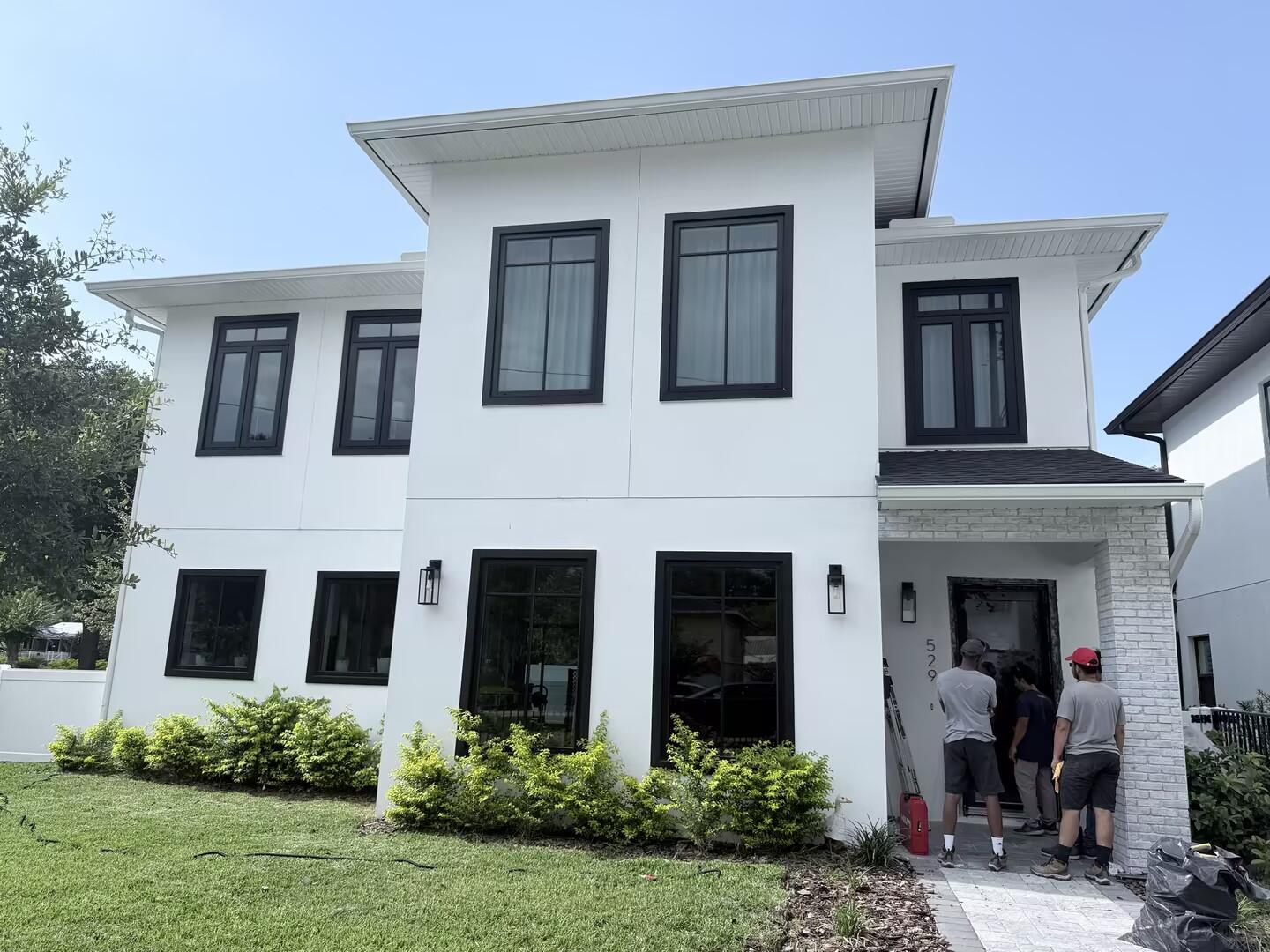
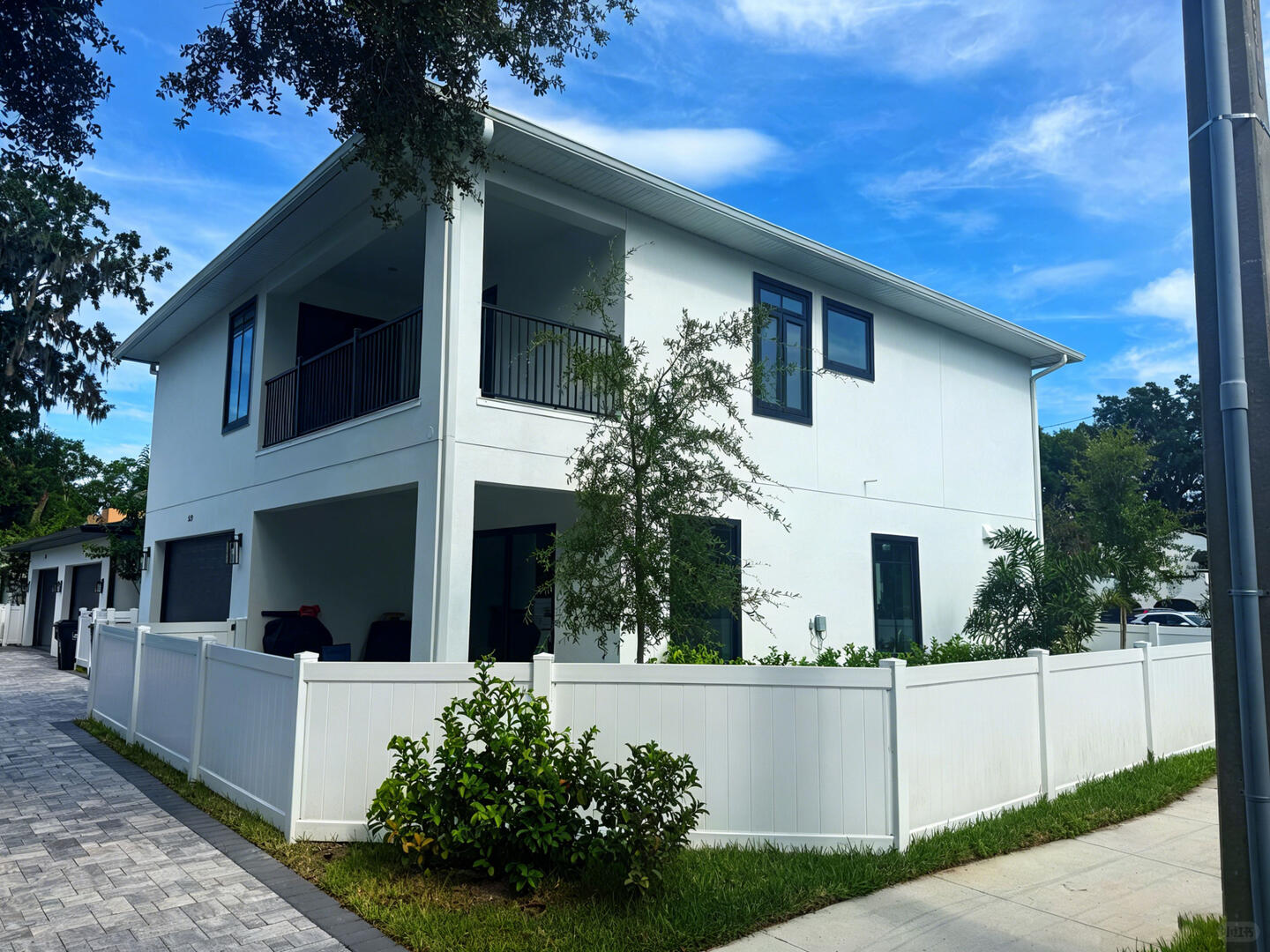
For a useful first review, send the current drawings, opening schedule, project location, facade elevations, intended glass and finish preferences, local/project performance criteria, and any shading or installation details. State whether the request is an early budget price, a tender submittal or a final construction package.
SGL's aluminum windows page describes project-dependent options including size, glass, finish, hardware and opening style. Its
customization support page is the appropriate route for sharing drawings and requirements. Final suitability, tests, certificates, local acceptance and installation responsibility remain requires validation until the project inputs and evidence are confirmed.
A practical handover question
Before a purchase order is released, ask: Which evidence applies to this exact configuration, size and installation condition-and who will confirm it?
This question keeps the responsibility clear. The design team or responsible project professional confirms local requirements and acceptance; the supplier identifies the quoted configuration and available supporting information; the installation team confirms the opening and interface details. A seasonal climate outlook does not replace any of these steps.
FAQ
Does the 2026 El Niño forecast mean my project needs a special window system?
Not by itself. The WMO update is a regional seasonal outlook. The final system must be selected from the project location, facade exposure, issued criteria, building operation and documented evidence.
Can a supplier quote a climate-ready window without local project information?
A preliminary product discussion is possible, but a reliable technical quotation requires project drawings, site information and the relevant performance criteria. Do not treat a generic description as proof of compliance or suitability.
Which details are most often missed in an international window schedule?
Common gaps include facade orientation, opening operation, local rain/wind criteria, drainage and shading interfaces, approval responsibility, and whether the request concerns a budget option or a final submittal. These gaps should be resolved before production release.
External Sources and Notes
- WMO, 3 July 2026: El Niño is forecast to intensify, increasing likelihood of extreme weather
- WMO: El Niño / La Niña phenomena and updates
Editorial note: This is a procurement guide, not a local forecast, engineering calculation, legal interpretation or product certification. Verify local climate data, building rules, project requirements and final product evidence before manufacture or installation.


