When buying windows and doors, many buyers focus first on the frame material, colour, and opening style. Glass configuration, however, has a direct effect on thermal comfort, sound control, safety, daylight, and everyday comfort.
The same aluminium window or door system can deliver very different energy performance, acoustic comfort, and price points when its glass build-up changes.
For that reason, the right choice is not simply the thickest glass or the greatest number of panes. A suitable glass configuration should be selected around the project climate, window or door size, installation location, and required performance.
This guide explains common window and door glass types and how to choose a suitable glass configuration for different residential and building projects.

1. What Should You Consider When Choosing Glass for Windows and Doors?
Before confirming a glass configuration, consider the following factors.
1. Local Climate
Different climates place different demands on window and door glass.
In Canada, Russia, Northern Europe, and other cold-climate regions, windows and doors usually need stronger thermal insulation and lower heat loss. Low-E glass, argon-filled insulated glass units, and triple glazing are therefore common options to review.
In the Middle East, Southeast Asia, and other hot regions, solar control, heat insulation, and reducing unwanted solar radiation entering the building may be more important.
2. Thermal Insulation and Energy-Efficiency Requirements
For projects with higher building-energy requirements, pay attention to the glass U-value and the thermal performance of the complete window or door.
Clear insulated glass provides a basic level of thermal insulation. Low-E glass and argon-filled insulated glass can further reduce heat transfer.
For high-energy-performance homes or homes in very cold regions, a triple-glazed, two-cavity construction is often a more suitable option to consider.

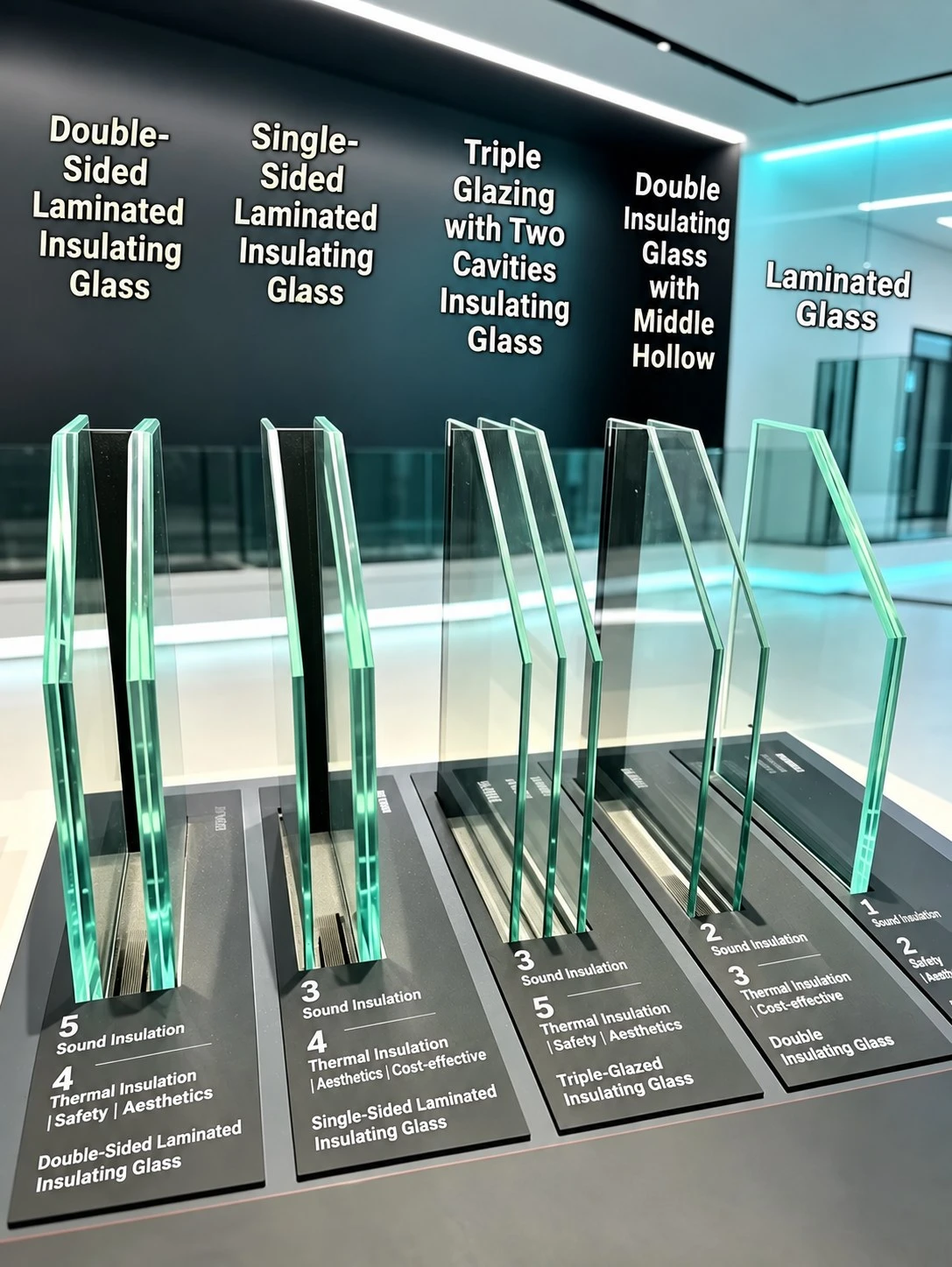
3. Acoustic Requirements
When a home is close to a highway, airport, commercial area, or another noisy location, acoustic performance becomes more important.
In these situations, suitable options may include:
- laminated glass;
- insulated glass units;
- asymmetric glass panes with different thicknesses;
- a combined laminated-and-insulated glass construction.
Rather than simply increasing glass thickness, a well-considered combination of glass layers can often provide a better acoustic result.
4. Safety Requirements
Floor-to-ceiling windows, sliding doors, balcony doors, entrance doors, and areas where people may collide with the glass usually require safety glazing.
Common options include:
- tempered glass;
- laminated glass;
- tempered laminated glass.
Some countries and regions also set mandatory safety-glass requirements based on the glass location, panel area, and installation height. These requirements should be confirmed for the specific project.
5. Window and Door Size and Opening Style
Thicker glass is not always better.
For large sliding doors, folding doors, or large fixed windows, thicker glass adds noticeable weight to the complete system. Too much glass weight can increase the load on rollers, hinges, and other hardware, which may affect long-term operation.
Therefore, the glass thickness must be compatible with the chosen door or window system's profile structure, the load-bearing capacity of the hardware, and the dimensions of the glazing rebate. It is recommended to consult a professional before making a purchase.
2. Common Types of Window and Door Glass
1. Single-Pane Glass
Single-pane glass is the simplest glass configuration, for example:
5 mm tempered glass
It has the advantages of lower cost and lighter weight, but its thermal and acoustic performance is relatively limited.
As a result, single-pane glass is used less often in modern exterior residential windows. It is more suitable for:
- interior partitions;
- some louvre windows;
- shower enclosures; and
- building areas with limited energy-efficiency requirements.
2. Insulated Glass Units
Insulated glass units are one of the most common glass constructions used for residential windows and doors.
Common configurations include:
5 mm + 12A + 5 mm5 mm + 18A + 5 mm6 mm + 12A + 6 mm
Here, A refers to the air space between the two panes of glass.
An insulated glass unit uses two panes of glass and a sealed cavity between them to create an insulating space. This helps reduce direct heat transfer between indoor and outdoor air.
Compared with single-pane glass, insulated glass usually offers better thermal insulation, acoustic comfort, and resistance to condensation.
For many standard residential projects, double-glazed insulated glass can meet basic everyday requirements.
3. Low-E Glass
Low-E glass, or low-emissivity glass, is widely used in modern energy-efficient windows and doors.
Its surface has a special low-emissivity coating that helps reduce the transfer of infrared heat.
In simple terms, Low-E glass can help a building retain more indoor heat in winter and reduce part of the external heat entering in summer, while still allowing good natural daylight.
A common configuration is:
5 mm Low-E + 20A + 5 mm
For projects with higher energy-efficiency and comfort requirements, Low-E glass is often a more suitable choice than clear insulated glass.

4. Argon-Filled Insulated Glass
Filling the cavity of an insulated glass unit with argon can further improve its thermal-insulation performance.
For example:
5 mm Low-E + 20Ar + 5 mm
In this configuration:
Ar = argon
Argon is an inert gas with lower thermal conductivity than ordinary air, so it can reduce heat transfer within the glass cavity.
Low-E glass combined with argon fill is a common configuration in energy-efficient window systems in Europe and North America. It is particularly suitable to review for cold climates, high-energy-performance homes, and projects with a defined U-value requirement.
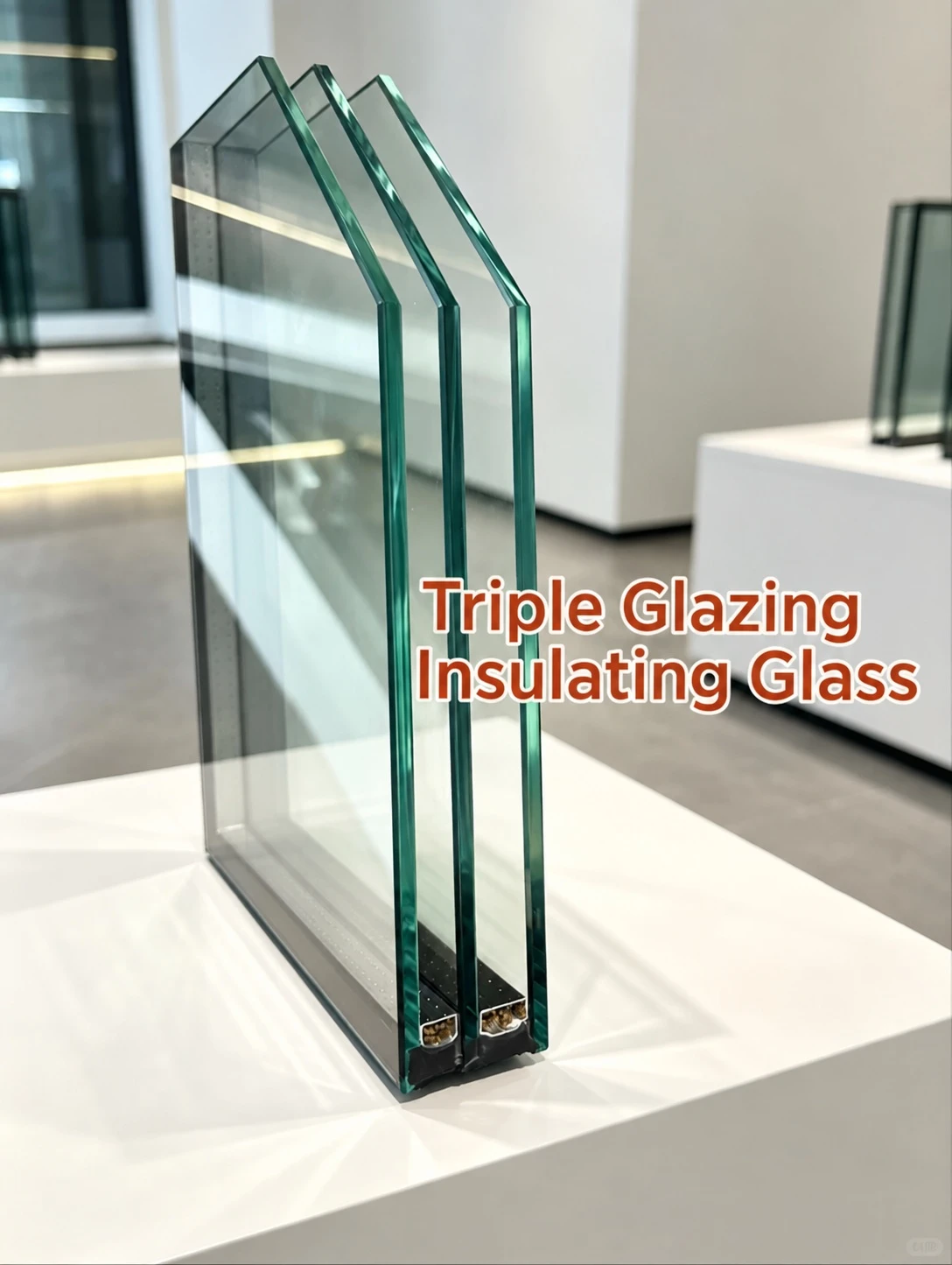
5. Triple Glazing with Two Cavities
For projects in very cold regions, or projects with higher energy-efficiency requirements, triple glazing with two cavities can be considered.
For example:
5 mm Low-E + 12Ar + 5 mm + 12Ar + 5 mm
This construction uses three panes of glass and two insulated cavities.
Compared with standard double glazing, triple glazing with two cavities can further improve thermal insulation, heat retention, acoustic comfort, and interior glass-surface temperature.
It is therefore often used in Canada, Russia, Northern Europe, cold-climate housing, and high-performance energy-efficient buildings.
Keep in mind that triple glazing is noticeably heavier than double glazing. Before choosing it, confirm that the selected frame and hardware system can support the corresponding glass weight.
6. Tempered Glass
Tempered glass is one of the most common safety-glass options. After heat treatment, its mechanical strength is generally much higher than ordinary glass.
When tempered glass breaks, it forms many smaller fragments, which reduces the risk of serious injury from large, sharp pieces of glass.
Tempered glass is therefore commonly used for:
- floor-to-ceiling windows;
- large sliding doors;
- balcony doors;
- glazed entrance doors;
- locations where people may be more likely to collide with the glass.
For larger windows and doors, glass thickness should also be reviewed according to glass area and wind-load requirements.
7. Laminated Glass
Laminated glass is made from two or more panes of glass combined with an interlayer such as PVB or SGP.
For example:
5 mm + 0.76 PVB + 5 mm
One of the main characteristics of laminated glass is that, if the glass breaks, the fragments can remain attached to the interlayer rather than falling away immediately.
Laminated glass is commonly used for:
- areas with higher safety requirements;
- floor-to-ceiling windows;
- balcony areas;
- overhead glazing;
- entrance doors; and
- locations requiring additional protection.
It can also provide useful acoustic performance. For homes facing busy streets, laminated glass can be combined with an insulated-glass construction to improve the overall acoustic result.

8. Tempered Laminated Glass
If a project needs both higher mechanical strength and glass that remains together after breakage, tempered laminated glass can be selected.
For example:
6 mm tempered + 1.52 PVB + 6 mm tempered
This construction combines the characteristics of tempered glass and laminated glass.
Common applications include:
- large floor-to-ceiling glazing;
- commercial buildings;
- balcony areas; and
- high-end residential projects.
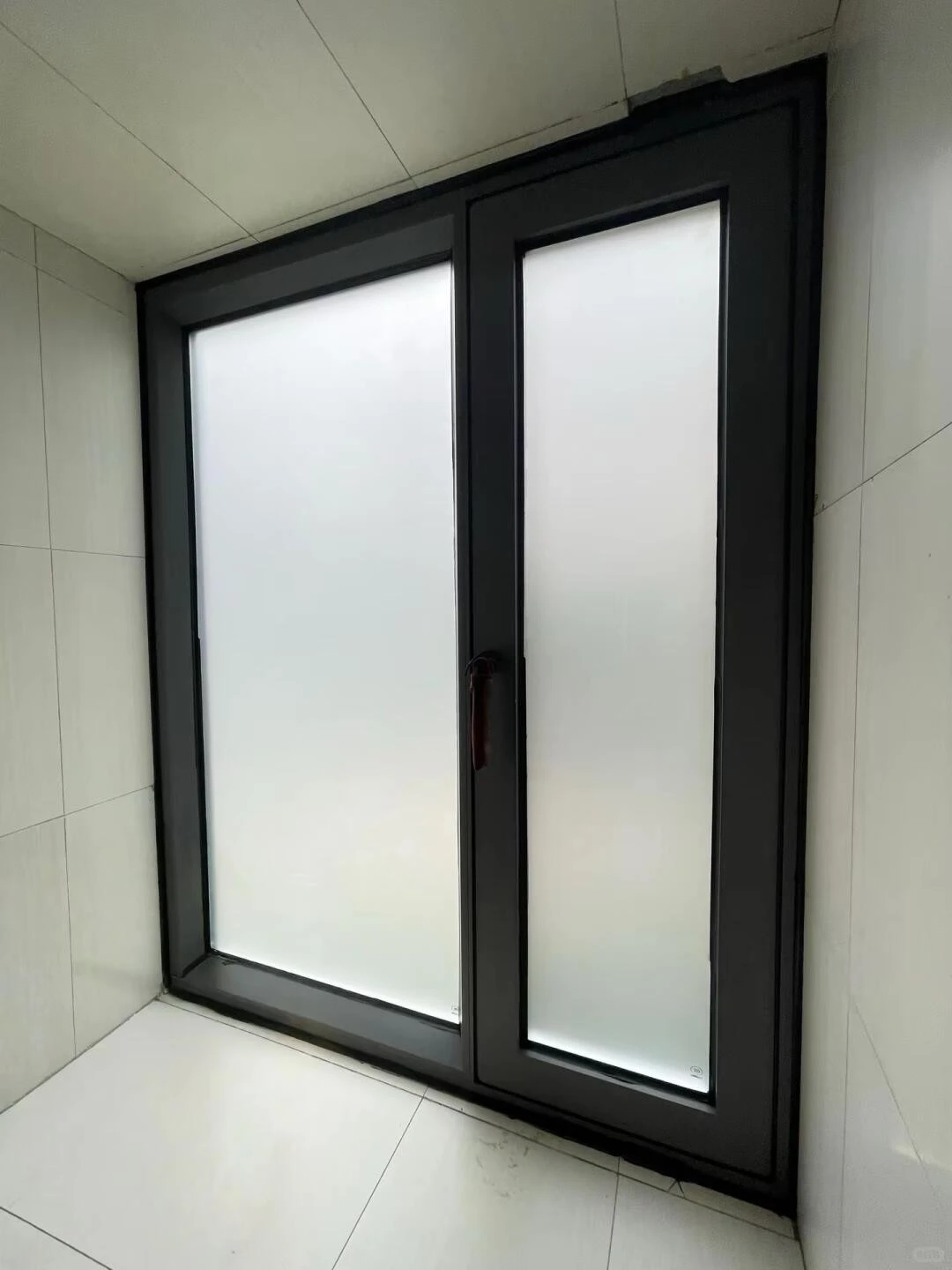
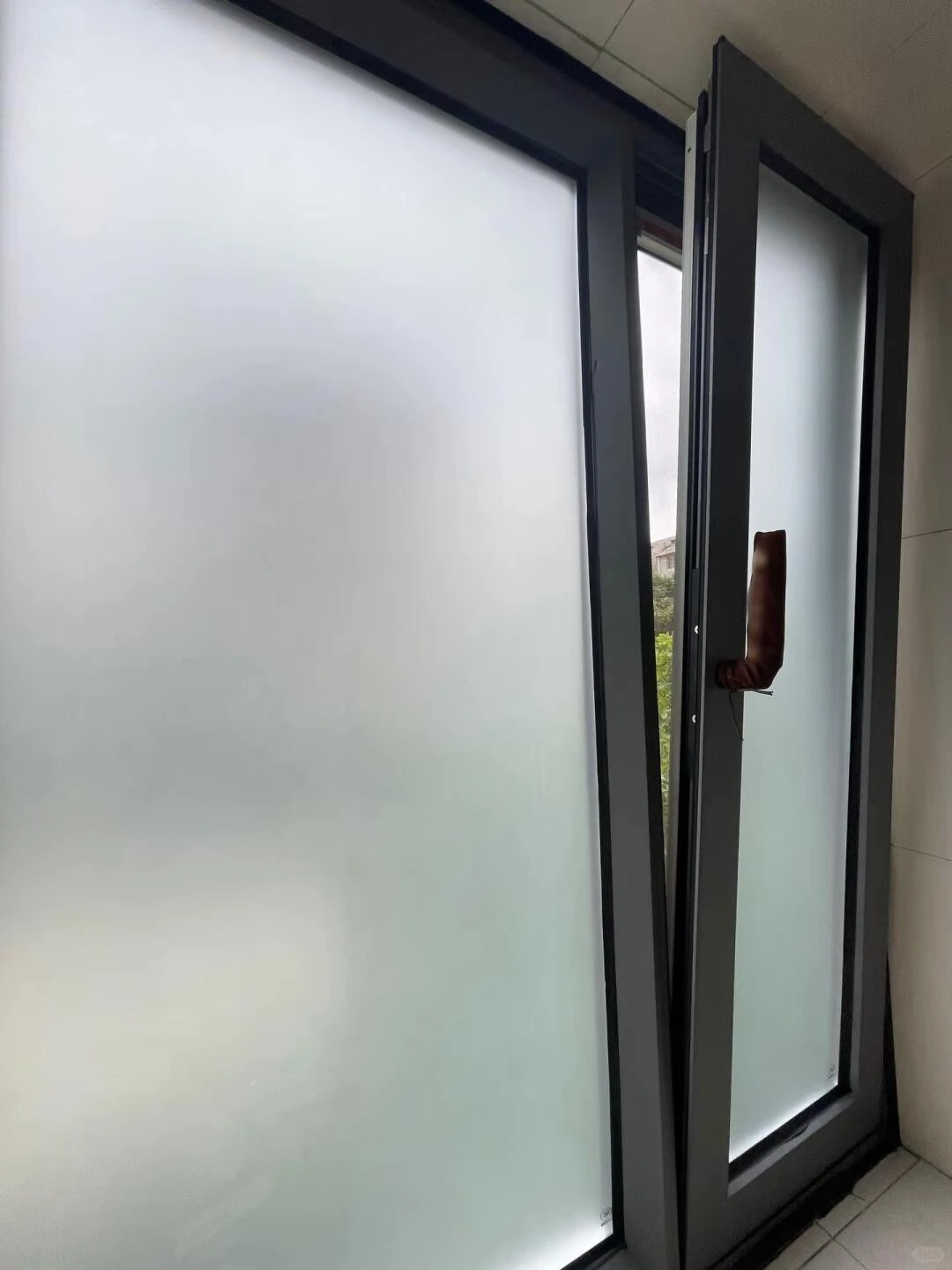
9. Frosted and Etched Glass
Frosted and etched privacy glass can be used for bathrooms, dressing rooms, and other spaces where privacy is needed.
These glass types reduce direct visibility while still allowing a degree of natural light into the space.
Common applications include:
- bathroom windows;
- bathroom doors;
- shower enclosures; and
- residential areas with higher privacy requirements.
For a softer or more refined visual effect, extra-clear frosted glass or double-sided etched glass can also be considered.
3. Which Glass Should You Choose for Different Applications?
For many standard residential projects, a common starting point is:
5 mm + 12A + 5 mm insulated glass
For improved energy efficiency, this can be upgraded to:
5 mm Low-E + 20A + 5 mm
For cold-climate projects, a suitable option to consider is:
5 mm Low-E + 20Ar + 5 mm
For projects in extremely cold regions, or projects with higher energy-efficiency requirements, consider:
Triple glazing with two cavities + Low-E + argon
For large sliding doors and floor-to-ceiling windows, consider:
Tempered insulated glass
Where higher safety is required, consider:
Laminated glass or tempered laminated glass
For homes facing busy streets or higher noise levels, consider:
A combined laminated-and-insulated glass construction
For bathrooms and other privacy-sensitive areas, consider:
Frosted tempered glass or etched tempered glass
4. Is Thicker Glass Always Better?
No.
Many buyers assume that thicker glass automatically means a better window or door. In practice, a window or door is a complete system.
Increasing glass thickness also increases weight. For example, very thick triple glazing in a large sliding door can add substantial load to the rollers and track system. Over time, this may affect how smoothly the sash operates and the service life of the hardware.
Different aluminium frame systems also have a specified glazing-thickness range. If the overall glass thickness exceeds the frame's design limit, the glass cannot be installed correctly.
For this reason, a suitable configuration should consider:
frame system + glass construction + window or door size + hardware load capacity + operating environment
The goal is not to pursue one parameter in isolation.
5. What Is the Difference Between Air-Filled and Argon-Filled Insulated Glass?
Standard insulated glass usually contains air in the cavity, while higher-performance insulated glass can be filled with argon.
Argon has lower thermal conductivity than ordinary air, so it can further improve thermal-insulation performance within the glass unit.
For projects in mild climates, standard air-filled insulated glass can often meet everyday needs.
For projects in colder climates, or projects requiring a lower U-value, Low-E + argon can be considered.
This combination is common in energy-efficient homes.
6. How Do You Choose the Right Glass for Your Project?
If you are buying windows and doors for a house, villa, apartment, hotel, or commercial building, provide the following information before finalising the glass selection:
- project country and city;
- window and door dimensions;
- opening style;
- building type;
- local winter and summer temperatures;
- safety requirements;
- acoustic requirements; and
- whether an energy-efficiency certification is required.
A window and door manufacturer can use this information to review the frame system, glass thickness, and hardware load capacity together.
This approach usually produces a more practical balance of cost and performance than simply specifying the thickest possible glass.
Conclusion
Glass selection affects how a building feels and performs for many years. Standard homes, mid- to high-end residences, cold-climate projects, and large commercial buildings do not all need the same glass configuration.
A suitable glass solution should balance:
safety, thermal insulation, acoustic comfort, energy efficiency, weight, and budget.
If you are unsure which glass configuration suits your project, send us the window and door sizes, quantities, project location, and performance requirements.
SGL Doors & Windows can review custom aluminium windows, aluminium doors, uPVC windows, uPVC doors, and different glass configurations around the climate conditions and project requirements you provide. Confirm the final glass build-up, frame compatibility, hardware capacity, applicable documentation, and local requirements before order confirmation.