When it comes to traditional architecture, the choice of windows plays a crucial role in maintaining the aesthetic and functional integrity of the building. As a composite windows supplier, I often get asked whether composite windows are suitable for traditional architecture. In this blog post, I'll delve into this topic and share my insights.
Understanding Traditional Architecture
Traditional architecture encompasses a wide range of styles, from Victorian and Georgian to Colonial and Mediterranean. Each style has its own unique characteristics, including specific window designs, materials, and proportions. For example, Victorian architecture is known for its ornate details, such as bay windows, sash windows with intricate glazing patterns, and decorative moldings. Georgian architecture, on the other hand, features symmetrical facades, large sash windows with divided lights, and elegant proportions.


What Are Composite Windows?
Composite windows are made from a combination of different materials, such as wood, plastic, and fiberglass. These materials are combined to create a window that offers the best of both worlds: the durability and low maintenance of plastic or fiberglass, and the aesthetic appeal of wood. Composite windows come in a variety of styles and colors, making them a versatile option for both traditional and modern architecture.
Advantages of Composite Windows for Traditional Architecture
- Aesthetic Appeal: Composite windows can be designed to mimic the look of traditional wood windows, with features such as simulated wood grain, divided lights, and decorative hardware. This allows you to maintain the historical integrity of your traditional building while enjoying the benefits of modern window technology.
- Durability: Composite windows are highly durable and resistant to rot, decay, and insect damage. They are also less likely to warp, crack, or peel over time, making them a long-lasting investment for your traditional home.
- Energy Efficiency: Composite windows are designed to provide excellent insulation, which can help reduce your energy bills and keep your home comfortable year-round. This is especially important in traditional buildings, which may have older, less efficient windows.
- Low Maintenance: Unlike traditional wood windows, composite windows require minimal maintenance. They can be easily cleaned with soap and water, and they do not need to be painted or stained regularly.
- Customization: Composite windows can be customized to fit the specific requirements of your traditional architecture. You can choose from a variety of styles, colors, and hardware options to create a window that complements the overall design of your home.
Considerations When Choosing Composite Windows for Traditional Architecture
- Style and Design: When choosing composite windows for traditional architecture, it's important to select a style and design that matches the historical period of your building. Look for windows that have the same proportions, glazing patterns, and decorative details as the original windows.
- Material Quality: The quality of the composite material used in the windows is crucial for ensuring their durability and performance. Look for windows that are made from high-quality materials and have a good track record of performance.
- Energy Efficiency: Energy efficiency is an important consideration for any window, but it's especially important for traditional buildings. Look for windows that have a high energy efficiency rating and are designed to provide excellent insulation.
- Installation: Proper installation is essential for ensuring the performance and longevity of your composite windows. Make sure you hire a professional installer who has experience working with composite windows and traditional architecture.
Examples of Composite Windows in Traditional Architecture
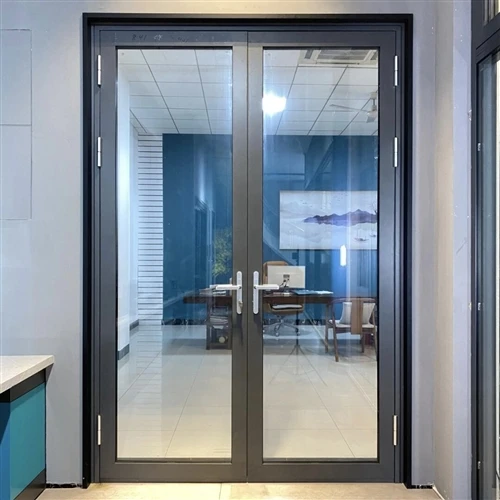
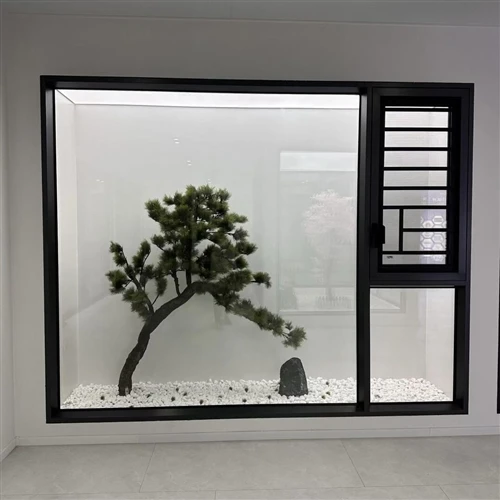
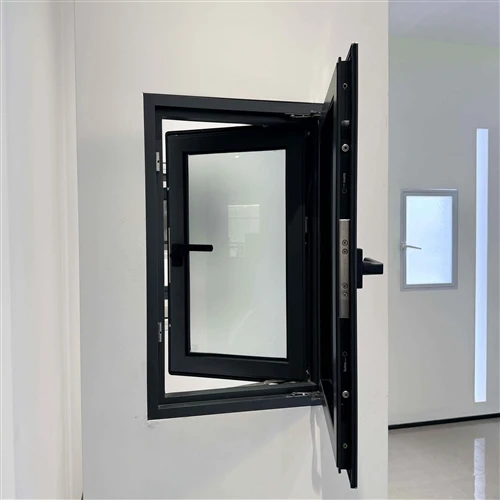
- Vinyl Window: Vinyl windows are a popular choice for traditional architecture because they are affordable, durable, and easy to maintain. They can be designed to mimic the look of traditional wood windows, with features such as simulated wood grain and divided lights. Vinyl Window
- Wood Plastic Composite Windows: Wood plastic composite windows are a hybrid of wood and plastic, offering the best of both worlds. They have the aesthetic appeal of wood and the durability and low maintenance of plastic. Wood Plastic Composite Windows
- Durable Window: Durable windows are designed to withstand the elements and provide long-lasting performance. They are made from high-quality materials and are available in a variety of styles and colors. Durable Window
Conclusion
In conclusion, composite windows are a suitable option for traditional architecture. They offer a combination of aesthetic appeal, durability, energy efficiency, and low maintenance, making them a great choice for homeowners who want to preserve the historical integrity of their traditional buildings. When choosing composite windows for traditional architecture, it's important to consider the style and design, material quality, energy efficiency, and installation. If you have any questions or would like to learn more about our composite windows, please don't hesitate to contact us. We'd be happy to help you find the perfect windows for your traditional home.
References
- "Traditional Architecture Styles and Their Window Features." Architectural Digest.
- "Composite Windows: A Guide to Choosing the Right Windows for Your Home." HomeAdvisor.
- "Energy-Efficient Windows for Traditional Homes." Energy Star.