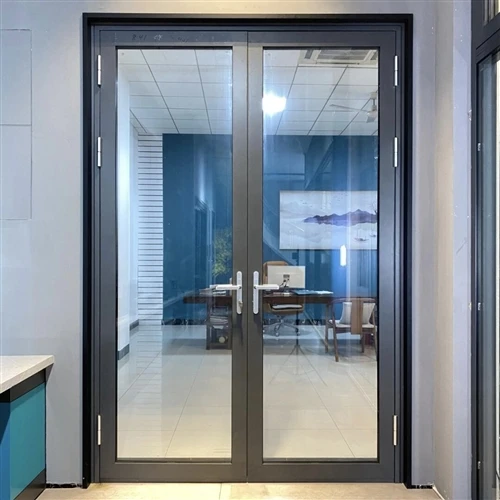
Are steel security doors noisy when opening and closing? This is a question that many potential buyers often ask. As a supplier of Steel Security Doors, I have encountered this query numerous times, and I'm here to provide a comprehensive and scientific analysis.
Factors Affecting Noise Levels
1. Material Quality
The quality of the steel used in the security doors plays a crucial role in determining the noise level during opening and closing. High - quality steel, which is properly treated and has a uniform density, is less likely to produce excessive noise. Inferior steel may have irregularities in its structure, such as small cracks or uneven surfaces. When the door moves, these imperfections can cause friction and vibration, resulting in a rattling or screeching sound.
For example, if the steel has not been annealed correctly, it may be too brittle. As the door is opened or closed, the brittle steel can make a sharp, cracking noise. On the other hand, well - processed steel with good ductility and strength will move smoothly on the hinges and tracks, minimizing noise.
2. Hinge and Track System
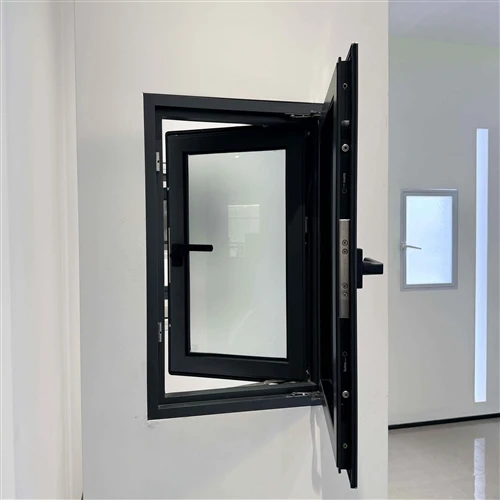
The hinge and track system is another significant factor. A high - end hinge system is designed to provide smooth movement. Ball - bearing hinges, for instance, reduce friction between the moving parts. They allow the door to swing open and shut with ease, producing little to no noise.


In contrast, low - quality hinges may be made of cheap materials that wear out quickly. Over time, the worn - out hinges can become loose, causing the door to rattle. The tracks also need to be of high quality. If the tracks are not straight or are damaged, the door may scrape against them, creating a loud, grating noise.
3. Installation Quality
Even the best - quality steel security doors can be noisy if they are not installed correctly. Improper installation can lead to misalignment of the door within the frame. When the door is misaligned, it may rub against the frame or the surrounding walls during opening and closing.
For example, if the door is not level, it may put extra pressure on one side of the hinges or tracks. This uneven pressure can cause the door to bind, resulting in a squeaking or grinding noise. A professional installer will ensure that the door is properly aligned, plumb, and level, which significantly reduces the chances of noise.
Noise - Reduction Measures
1. Lubrication
Regular lubrication of the hinges and tracks is an effective way to reduce noise. A silicone - based lubricant can be applied to the moving parts of the door. The lubricant forms a thin film that reduces friction between the metal surfaces.
It is recommended to lubricate the hinges and tracks at least once every six months. This simple maintenance step can keep the door operating quietly and smoothly.
2. Weatherstripping
Weatherstripping not only helps with insulation but also reduces noise. By sealing the gaps between the door and the frame, weatherstripping prevents air and debris from getting in and causing rattling.
There are different types of weatherstripping available, such as rubber, foam, and vinyl. Each type has its own advantages, but all can contribute to a quieter door operation.
3. Sound - Dampening Materials
Some steel security doors are designed with sound - dampening materials. These materials can be installed within the door panel or around the frame. For example, a layer of acoustic foam can be added to the interior of the door. This foam absorbs the sound waves generated during opening and closing, reducing the overall noise level.
Our Company's Approach
As a supplier of Steel Security Doors, we take several steps to ensure that our doors are as quiet as possible. First, we source high - quality steel from reputable suppliers. Our steel undergoes strict quality control measures to ensure its uniformity and strength.
We also invest in the latest hinge and track systems. Our doors are equipped with high - end ball - bearing hinges and precision - engineered tracks. This ensures smooth and quiet operation.
In addition, we have a team of professional installers. Our installers are trained to install the doors with the utmost precision, ensuring proper alignment and levelness.
Comparison with Other Types of Doors
1. Steel Entry Doors
Steel Entry Doors are often used as the main entrance to a building. In general, steel entry doors can be relatively quiet when opening and closing, especially if they are of high quality. However, since they are often used more frequently than security doors, they may require more maintenance to keep them quiet.
The design of steel entry doors may also be different from security doors. Some entry doors may have decorative elements that can add a bit of weight or complexity, which could potentially affect the noise level. But with proper installation and maintenance, they can operate quietly.
2. Steel Garage Doors
Steel Garage Doors are usually larger and heavier than security doors. The noise level of steel garage doors can vary significantly depending on their size, the type of opening mechanism (roller - type or sectional), and the quality of the components.
Larger garage doors may produce more noise simply due to their size and the amount of movement involved. However, modern steel garage doors are often equipped with advanced noise - reduction features such as insulated panels and quiet - running motors.
Conclusion
In conclusion, steel security doors do not have to be noisy when opening and closing. By choosing high - quality materials, ensuring proper installation, and implementing noise - reduction measures, it is possible to have a quiet - operating steel security door.
As a supplier, we are committed to providing our customers with steel security doors that are not only secure but also quiet. If you are in the market for a steel security door and have concerns about noise, we encourage you to contact us. Our team of experts can provide you with detailed information about our products and how we can meet your specific needs. Whether you are looking for a door for your home or business, we have the right solution for you. Contact us today to start the procurement process and discuss your requirements.
References
- "Handbook of Door and Window Engineering" - A comprehensive guide on door design, materials, and installation.
- Industry research reports on steel door manufacturing and performance.
- Technical specifications from hinge and track system manufacturers.