In the realm of religious architecture, the choice of doors is a decision that marries functionality with symbolism. Historically, religious buildings have been adorned with doors crafted from a variety of materials, each carrying its own cultural and spiritual significance. Wood, for instance, has long been a popular choice, evoking warmth, naturalness, and a connection to the earth. Stone doors, on the other hand, convey a sense of permanence, strength, and grandeur. But in recent times, there has been a growing consideration of steel doors for religious structures. As a steel doors supplier, I am often asked whether steel doors can be used in religious buildings. In this blog post, I will explore the viability of steel doors in religious settings, weighing their advantages and potential drawbacks.
Advantages of Steel Doors in Religious Buildings
Durability and Longevity
One of the most significant advantages of steel doors is their exceptional durability. Religious buildings are often public spaces that experience high foot traffic, and doors are subject to constant use. Steel doors can withstand the rigors of daily opening and closing, as well as potential impacts and abrasions. They are resistant to warping, cracking, and rotting, which are common issues with wooden doors, especially in areas with high humidity or extreme weather conditions. This durability ensures that steel doors maintain their functionality and appearance over a long period, reducing the need for frequent replacements and repairs. For religious institutions with limited budgets, this long - term cost - effectiveness can be a major benefit.
Security
Security is a crucial concern for religious buildings, which often house valuable religious artifacts, records, and sometimes serve as gathering places for large groups of people. Steel doors provide a high level of security. They are difficult to break through compared to wooden doors, acting as a strong deterrent against unauthorized entry and theft. Steel Security Doors can be equipped with advanced locking systems, such as deadbolts and electronic locks, further enhancing the safety of the premises. This is particularly important in today's world, where religious institutions are not immune to security threats.
Fire Resistance
Fire safety is another critical aspect in religious buildings, which are often filled with flammable materials such as wooden pews, curtains, and candles. Steel Fire Rated Doors offer excellent fire resistance. They can prevent the spread of fire and smoke for a specified period, allowing occupants more time to evacuate safely. In the event of a fire, steel fire - rated doors can be a life - saving feature, protecting both the building's structure and the people inside.
Design Flexibility
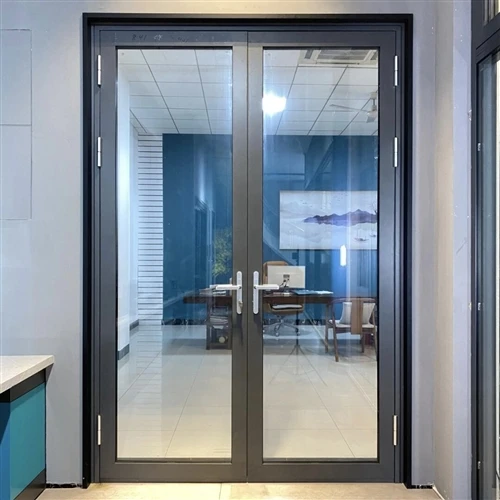
Contrary to the perception that steel doors are cold and industrial - looking, modern steel doors offer a wide range of design options. They can be customized to fit the architectural style of any religious building, whether it is a traditional cathedral, a contemporary mosque, or a simple chapel. Steel doors can be finished in various colors, textures, and patterns to match the overall aesthetic of the religious space. They can also be designed with decorative elements such as etched glass, religious symbols, or intricate metalwork, adding a touch of spirituality and beauty to the entrance. Steel Entry Doors can be made to be grand and imposing or simple and understated, depending on the design requirements.
Potential Drawbacks of Steel Doors in Religious Buildings
Aesthetic Perception
Some people may argue that steel doors lack the traditional warmth and organic feel associated with materials like wood or stone, which have been used in religious architecture for centuries. In religious settings, the aesthetic of the building is often closely tied to its spiritual significance, and the use of steel doors may be seen as a departure from the traditional design language. However, as mentioned earlier, with modern design techniques, this drawback can be mitigated by creating steel doors that blend seamlessly with the existing architecture and convey a sense of reverence.
Cost of Initial Installation
The initial cost of installing steel doors can be higher than that of wooden doors. The cost of the steel material, along with the specialized installation requirements, can be a deterrent for some religious institutions, especially those with tight budgets. However, it is important to consider the long - term savings in terms of reduced maintenance and replacement costs. Over the lifespan of the doors, steel doors can prove to be a more cost - effective option.


Sound Insulation
While steel doors can provide a certain level of sound insulation, they may not be as effective as some other materials in blocking out external noise. In a religious building, where a quiet and peaceful environment is often desired for prayer and meditation, this could be a concern. However, additional insulation materials can be added to steel doors to improve their sound - blocking capabilities.
Case Studies of Steel Doors in Religious Buildings
There are several examples of religious buildings around the world that have successfully incorporated steel doors. For instance, a modern synagogue in a large city replaced its old wooden doors with steel security and entry doors. The new steel doors not only enhanced the security of the synagogue but also added a contemporary touch to its facade. The doors were designed with Hebrew inscriptions and geometric patterns, reflecting the synagogue's religious and cultural identity.
In a small rural chapel, steel fire - rated doors were installed to meet the new fire safety regulations. The doors were painted in a color that matched the chapel's exterior, and they blended in so well that they did not detract from the chapel's traditional charm. The congregation was initially skeptical about the use of steel doors, but after seeing their functionality and aesthetic appeal, they were satisfied with the decision.
Conclusion
In conclusion, steel doors can indeed be used in religious buildings. Their durability, security, fire resistance, and design flexibility make them a viable option for modern religious architecture. While there are some potential drawbacks, such as aesthetic perception and initial cost, these can be addressed through careful design and long - term cost analysis.
If you are a representative of a religious institution considering the installation of steel doors, I encourage you to reach out to discuss your specific needs. As a steel doors supplier, I have the expertise and resources to provide you with high - quality steel doors that meet your functional and aesthetic requirements. Whether you need Steel Entry Doors, Steel Security Doors, or Steel Fire Rated Doors, we can work together to find the best solution for your religious building. Contact us to start the conversation about how steel doors can enhance your religious space.
References
- "Handbook of Building Construction Materials" by John Smith
- "Religious Architecture: A Global Perspective" by Emily Davis
- "Security and Fire Safety in Public Buildings" by Robert Johnson