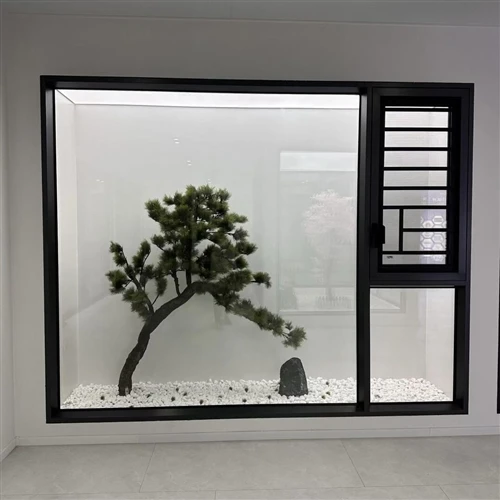
Can glass windows be painted? This is a question that many homeowners, architects, and designers often ponder. As a supplier of glass windows, I've encountered this query numerous times, and I'm here to shed some light on the matter.
The Feasibility of Painting Glass Windows
The short answer is yes, glass windows can be painted. However, there are several factors to consider before embarking on this project. The type of glass, the purpose of the painting, and the environment in which the windows are located all play crucial roles in determining the success of the painting process.
Types of Glass
There are various types of glass used in windows, each with its own characteristics. For instance, Low-Emissivity Glass Windows are designed to reduce heat transfer and improve energy efficiency. Painting these windows may compromise their performance, as the paint can interfere with the low-emissivity coating. On the other hand, Tempered Glass Windows are stronger and more resistant to breakage. They can generally withstand the painting process better, but it's still important to use the right type of paint to ensure adhesion.
Purpose of Painting
The reason for painting glass windows can vary widely. Some people paint their windows for aesthetic purposes, such as creating a decorative pattern or changing the color of the glass. Others may paint windows for privacy reasons, to block out light, or to protect the interior from UV rays. The purpose will influence the type of paint and the application method. For example, if privacy is the goal, a opaque or frosted paint may be used. If it's for decoration, a clear or translucent paint with a unique finish might be more appropriate.
Environmental Factors
The environment in which the windows are located is also a significant consideration. Windows exposed to harsh weather conditions, such as extreme temperatures, high humidity, or strong sunlight, require a paint that can withstand these elements. Outdoor windows may need a paint that is weatherproof and fade-resistant, while indoor windows may have more flexibility in terms of paint selection.
Choosing the Right Paint
Selecting the appropriate paint for glass windows is crucial for achieving a long-lasting and professional-looking result. Here are some types of paint commonly used for glass:
Acrylic Enamel Paint
Acrylic enamel paint is a popular choice for painting glass windows. It adheres well to glass surfaces, provides a durable finish, and is available in a wide range of colors. This type of paint is also relatively easy to apply and dries quickly. It can be used for both indoor and outdoor windows, but it's important to choose a paint that is specifically formulated for glass to ensure optimal adhesion.
Glass Paint Markers
Glass paint markers are a convenient option for creating detailed designs or adding small accents to glass windows. They come in various colors and tip sizes, allowing for precise application. These markers are often used for decorative purposes, such as creating stenciled patterns or writing on glass. However, they may not provide the same level of durability as other types of paint, especially for larger areas.
Spray Paint
Spray paint can be a quick and efficient way to paint glass windows, especially for covering large surfaces. It provides an even coat and can create a smooth finish. When using spray paint on glass, it's important to choose a paint that is designed for glass and to follow the manufacturer's instructions carefully. This includes proper surface preparation, application technique, and drying time.
Preparing the Glass Surface
Proper surface preparation is essential for ensuring that the paint adheres well to the glass. Here are the steps to prepare the glass surface before painting:
Cleaning
The first step is to clean the glass thoroughly to remove any dirt, dust, grease, or fingerprints. Use a glass cleaner and a lint-free cloth to wipe the surface clean. For stubborn stains, you may need to use a mild abrasive cleaner. Rinse the glass with water and dry it completely before proceeding.
Sanding
Sanding the glass surface can help the paint adhere better. Use a fine-grit sandpaper (around 220-grit) to lightly sand the glass in a circular motion. This will create a rough surface for the paint to grip onto. After sanding, wipe the glass with a clean cloth to remove any dust.
Priming
In some cases, priming the glass surface can improve the adhesion of the paint. There are special primers available for glass that are designed to create a bonding layer between the glass and the paint. Follow the manufacturer's instructions for applying the primer, and allow it to dry completely before painting.
Applying the Paint
Once the glass surface is prepared, it's time to apply the paint. Here are some tips for applying paint to glass windows:


Use a Brush or Roller
For small areas or detailed work, a brush is the best tool for applying paint. Choose a brush with fine bristles to ensure a smooth and even application. For larger areas, a roller can be used to cover the glass more quickly. Make sure to use a roller with a short nap to avoid leaving streaks or bubbles.
Apply Thin Coats
It's better to apply multiple thin coats of paint rather than one thick coat. This allows the paint to dry properly and reduces the risk of drips, runs, or uneven coverage. Let each coat dry completely before applying the next one. The number of coats required will depend on the type of paint and the desired finish.
Allow Sufficient Drying Time
Drying time can vary depending on the type of paint, the temperature, and the humidity. It's important to follow the manufacturer's instructions regarding drying time. Avoid touching or disturbing the painted surface until it is completely dry to prevent smudging or damage.
Curing and Maintenance
After the paint has dried, it may need to cure for a certain period of time to reach its full durability. This curing process can take anywhere from a few days to a few weeks, depending on the type of paint. During this time, it's important to avoid cleaning or scratching the painted surface.
Once the paint has cured, regular maintenance is required to keep the painted glass windows looking their best. Use a mild glass cleaner and a soft cloth to clean the windows. Avoid using abrasive cleaners or scrubbers that could damage the paint. If the paint starts to show signs of wear or damage, it may be necessary to touch up the affected areas.
Conclusion
In conclusion, glass windows can be painted, but it requires careful consideration of various factors, including the type of glass, the purpose of painting, the environment, and the choice of paint. By choosing the right paint, preparing the glass surface properly, and following the correct application and maintenance procedures, you can achieve a beautiful and long-lasting result.
If you're interested in purchasing high-quality glass windows or have any questions about painting glass windows, I encourage you to contact us for a consultation. Our team of experts is ready to assist you in finding the best solutions for your needs.
References
- "Painting Glass Windows: A Comprehensive Guide." Home Improvement Magazine.
- "Choosing the Right Paint for Glass Surfaces." Paint Manufacturer's Handbook.
- "Surface Preparation for Painting Glass." DIY Home Improvement Manual.