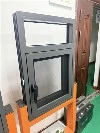
Energy efficiency is increasingly becoming a tangible procurement consideration in Ukraine's housing reconstruction efforts. For contractors and wholesalers, this means the criteria for evaluating window products have shifted. Old habits-such as basing purchasing decisions primarily on frame material and unit price-are no longer sufficient; today, buyers must comprehensively evaluate factors including heat transfer coefficients (U-values), glazing configurations, airtightness, installation quality, certifications, and long-term heating efficiency.
The reason is clear: windows are a critical component of the building envelope. Replacing damaged or poor-performing windows with low-specification products may leave heating costs high and fail to improve living comfort. Conversely, a well-planned replacement strategy using high-quality windows can enhance comfort, reduce heat loss, and contribute to superior reconstruction outcomes.
The International Energy Agency (IEA) has repeatedly emphasized the vital importance of energy efficiency for Ukraine's existing building stock and post-disaster reconstruction. Window replacement is one of the most visible aspects of upgrading the building envelope-a fact particularly evident in restoration projects involving damaged homes, apartment blocks, schools, and public buildings.
Furthermore, Ukraine experiences significant climatic diversity. The northern and western regions are wetter and more forested, with colder winters, while the central and eastern regions feature a more continental climate, characterized by hotter, drier summers. These unique geographical and climatic conditions necessitate high standards for thermal insulation in windows to withstand both long, cold winters and high summer temperatures.

Why U-Value Matters
The U-value measures how much heat passes through a building element. A lower U-value generally means better thermal insulation. For windows, the final result depends on the whole unit, not only the glass. Frame design, profile chambers, thermal breaks, glass type, spacer, gas filling, gasket quality and installation all affect performance.
Contractors should ask whether the supplier is quoting glass U-value or whole-window U-value. These are not the same. A glass unit can look strong on paper, but the full window may perform differently once the frame, sash and installation interface are included.
For procurement teams, this detail matters because two quotations may use the same words, such as "energy-saving window" or "double glazing," while offering different actual performance. A clear datasheet makes comparison easier.

Double vs Triple Glazing
Double glazing can be suitable for many renovation projects when the budget, climate target and frame system are aligned. Triple glazing may be considered for colder regions, higher performance targets or projects where energy efficiency is a major funding or approval requirement.
However, triple glazing is not automatically the best choice for every project. It can increase glass weight, hardware load, frame requirements, production cost and installation complexity. Contractors should compare total project value, not only the number of glass panes.
Good supplier questions include:
- What is the whole-window U-value?
- Is the glass Low-E?
- Is argon or another gas filling used?
- What spacer is used?
- Can the frame and hardware support the glass weight?
- Are test reports or performance declarations available?

PVC vs Aluminium Thermal Performance
PVC windows are often reviewed for residential housing recovery because multi-chamber profiles can deliver strong thermal performance at a controlled cost. For apartment blocks and standard residential openings, PVC can be a practical option when the supplier can provide stable quality and batch delivery.
Aluminium windows are often selected for public buildings, commercial projects, larger openings and facade-related work. For energy-focused projects, contractors should pay close attention to whether the aluminium system uses a thermal break. Non-thermal aluminium systems may be unsuitable for cold-climate exterior applications unless the project has a very specific use case.
The best choice depends on the building type. A small apartment renovation, a school facade and a hospital entrance may require different window systems.


Installation Quality Can Decide the Result
Even a good window can perform badly if it is installed poorly. Air leakage, water ingress and thermal bridging around the opening can reduce the benefit of an energy-efficient product.
Contractors should make sure the installation detail matches the wall structure, insulation layer, sill design and sealing method. For large projects, the supplier should provide installation guidance, drawings or interface recommendations. If the supplier is exporting only the product, the local contractor still needs a clear site installation plan.
Wholesalers can also add value by packaging products with installation consumables, profiles, sealants, anchors and clear instructions. This is especially useful when supplying many local installers in different regions.
How Contractors Can Compare Supplier Quotes
A strong energy-efficient window quote should include more than unit price. It should show frame system, glass build-up, whole-window performance if available, hardware brand or class, color, opening type, packaging method, lead time, certificate availability and warranty.
Contractors should avoid vague quotes that say only "PVC window, double glass" without dimensions, performance data or accessories. Reconstruction projects need fewer surprises, not more.
For Ukraine housing recovery, a useful supplier is one that can help the buyer match cost, thermal performance and delivery reliability. That is the practical meaning of energy-efficient procurement.
CTA: Project buyers can send opening sizes and target U-value to SGL with quantities, city, preferred frame material and certificate requirements to request a detailed quotation.

Related SGL Pages
- Energy-efficient aluminum windows for Ukraine renovation
- Thermal performance standards and window U-value guide
- Aluminum windows
- Thermal break aluminum windows
- Ukraine aluminum windows and doors hub
FAQ for Contractors and Wholesalers
Are double or triple glazed windows better for Ukraine housing recovery?
Double glazing can work for many budget-sensitive repair projects, while triple glazing may suit colder regions or higher energy-performance targets. Contractors should compare whole-window U-value, glass weight, hardware load and project budget before deciding.
What U-value should contractors ask for?
The required U-value depends on the project specification, local requirements and funding criteria. Buyers should ask suppliers whether the quoted value is glass-only or whole-window performance and request supporting documents when performance is part of the tender.