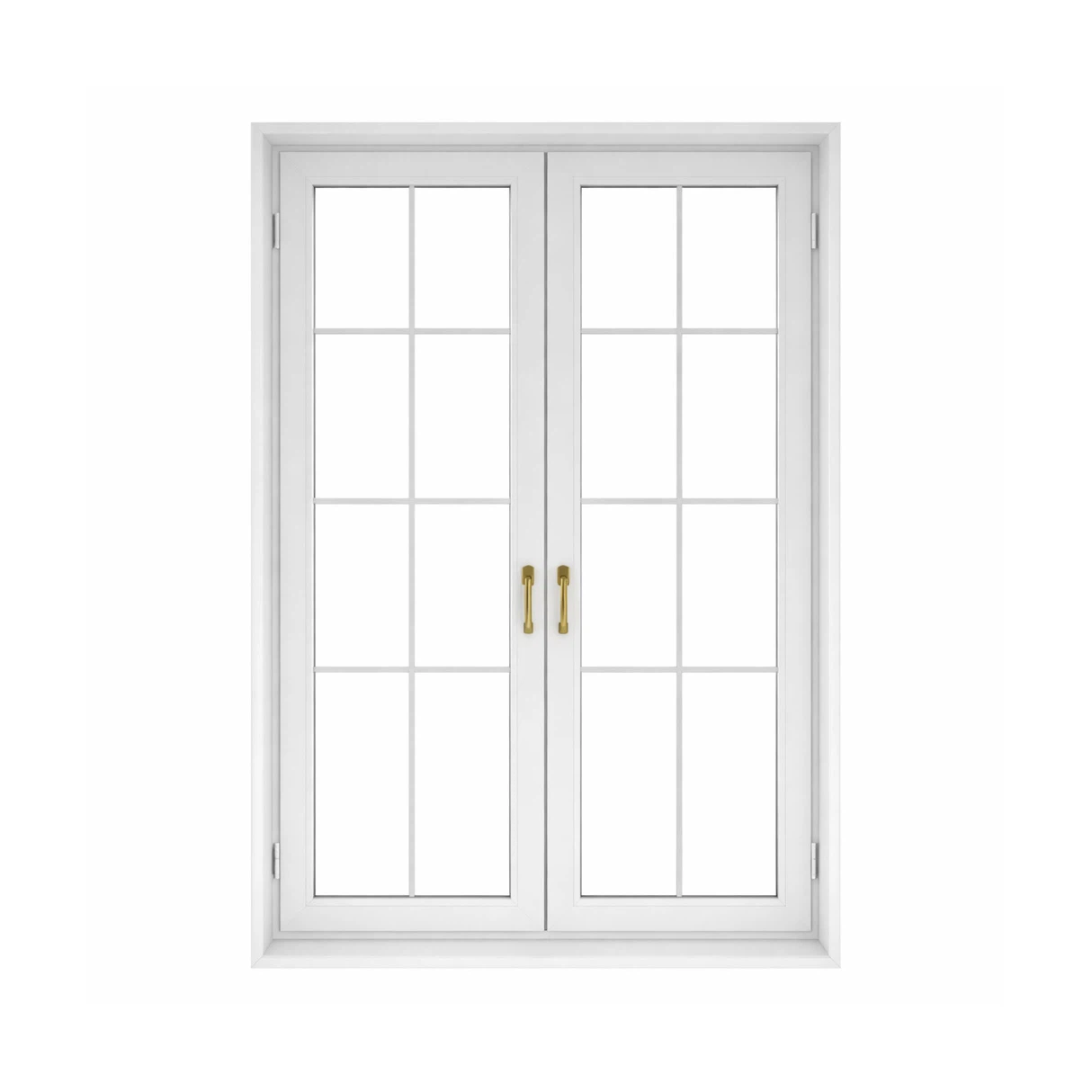
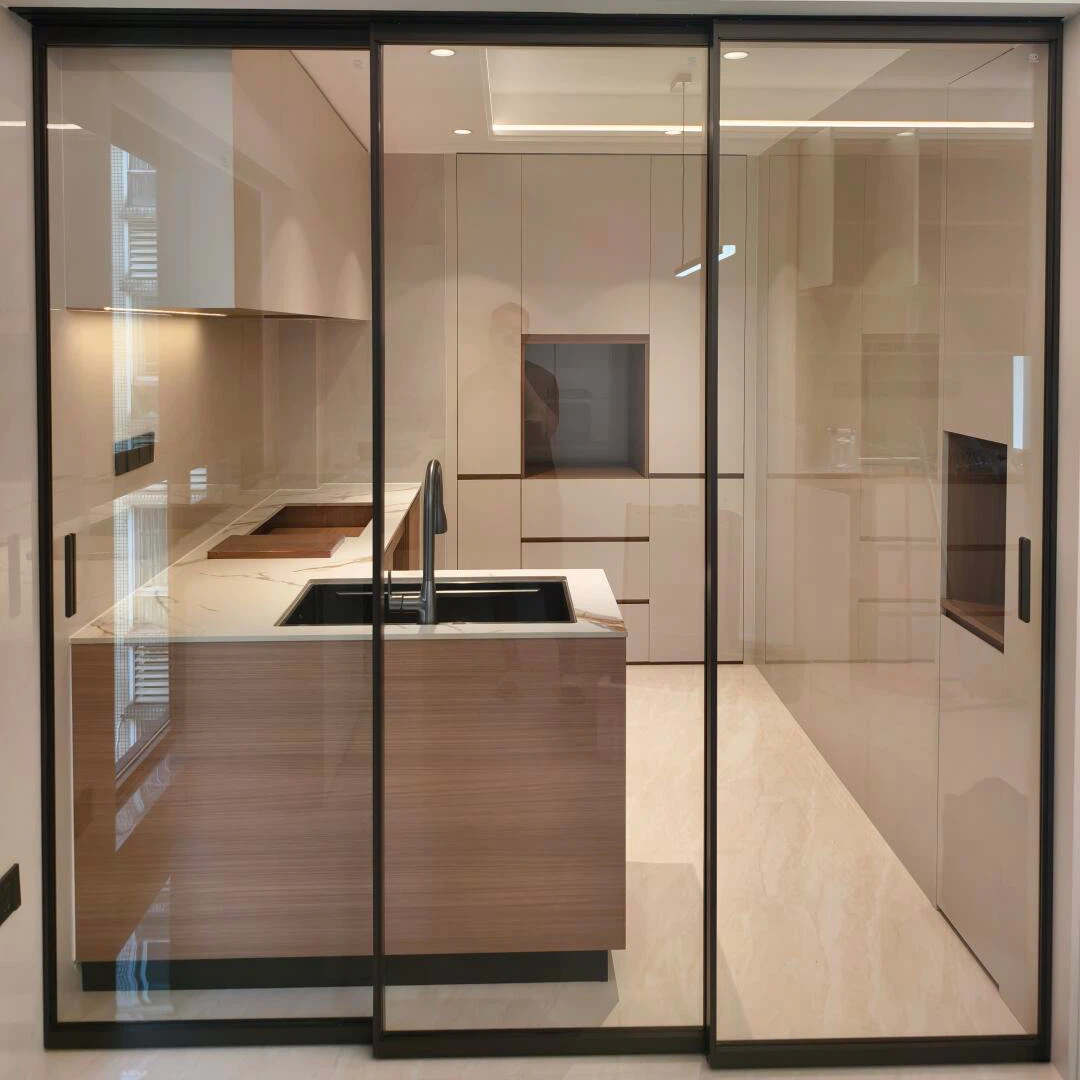
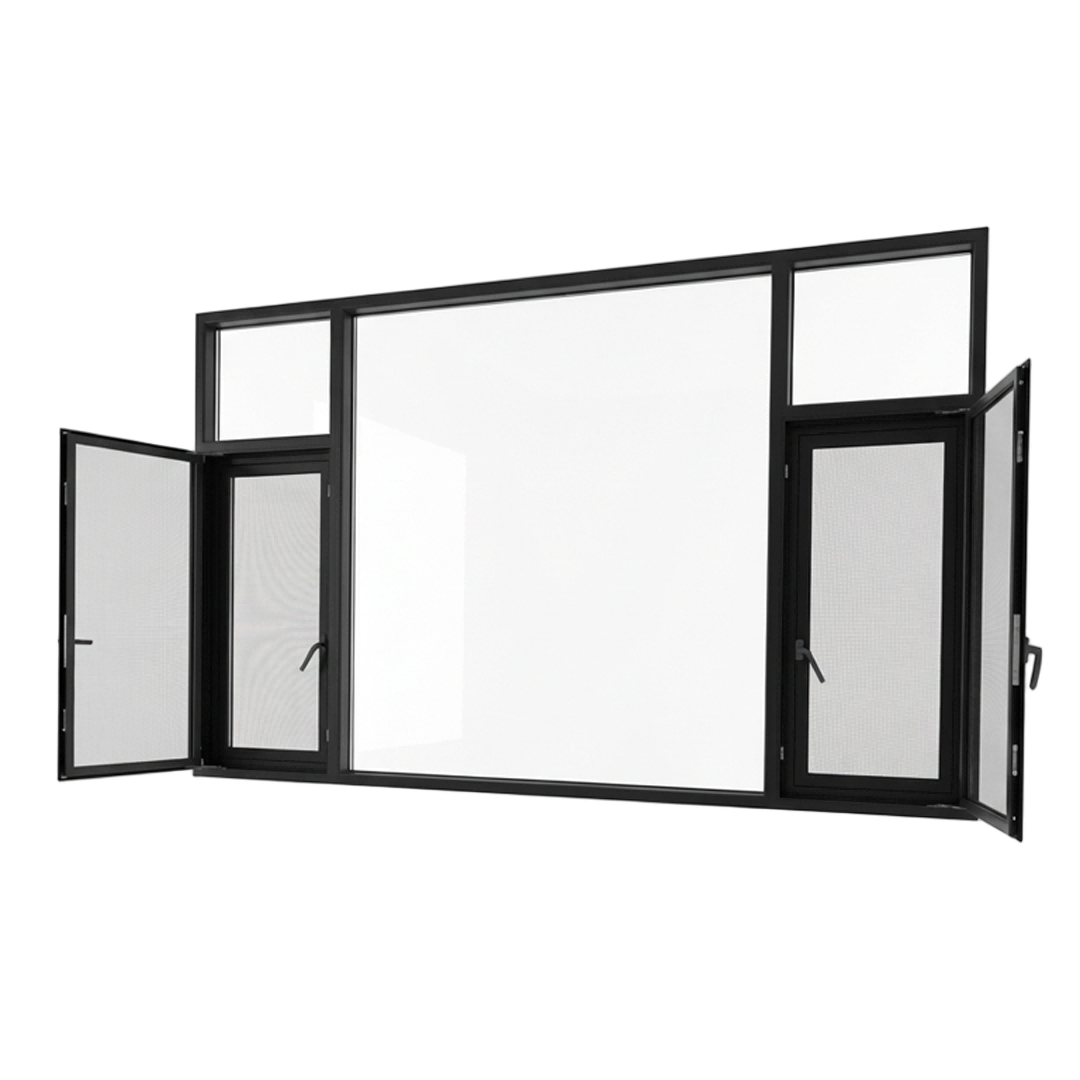
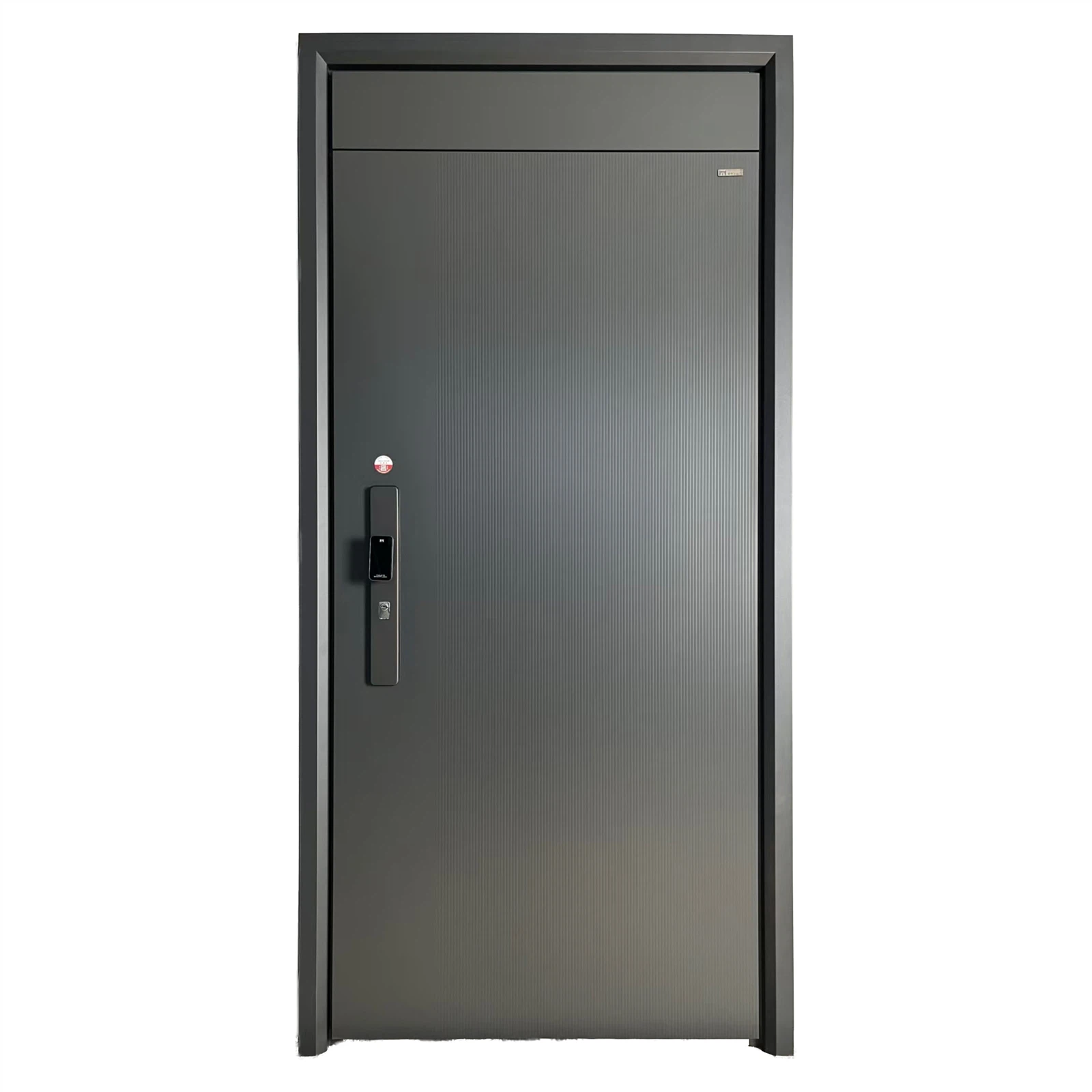
As the global fenestration industry navigates the dual pressures of tightening energy codes and rising demand for security-certified products, SGL's technical director and export leadership team sat down with our editorial team to share their perspective on where the market is heading - and what it means for architects, developers, and procurement managers planning projects in 2026 and beyond.

Part I: The Market Landscape
Q: How would you characterize the global window and door market in 2026?
A: It's a market in transition on two fronts simultaneously. The first is regulatory - energy efficiency codes are getting meaningfully stricter in virtually every major construction market, and that's forcing a real upgrade cycle away from older thermally unbroken aluminum and basic PVC systems toward thermally broken aluminum, triple glazing, and increasingly, Passive House-grade products.
The second transition is security. Five years ago, security certification (EN 1627, UL 752) was a requirement confined to banks, embassies, and government buildings. Today we're seeing RC3 specified in upscale residential developments, corporate offices, schools - anywhere the developer wants to differentiate on safety or where local insurance requirements are tightening. That's a structural shift in demand, not a trend.
Q: The fenestration market was valued at around $280 billion globally in 2024. Where is the growth coming from?
A: The headline number is less interesting than the composition. The volume growth - the sheer number of window units - is coming from developing markets: Southeast Asia, Central Asia, Africa, parts of South America. Population growth, urbanization, and middle-class formation are driving apartment construction at scale.
But the value growth - the segment that's expanding fastest in dollar terms - is in specification-grade products in Europe, the Middle East, and increasingly North America. These are the 800–800–2,000 per unit market segments where architects specify thermally broken curtain wall, RC3+ security doors, slim-line steel for heritage restoration. That's where the margin expansion is happening.
Q: Central Asia seems to be emerging as a significant market. What's driving that?
A: Several things are converging. First, you have sustained infrastructure investment in Kazakhstan, Uzbekistan, and Azerbaijan - large residential complexes, mixed-use commercial, hospitality development. Second, these markets are increasingly aligning their building codes with European standards rather than Russian/Soviet legacy codes. That creates demand for EN-certified products. Third, there's a growing affluent professional class that wants European-standard quality in their homes and workplaces.
We've seen our Central Asia order volume grow 68% over the past two years. The procurement managers we work with in Almaty, Tashkent, and Baku are asking exactly the same questions as our European clients - EN 1627 class, U-value compliance, warranty terms, whether we have local installation support. The sophistication of the market has jumped significantly.
Part II: Technical & Regulatory Trends
Q: What is the biggest technical development affecting product specification in 2026?
A: The pressure on thermal performance has really intensified. The EU's EPBD (Energy Performance of Buildings Directive) recast, which is being transposed into national law across EU member states through 2026–2028, is driving maximum U-values down to levels that many standard thermally broken aluminum systems can't meet without triple glazing.
Specifically, the trend is toward maximum whole-window Uw values of 0.8–1.0 W/m²K for new residential in Northern Europe, and 1.1–1.3 W/m²K for commercial. A standard double-glazed thermally broken aluminum system sits around 1.4–1.8 W/m²K. That's a significant gap - and it's driving real demand for triple-glazed aluminum systems and for Passive House-certified products.
Q: How is the security door certification landscape evolving?
A: Two dynamics. First, specification is moving upmarket - what was RC2 is increasingly RC3, what was RC3 is now sometimes RC4 in high-security commercial. The driver is partly awareness (architects and developers better understand what the classifications mean), partly insurance (commercial property insurers are increasingly incentivizing or requiring RC3+ in certain building types), and partly real-world events driving institutional caution.
Second, the number of buyers who know how to verify certification is growing. Five years ago, a supplier could claim "meets EN 1627 standards" on a brochure and buyers would accept it. Now procurement managers are asking for the actual ift Rosenheim or Intertek test report - the PDF with the test date, the exact product tested, the certificate number. That's good for manufacturers who actually certify their products properly and bad for those who've been coasting on marketing claims.
Q: What about sustainability - is that a real purchasing driver or still largely aspirational?
A: It's becoming real in the market segments that matter for specification-grade products. BREEAM Excellent and LEED Gold/Platinum are increasingly the standard for Grade-A commercial development in Europe and the Middle East, not the exception. And those certifications require documented materials data - recycled content percentages, Environmental Product Declarations, CO₂ emissions data.
What's changed in the past two years is the availability of that data. Environmental Product Declarations for aluminum window systems are now available from most major European systems houses. EPD databases are expanding. That means the architects who want to specify sustainably can actually get the numbers - and the manufacturers who don't have that data are increasingly at a competitive disadvantage.
Part III: Supply Chain & Geopolitics
Q: How has the supply chain for window and door manufacturing changed post-pandemic?
A: Permanently, in some ways. Lead times are longer than pre-2020 norms and more volatile. The air freight option for urgent components (specialty glass, hardware) that existed pre-2019 at reasonable cost has effectively disappeared for most commercial projects - costs are prohibitive. So the industry has had to develop more robust project planning with longer supply chain timelines.
On the sourcing side, there's been meaningful geographic diversification by European and North American buyers. The concentration of aluminum extrusion and fabrication in China was perceived as supply chain risk through 2021–2022. Some of that volume has shifted to Turkish, Vietnamese, or Eastern European production. But - and this is important - certification quality is still highly concentrated. The manufacturers with serious EN 1627 RC4/RC5 certification from ift Rosenheim are predominantly Chinese or European. The middle-tier diversification hasn't produced equivalent quality in the security segment.
Q: How do tariff and trade policy changes affect Chinese window and door manufacturers in the European market?
A: It's a real headwind, particularly the EU's increasing scrutiny of construction materials under anti-dumping and carbon border adjustment (CBAM) mechanisms. CBAM in particular - which puts a carbon cost on imported steel and aluminum - changes the economics for steel door and aluminum window imports from China.
Our response has been to double down on the factors that tariff competition doesn't affect: technical certification quality, project management reliability, documentation completeness. A buyer choosing a Chinese manufacturer for a Warsaw or Dubai project isn't making that decision primarily on unit price anymore - they're making it because the technical documentation package, the certification from European test labs, the on-time delivery track record is competitive with European manufacturers at a price point that makes the project economics work.
Part IV: Looking Forward
Q: What are the most significant product trends you expect to define 2027–2028?
A: Three things I'm watching closely.
Integrated smart building technology: The fenestration industry has been talking about smart windows - electrochromic glazing, integrated IoT sensors for air quality and occupancy - for years. It's finally getting traction in high-specification commercial projects. Not mainstream, but the pilot projects are real now and the cost curves are starting to move.
Ultra-slim steel renaissance: The demand for slim-line steel in loft conversions, heritage restoration, and industrial-aesthetic architecture has been stronger than most people predicted. The old steel window market was written off in the 1980s when aluminum became dominant. It's back, driven by the Crittall aesthetic and the reality that nothing else achieves 18–25mm sightlines with structural integrity and RC3 security.
Passive House at commercial scale: Passive House principles are moving from niche residential into mainstream commercial. That means specification of whole-window Uw values below 0.8 W/m²K at commercial project scale - hundreds or thousands of units - which is a very different engineering challenge than a 50-unit residential project. Manufacturers who have certified systems in that performance envelope will have a significant advantage.
Q: Final word - what's your core message for architects and developers specifying windows and doors for 2026–2027 projects?
A: Certification is the new price. In the previous market cycle, the primary competitive lever was cost per unit. In this cycle, the primary differentiator is verified performance. Can you provide the test report? Is the system certified for the thermal values you're claiming? Does the security class apply to the complete assembly or just the leaf?
Specifiers who build their procurement process around verifiable certification data - not marketing claims, not approximate equivalencies - will consistently get better outcomes: buildings that perform as designed, reduced liability exposure, and suppliers with the technical accountability to stand behind their products for the 20–30 year building lifecycle. That's where the industry is going, and the transition is already well underway.
About the Speakers
[SGL Technical Director] leads SGL's product development and certification programs. With 18 years in the fenestration industry, he has overseen SGL's certification journey from early CE marking to the current EN 1627 RC5 and EN 1522 FB4 portfolio.
[SGL Export Director] manages SGL's international sales and project delivery across 38 countries. Previously with Schüco International and a European curtain wall contractor, she brings a dual perspective from both the systems house and contracting sides of the market.
Industry Data References
- Global fenestration market sizing: Grand View Research, Fenestration Market Analysis 2026
- EU EPBD recast transposition timeline: European Commission, 2025
- EN 1627 certification adoption trends: ift Rosenheim Annual Report 2025
- Central Asia construction investment: EBRD Regional Economic Outlook Q1 2026
- BREEAM certification statistics: BRE Group, 2025 Certification Data
Related Articles: Steel Door Market Growth Analysis 2026 | Thermal Performance Standards Explained | PVC vs Aluminum vs Steel Guide
Products: SGL Aluminum Curtain Wall | SGL Steel Security Doors | Request Project Consultation
our Products