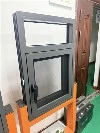
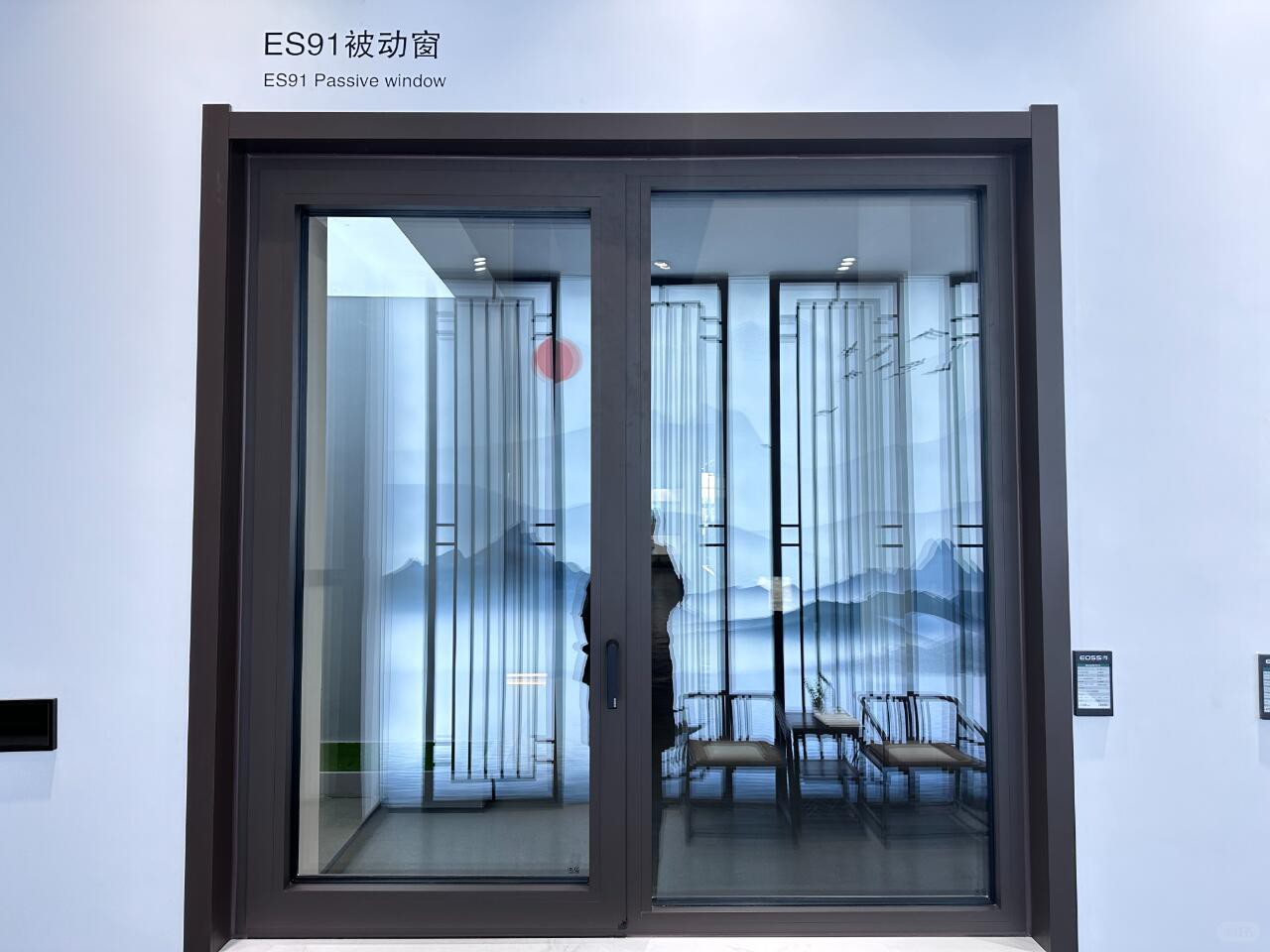
The assumption that aluminum windows cannot meet Passive House standards is outdated. While early metal-framed systems were rightly criticized for thermal bridging, modern thermally broken aluminum windows with advanced polyamide inserts, warm-edge spacers, and precision installation detailing now achieve U-values and airtightness levels that satisfy both Passivhaus Institut (PHI) certification and the more stringent EnerPHit retrofit standard.
For architects and energy consultants specifying high-performance envelopes in 2026, aluminum offers advantages that PVC and timber struggle to match: slimmer sightlines, larger sash sizes, structural durability, and design flexibility. The question is not whether aluminum belongs in Passive House projects, but which aluminum system and which installation details get you across the certification line.
This guide explains the PHI criteria, the aluminum-specific engineering solutions, and the specification checklist that separates a compliant window from a failed blower-door test.
Need PHI-Certified Windows for Your Project? Request U-value calculations and PHI component data for SGL's thermally broken aluminum range.
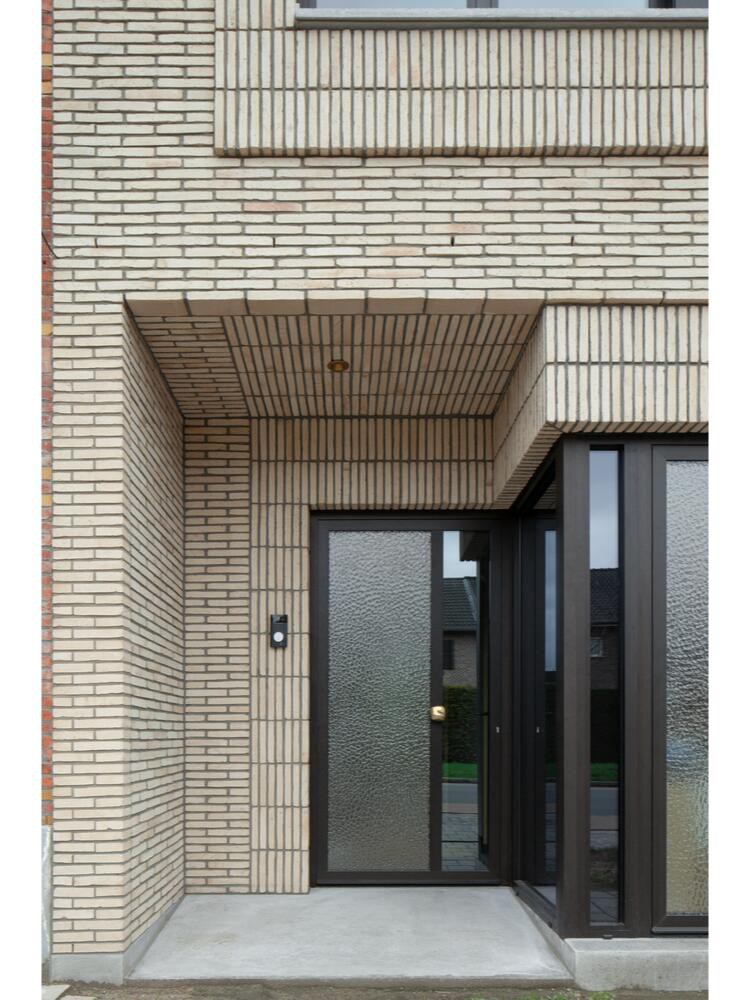
What Passive House Actually Requires from Windows
Passive House is a performance standard, not a materials prescription. The window must hit numerical targets-regardless of frame material. The two non-negotiable metrics are:
1. Whole-Window U-Value (Uw)
| Standard | Climate Zone | Max Uw (W/m²K) | Max Uw (Imperial) |
|---|---|---|---|
| PHI Classic (new build) | Cool-temperate | 0.80 | 0.14 BTU/hr·ft²·°F |
| PHI Classic (new build) | Warm-temperate | 0.85 | 0.15 BTU/hr·ft²·°F |
| EnerPHit (retrofit) | All | 1.00 | 0.18 BTU/hr·ft²·°F |
| PHI Low Energy Building | All | 1.10 | 0.19 BTU/hr·ft²·°F |
Uw is the combined thermal transmittance of the glass, frame, and edge spacer. For aluminum windows, the frame Uf (frame-only) and Psi-value (linear thermal transmittance at the glass edge) are the critical variables.
2. Airtightness
Passive House requires building envelope airtightness of n50 ≤ 0.6 ACH (air changes per hour at 50 Pa). Windows are a major leakage path. PHI-certified windows must demonstrate:
- q-value ≤ 0.05 m³/m·h·Pa at 100 Pa (window-specific air permeability)
- Or be installed with tape-and-membrane systems that achieve continuity with the wall airtightness layer
Additional PHI Criteria
| Parameter | Requirement | Why It Matters |
|---|---|---|
| G-value (solar heat gain) | 0.35–0.60 depending on climate | Balances winter solar gains vs. summer overheating |
| Temperature factor (fRsi) | ≥ 0.73 at frame edge | Prevents surface condensation and mould risk |
| Durability | 25-year service life | Seals, gaskets, and thermal breaks must not degrade |
Why Aluminum? The Case for Metal Frames in High-Performance Buildings
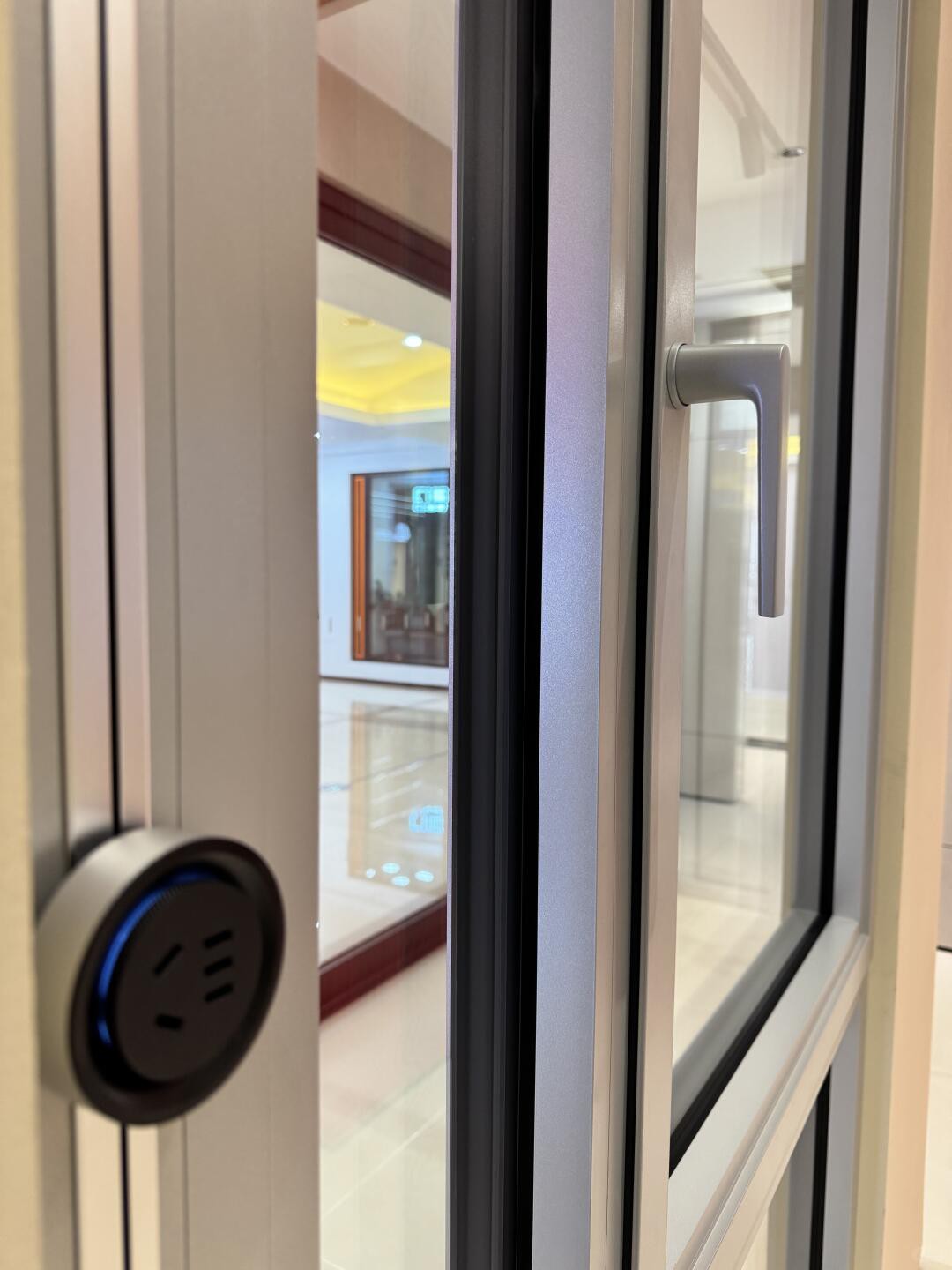
Skepticism toward aluminum in Passive House circles stems from first-generation systems with no thermal break and Uf values exceeding 3.0 W/m²K. Modern systems are unrecognizable. Here is why specifiers increasingly choose aluminum for certified projects:
1. Slimmer Sightlines = More Daylight, Less Heating Load
Aluminum frames with advanced thermal breaks achieve Uf values of 0.9–1.3 W/m²K at sightlines of 60–75 mm. To match that performance, PVC frames typically require 80–100 mm face widths. The reduced frame area increases the glass-to-frame ratio, which improves both daylight autonomy and solar heat gains.
2. Larger Sash Sizes = Fewer Frames = Lower Overall Uw
A single large window with minimal frame perimeter almost always outperforms multiple smaller windows with the same total glass area. Aluminum's structural strength allows sash sizes up to 3,000 × 2,500 mm-reducing the number of frames, joints, and potential air-leakage paths.
3. Durability in Extreme Climates
Aluminum does not absorb moisture, rot, or warp. In climates with wide temperature swings (Central Asian steppes, North American prairies, Scandinavian winters), aluminum frames maintain dimensional stability that prevents seal fatigue and air-leakage drift over time.
4. End-of-Life Recyclability
Aluminum is 100% recyclable without quality loss. PHI's Whole Life Carbon assessment increasingly rewards materials with closed-loop potential. PVC recycling infrastructure remains fragmented by comparison.
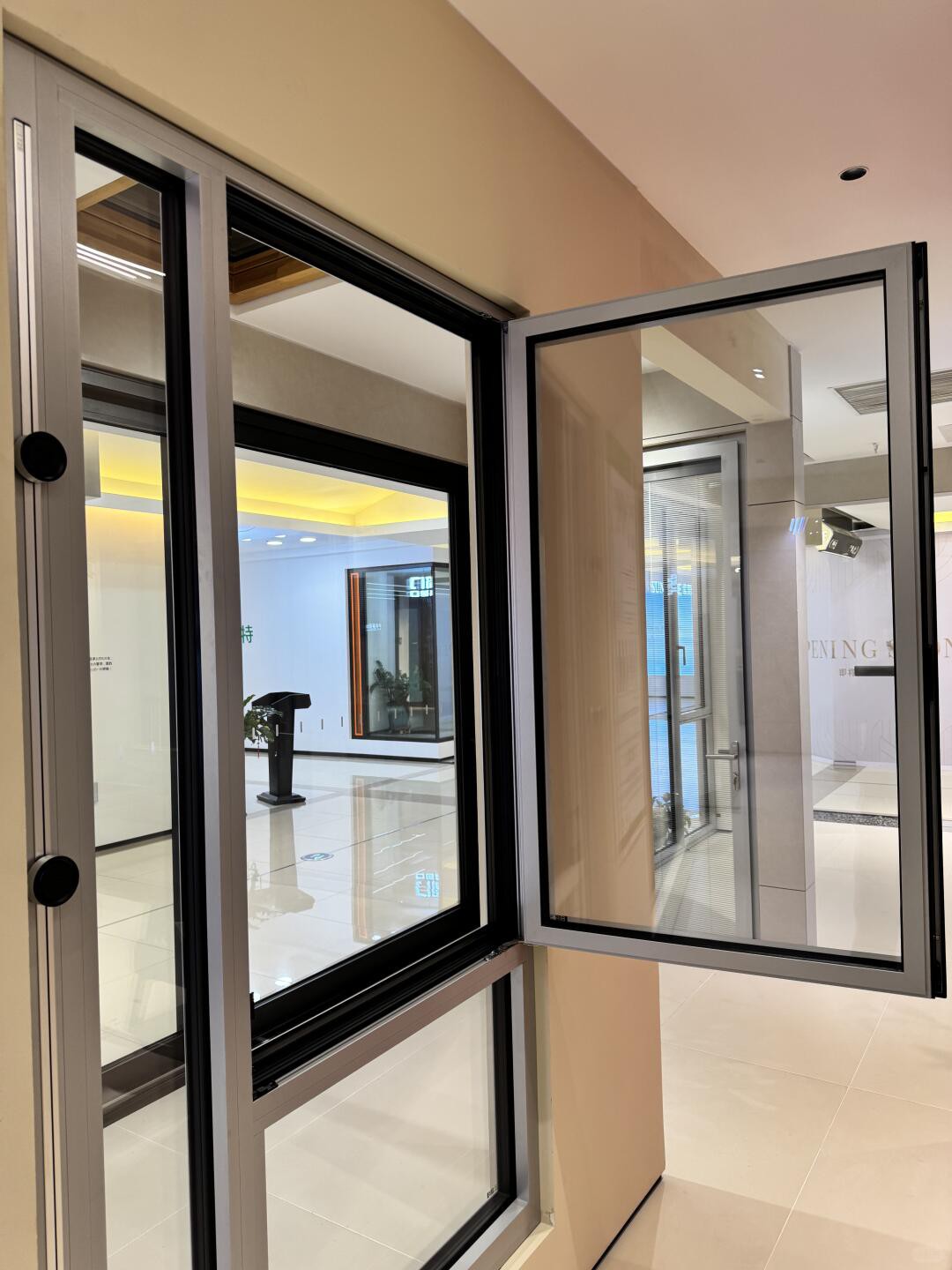
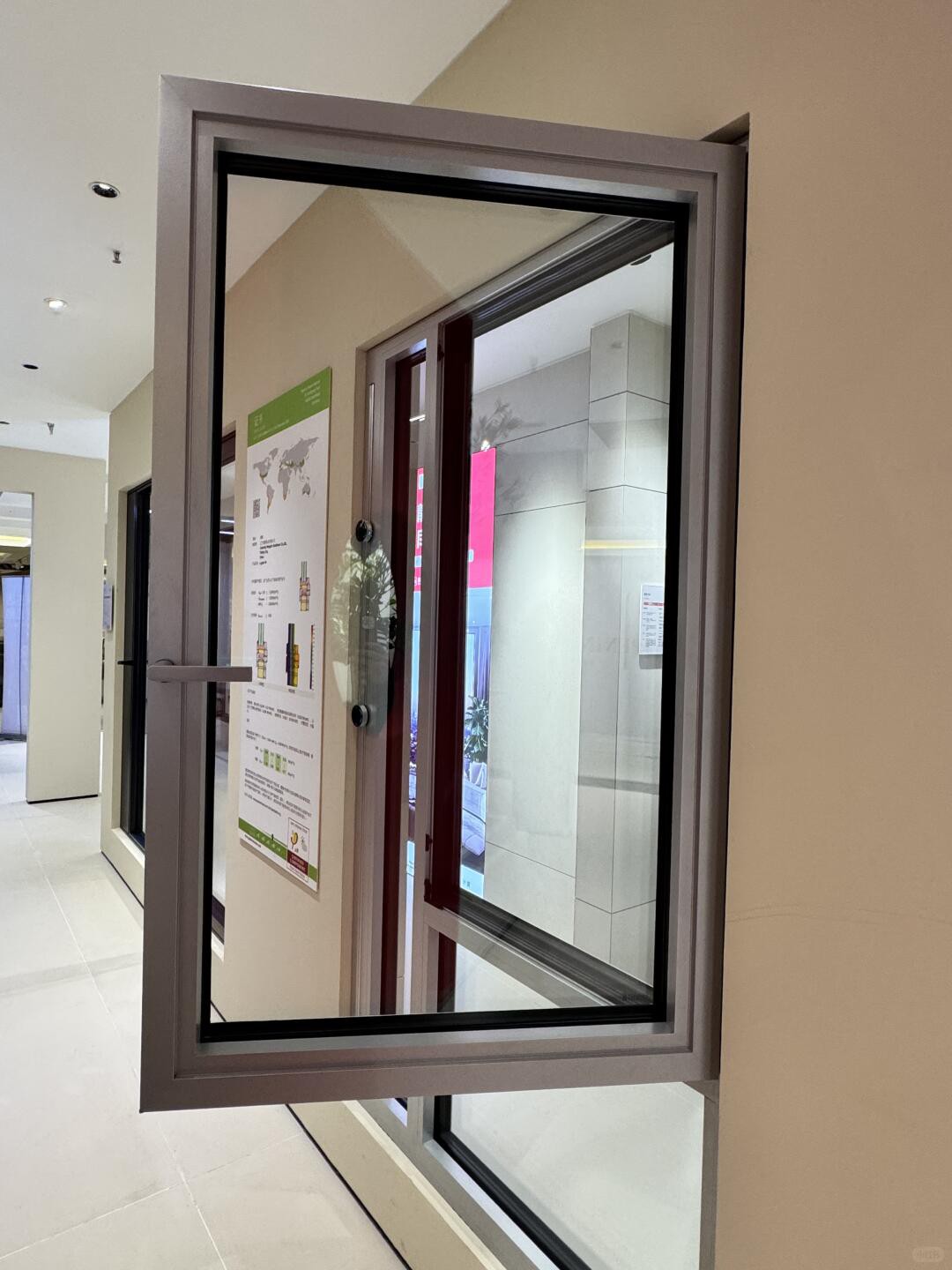
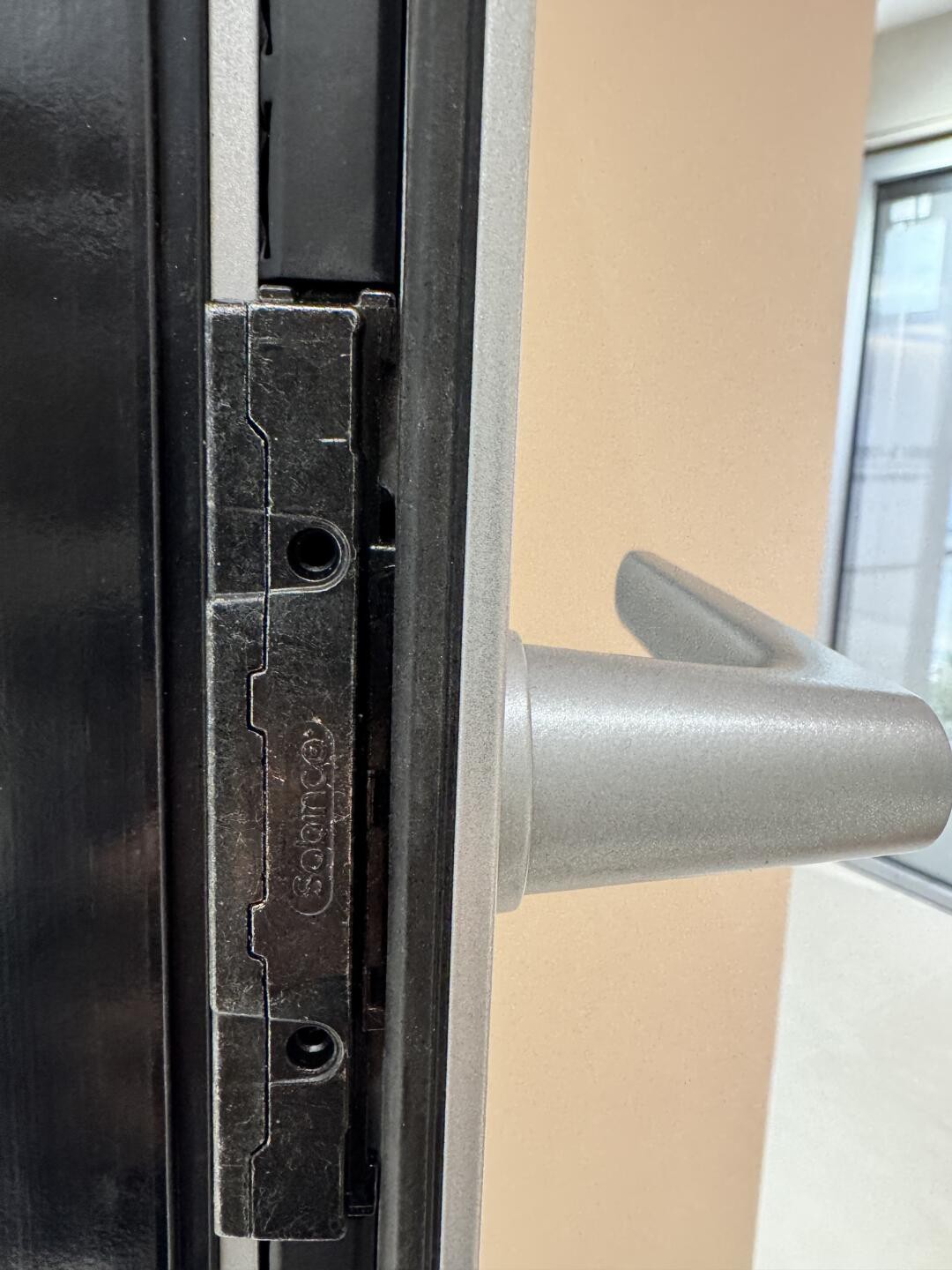
The Aluminum-Specific Engineering: From Thermal Bridge to Thermal Performer
Thermal Break Evolution
| Generation | Break Material | Width | Typical Uf (W/m²K) | Era |
|---|---|---|---|---|
| 1st gen | None (solid aluminum) | 0 mm | 3.5–5.0 | Pre-1980s |
| 2nd gen | PA66 polyamide strip | 14–18 mm | 2.2–2.8 | 1980s–2000s |
| 3rd gen | PA66 GF25 multi-cavity | 24–34 mm | 1.4–1.8 | 2000s–2015 |
| 4th gen | PA66 + aerogel / foam | 34–42 mm | 0.9–1.3 | 2015–present |
| 5th gen | Isolator + resin composite | 40–50 mm | 0.75–1.0 | Emerging |
SGL's Passive House aluminum window range uses 4th-generation thermal breaks: 42 mm polyamide strips with aerogel inserts and multi-chamber geometry. This achieves a frame Uf of 0.95 W/m²K-low enough to combine with high-performance triple glazing and hit Uw ≤ 0.80.
Warm-Edge Spacers: The Forgotten Variable
Even with an excellent frame, the glass edge is a thermal weak point. Standard aluminum box spacers create a thermal bridge at the glazing perimeter, raising the Psi-value (Ψ) to 0.08–0.10 W/mK.
Warm-edge spacers-made of stainless steel composite, TGI, or Superspacer-reduce Ψ to 0.03–0.05 W/mK. On a 1,500 × 1,500 mm window, this difference alone changes Uw by approximately 0.08–0.12 W/m²K. For PHI certification, that margin is decisive.
SGL specifies warm-edge spacers as standard on all Passive House-targeted glazing units.
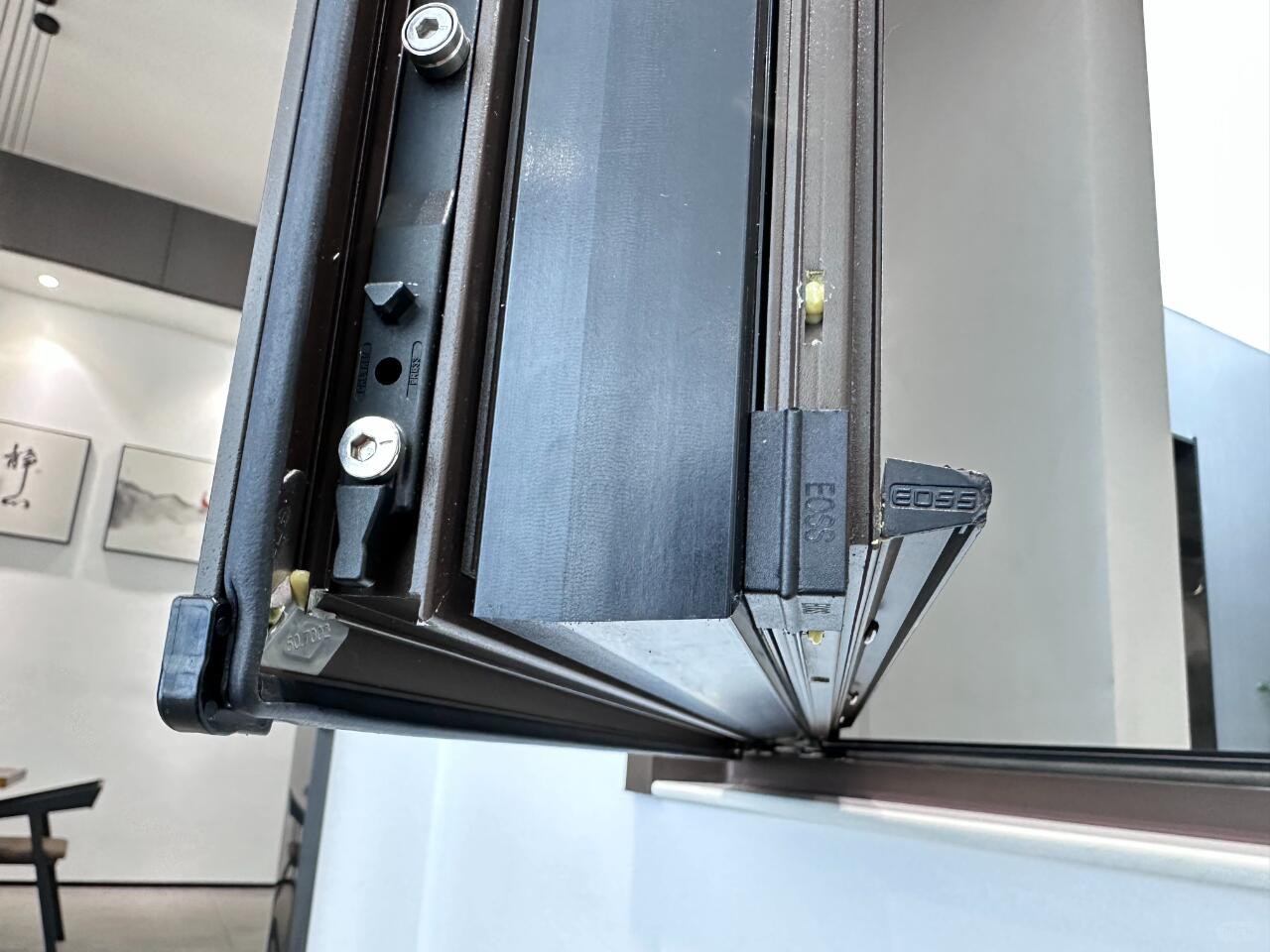
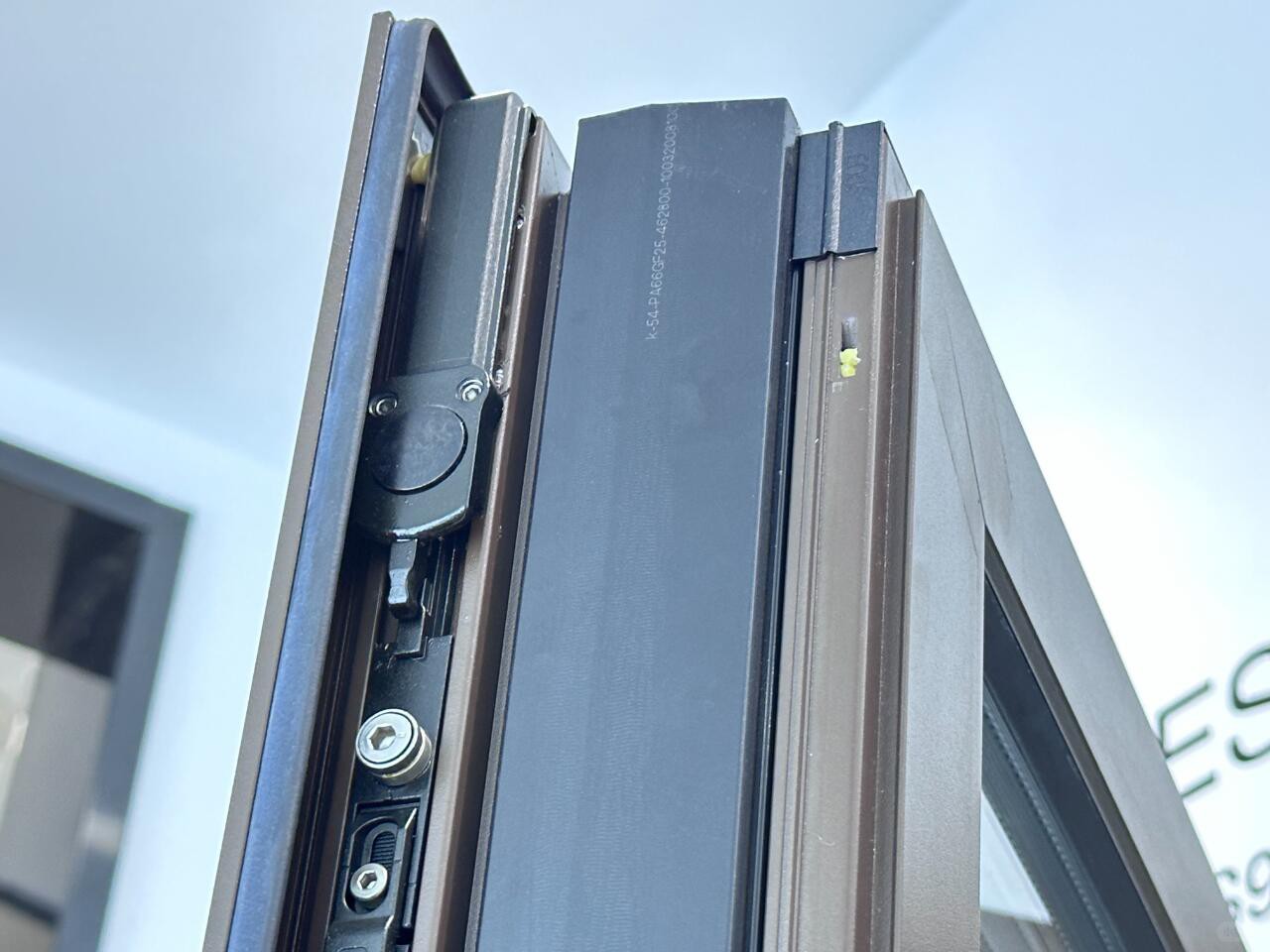
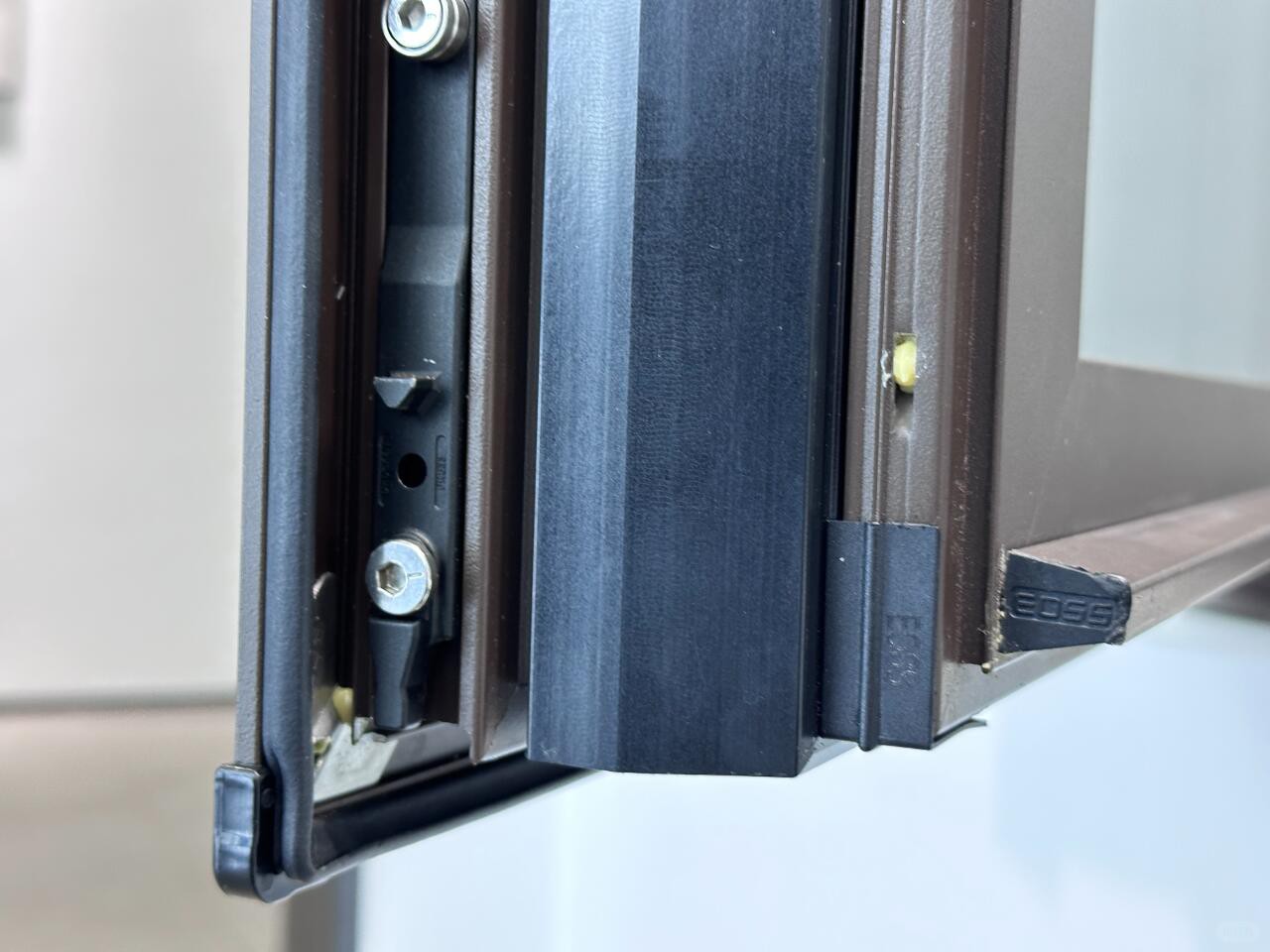
Multi-Chamber Profile Design
Beyond the thermal break itself, the frame and sash cavities are engineered to interrupt thermal convection:
- 3–5 internal chambers in both frame and sash
- Foam-filled chambers (optional) for additional insulation
- Offset drainage to prevent cold-air short-circuiting through weep holes
The Installation Detail: Where Certifications Are Won or Lost
A window with excellent component U-values can still fail Passive House if the installation creates thermal bridges or air leaks. The Psi-install (Ψ-install) value-the linear thermal transmittance of the wall-window junction-must be minimized.
Critical Installation Practices
| Detail | Correct Practice | Common Failure |
|---|---|---|
| Frame position | Set within insulation line, not flush with exterior | Thermal bridge through reveal |
| Airtight tape | Interior: Vapor-closed tape (e.g., Tescon Vana) | Missing tape, premature failure |
| Vapor control | Exterior: Vapor-open tape or membrane | Trapped moisture, rot risk |
| Thermal bracket | Use fiberglass or HDPE brackets | Aluminum or steel brackets create bridge |
| Expanding foam | Low-expansion, non-shrinking PU foam | Standard foam shrinks, air gaps form |
| Sill pan | Pre-formed sloped sill pan with back-dam | Water intrusion, seal degradation |
Target Installation Psi-Values
| Junction Detail | Target Ψ-install (W/mK) | Notes |
|---|---|---|
| Window head | ≤ 0.04 | Critical for thermal comfort |
| Window sill | ≤ 0.05 | Often highest risk due to drainage |
| Window jamb | ≤ 0.03 | Straightforward with proper taping |
SGL provides PHI-compliant installation detail drawings for masonry, timber frame, steel frame, and ICF constructions, including exact positioning of the airtightness and vapor-control layers.
Aluminum vs. PVC vs. Timber: The Passive House Material Debate
| Criterion | Aluminum (4th-gen) | PVC | Timber | Timber-Alu Clad |
|---|---|---|---|---|
| Frame Uf (best case) | 0.95 W/m²K | 0.90 W/m²K | 0.85 W/m²K | 0.90 W/m²K |
| Sightline | 60–75 mm | 80–100 mm | 80–95 mm | 85–100 mm |
| Max sash size | 3,000 × 2,500 mm | 2,400 × 2,000 mm | 2,200 × 1,800 mm | 2,400 × 2,000 mm |
| Maintenance | Minimal | Low | High (paint/stain) | Moderate |
| Recyclability | 100% | Limited | Biodegradable | Mixed |
| Structural strength | Excellent | Moderate | Good | Good |
| Fire resistance | Non-combustible | Melts/self-extinguishes | Combustible | Combustible core |
| Cost (premium PH range) | £££ | ££ | ££ | £££ |
The verdict: Aluminum is competitive on pure thermal performance and superior on structural capability, durability, and design flexibility. The cost premium over PVC is typically 15–25%, but on large commercial Passive House projects, the reduced frame count and larger glass units often offset the per-frame cost.
SGL Passive House Aluminum Window Specifications
PHI-Certified Component Range
| Parameter | SGL PH-Alu 75 | SGL PH-Alu 90 | SGL PH-Alu 120 |
|---|---|---|---|
| Frame depth | 75 mm | 90 mm | 120 mm |
| Thermal break width | 42 mm | 48 mm | 54 mm |
| Frame Uf | 1.15 W/m²K | 0.98 W/m²K | 0.88 W/m²K |
| Max sash size | 2,400 × 2,000 mm | 2,700 × 2,400 mm | 3,000 × 2,500 mm |
| Glazing capacity | 36–48 mm | 40–52 mm | 44–56 mm |
| Standard hardware | Roto NT | Siegenia Titan AF | GU Secury |
| Air permeability | Class 4 | Class 4 | Class 4 |
| Wind resistance | C4 | C5 | C5 |
| Water tightness | 7A | 9A | 9A |
Recommended Glazing Packages for PHI Certification
| Climate | Glazing | Ug (center) | Ψ (warm-edge) | Typical Uw (1.5×1.5m) |
|---|---|---|---|---|
| Cool-temperate (PHI Classic) | Triple, 2×Low-E, argon | 0.50 | 0.035 | 0.72–0.78 |
| Warm-temperate (PHI Classic) | Triple, 1×Low-E, argon | 0.60 | 0.040 | 0.78–0.84 |
| Retrofit (EnerPHit) | Triple, 2×Low-E, krypton | 0.45 | 0.030 | 0.68–0.74 |
| Extreme cold (Arctic/continental) | Triple, 2×Low-E, krypton, TGI | 0.40 | 0.025 | 0.62–0.70 |
Cost Analysis: The True Price of PHI-Certified Aluminum Windows
| Specification | Approx. Supply (per m²) | Supply + Install | Notes |
|---|---|---|---|
| Standard aluminum double | £350–£500 | £500–£700 | Non-PHI, basic thermal break |
| Aluminum triple (non-PHI) | £500–£700 | £700–£950 | Good U-value, no certification |
| PHI-certified aluminum, Classic | £750–£1,000 | £1,000–£1,350 | Full PHI component certificate |
| PHI-certified aluminum, EnerPHit | £850–£1,100 | £1,100–£1,450 | Enhanced for retrofit junctions |
| Custom size / color premium | +15–30% | +15–30% | RAL specials, anodized |
Cost tip: On multi-unit residential Passive House projects, the incremental cost of PHI-certified windows over standard triple-glazed aluminum is typically 8–12% of total envelope cost-but reduces the heating system size by 50–70%, often producing net capital savings.
Common Specification Mistakes
1. Ignoring the Psi-Value
Specifying Uf and Ug without calculating the combined Uw-including frame proportion and edge Psi-is the most common error. A window with Uf 1.0 and Ug 0.5 can still fail PHI if the Psi-value is 0.10 and the frame area is 30%.
2. Specifying the Frame Without the Installation Detail
PHI certification covers the component (window as manufactured), but the building certification depends on installation. Always specify the airtightness tape, thermal bracket, and vapor-control strategy in the same package.
3. Oversizing the G-Value in Warm Climates
In Mediterranean or Middle Eastern climates, a high G-value (solar heat gain coefficient) can cause summer overheating despite excellent U-values. PHI now requires shading strategy and peak load compliance in addition to annual heating demand.
4. Assuming All "Triple Glazing" Is Equal
Triple glazing ranges from Ug 0.90 (basic, air-filled) to Ug 0.35 (premium, krypton, suspended film). The difference changes whether a given aluminum frame can achieve Uw ≤ 0.80.
FAQ
Q: Can aluminum windows really achieve Passive House certification?
A: Yes. Modern thermally broken aluminum windows with 40+ mm polyamide breaks, warm-edge spacers, and triple glazing achieve frame Uf values of 0.88–1.15 W/m²K and whole-window Uw values as low as 0.72 W/m²K-well within PHI Classic limits. Multiple manufacturers hold PHI component certificates for aluminum systems.
Q: What U-value does a window need for Passive House?
A: For PHI Classic (new build), the whole-window Uw must be ≤ 0.80 W/m²K in cool-temperate climates and ≤ 0.85 W/m²K in warm-temperate climates. For EnerPHit (retrofit), the limit is 1.00 W/m²K.
Q: What is a thermal break in aluminum windows?
A: A thermal break is an insulating barrier-typically polyamide (PA66) or resin-that separates the interior and exterior aluminum profiles. Without it, aluminum's high conductivity would create severe thermal bridging. Modern breaks are 24–50 mm wide and may include aerogel or foam inserts.
Q: What is the difference between Passivhaus and EnerPHit?
A: Passivhaus (or PHI Classic) is the standard for new buildings, requiring Uw ≤ 0.80 and n50 ≤ 0.6 ACH. EnerPHit is the retrofit standard with relaxed limits (Uw ≤ 1.00) to accommodate existing structural constraints, but still demanding rigorous airtightness and thermal bridge minimization.
Q: Do Passive House windows need triple glazing?
A: For PHI Classic in cool-temperate climates, yes-triple glazing is effectively required to achieve Uw ≤ 0.80 with any practical frame. In warm-temperate climates, high-performance double glazing with low-E coatings and argon may occasionally suffice with an exceptional frame (Uf < 1.0).
Q: What is a warm-edge spacer and why does it matter?
A: A warm-edge spacer replaces the conductive aluminum box spacer at the glass perimeter with a low-conductivity material (stainless steel composite, TGI, or polymer). It reduces the Psi-value (linear thermal transmittance) from ~0.10 to 0.03–0.05 W/mK, improving the whole-window Uw by 0.08–0.12 W/m²K.
Q: How important is installation airtightness for Passive House?
A: Critical. A window with excellent U-values can still fail certification if installed without proper airtightness taping. The n50 ≤ 0.6 ACH building target leaves no tolerance for window-frame air leaks. Use interior vapor-closed tape, exterior vapor-open membrane, and low-expansion foam.
Q: Are aluminum windows better than PVC for Passive House?
A: Aluminum and PVC can both meet PHI standards. Aluminum offers slimmer sightlines, larger sash sizes, and superior structural durability. PVC has marginally lower frame Uf at equivalent cost but requires thicker profiles. The choice depends on design intent, climate, and budget.
Q: What is the Psi-install value?
A: Psi-install (Ψ-install) is the linear thermal transmittance of the wall-window junction. It measures heat loss at the installation detail, separate from the window itself. For PHI, target values are ≤ 0.04 W/mK at the head, ≤ 0.05 at the sill, and ≤ 0.03 at the jambs.
Q: How much do PHI-certified aluminum windows cost?
A: PHI-certified aluminum windows typically cost £750–£1,100/m² supply-only and £1,000–£1,450/m² supply-and-install. This is 15–25% more than standard triple-glazed aluminum but often enables heating system downsizing that offsets the upfront premium.
Related Articles: